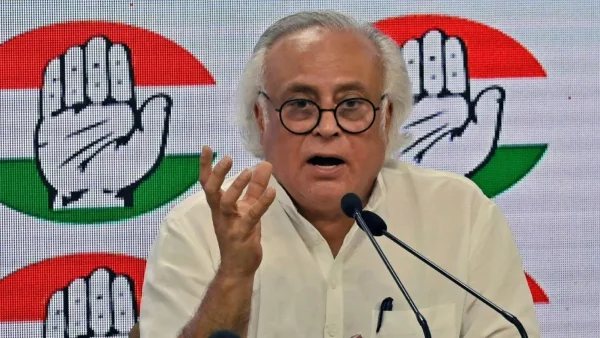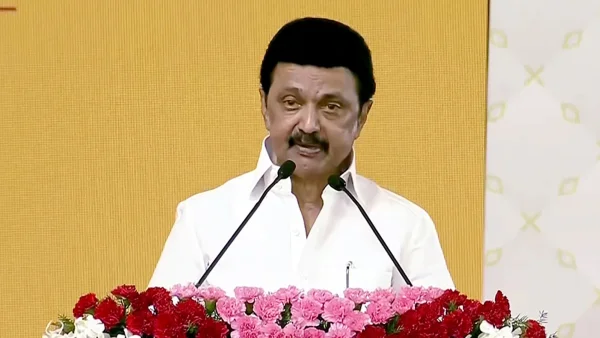
The Constitution Amendment Bill needing a two-thirds majority to pass women’s reservation didn’t get enough votes. There were 298 for and 230 against, but more were needed. MK Stalin said this result proves Tamil Nadu’s point and congratulated the people of his state. He said it is about making sure everyone has a voice, and reminded people of important leaders from the region to show how morally right Tamil Nadu is.
Stalin has always said his government wasn’t against redrawing electoral districts in general, but that the process needed to be done fairly and after discussion with states. He even visibly protested this, burning the plan for redrawing districts to emphasize Tamil Nadu’s demand for fairness and proper representation in national politics.
Parliamentary arithmetic and procedural rules
The women's reservation bill didn’t just need a majority of those present; it needed at least two-thirds of those voting, a requirement in the Constitution for certain changes. The Speaker of the Lok Sabha said the 298 to 230 vote wasn’t enough, so the bill didn’t become a law.
After the vote, a minister in the government said they won’t be dealing with two related issues right now. This leaves the main goal of guaranteeing a certain number of parliamentary seats for women, which was planned for 2029, in a difficult legal and political situation until everyone can agree again.
Broader political reactions and oppositional unity
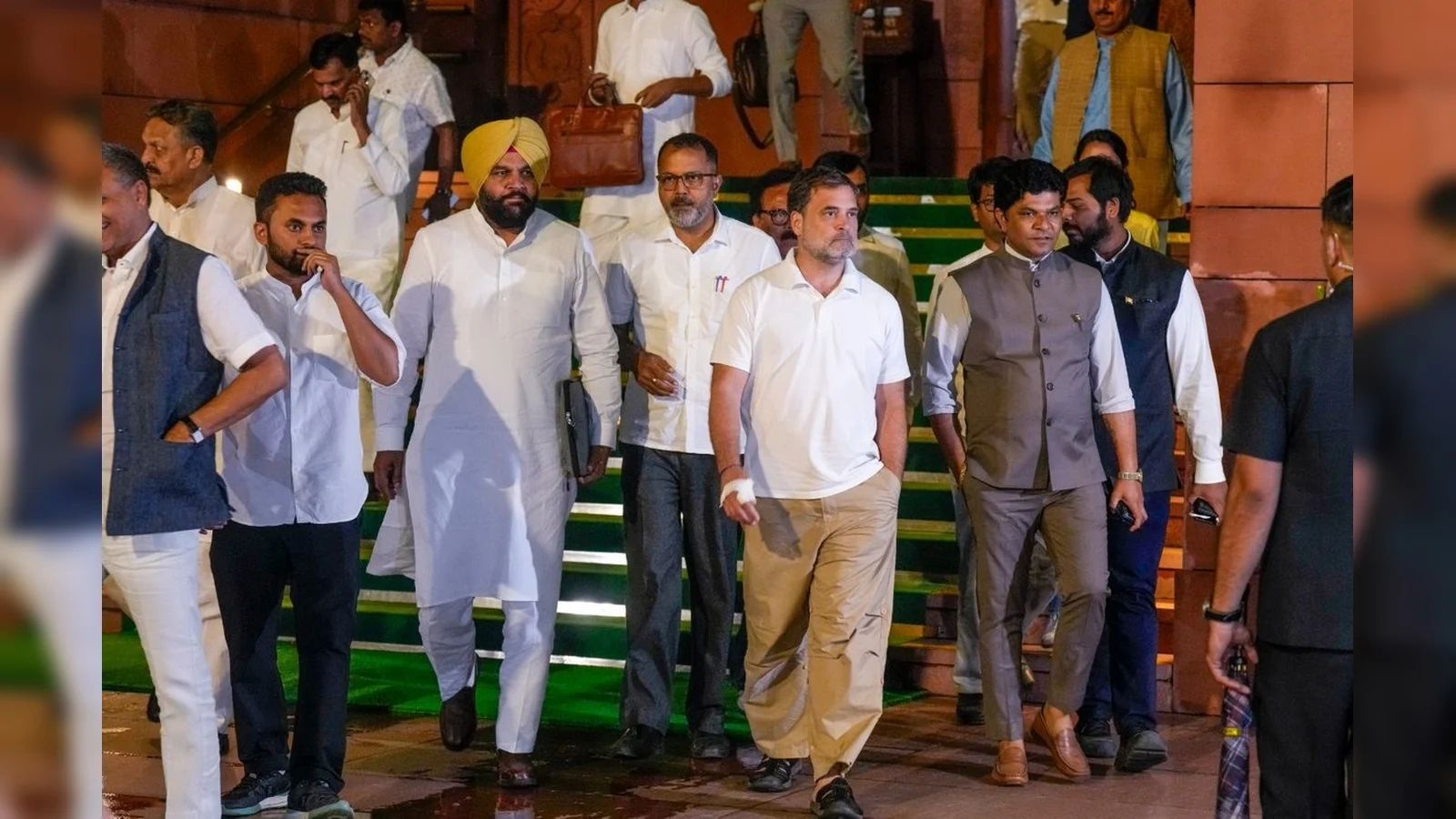
Several leaders of regional parties said the bill’s defeat showed a united rejection of the national government’s approach. One important regional leader called the day important in history and thanked those who helped the opposing parties to stand together. Another leader said the ruling party is at fault for combining a reform that many parties supported with a controversial plan for redrawing districts.
Those who criticize the government’s approach said linking the two issues turned something many parties said they were for into a political issue. They believe seats could have been reserved for women without changing the boundaries of voting areas, and that combining the two things created unnecessary problems and made it harder to get agreement.
Implications for federalism and electoral politics
This event has made the arguments about the relationship between the central government and the states, and the power between Delhi and the states, even stronger. Leaders in Tamil Nadu are saying the result protects the idea of federalism and the state’s culture, and some are using it to get votes in the upcoming elections.
Political experts believe that presenting the issue as “states’ rights against the national government doing too much” could make regional alliances stronger. Also, the outcome makes it more complicated to get laws passed to achieve equal numbers of men and women in Parliament; these will now be under even more pressure to be discussed and agreed upon without being tied to redrawing electoral districts.
Next steps for the reservation agenda
In a practical sense, those who want seat reservations must now decide if they will try to introduce the bill again in a different way, pass the changes in separate steps, or try to get states to agree by talking to them. Although it’s possible to go to court, getting political agreement is probably the quicker route to making the change.
Tamil Nadu, and other states with the same worries, will now focus on making sure that any future plan to redraw districts or reserve seats is open, involves discussion, and respects how many representatives each region should have. How national leaders respond to this will decide if this issue leads to a lasting political standstill or a renewed chance to make changes.