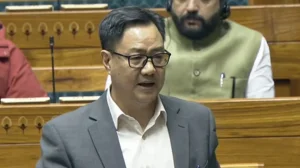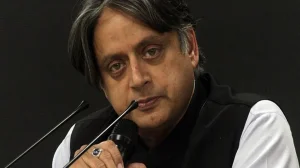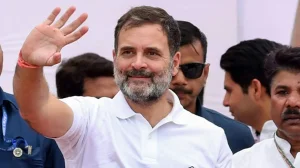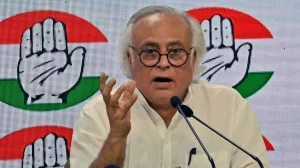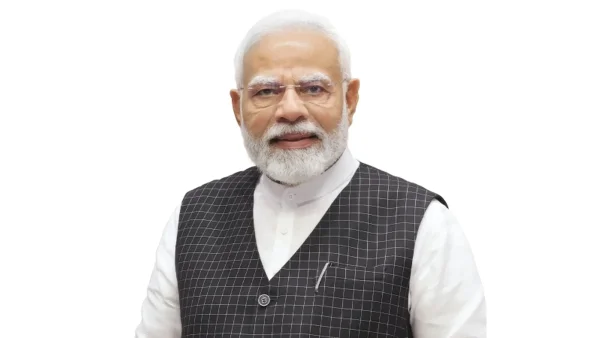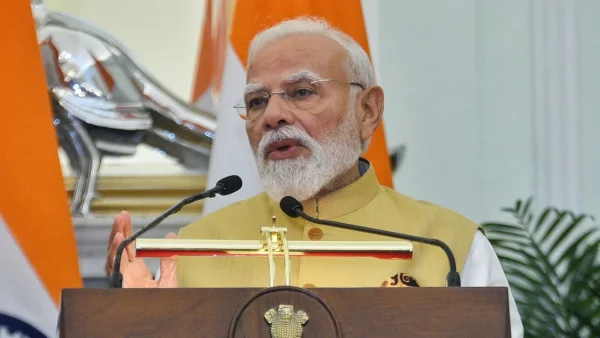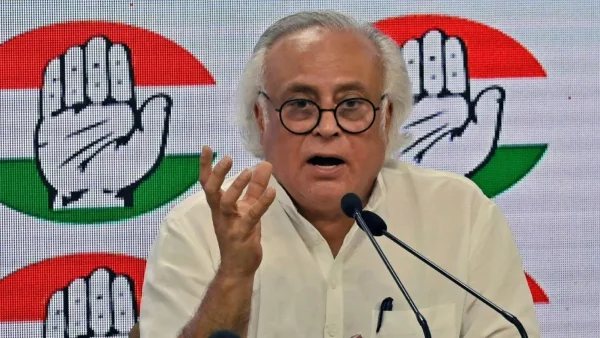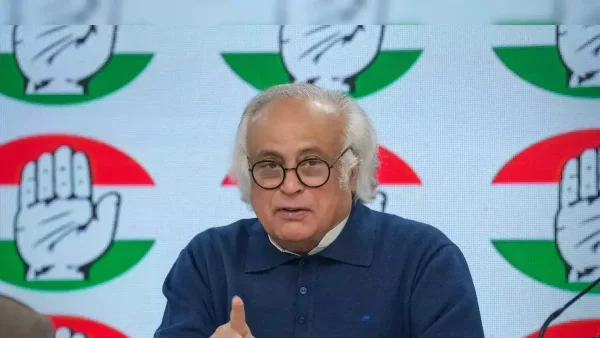
Specifically, the Congress described the Lok Sabha’s rejection of the constitutional amendment bill as a firm rejection of the attempt to tie delimitation to women’s reservations. Leaders in the party portrayed the vote as a success for democracy, federalism and the Constitution itself, and they blamed Prime Minister Modi and Home Minister Amit Shah for coming up with this plan.
Lok Sabha vote and bill outcome
This constitutional change would have meant that 33 percent of seats in Parliament and state legislatures would be reserved for women by 2029, and it would have increased the total number of seats in the Lok Sabha. Of the 528 members of Parliament who voted, 298 were for the bill, but 230 were against. Because 352 votes were needed for the two-thirds majority, the bill failed.
Because of the rules of Parliament, a special majority was required to make this change to the Constitution. The fact that they didn’t get that many votes showed how split the governing party is and how many MPs didn’t want to link when the boundaries of voting areas are redrawn with the timeline for the women's reservations. As a result of the vote, the government doesn’t have enough support to make these changes using this particular constitutional change.
Congress response and allegations against the government
Jairam Ramesh, a high-ranking spokesperson for the Congress party, called the government’s plan a “secretly bad attempt” to link “dangerous proposals about redrawing voting areas” with something about women's reservations that had already been decided. He said on social media that the government tried to tie the redrawing of voting areas to women’s reservations after Parliament had already discussed and decided the issue last year.
Ramesh said the defeat proved the opposition right and raised questions about how legitimate the Prime Minister is, something the party has called him because he isn’t a typical ‘householder’ (referring to a traditional family man). He told the government to put the women's reservations in place for the 2029 election using the current number and boundaries of Lok Sabha seats, and not to connect it with redrawing the boundaries.
Background on Nari Shakti Vandan Act and reservation demand
Parliament did unanimously pass the Nari Shakti Vandan Act in September 2023. Many in the opposition thought this act solved the problem of women’s reservations. However, the government only officially announced this act shortly before the discussion of the constitutional amendment, and opposition leaders said this timing was done on purpose to be confusing.
The Congress and parties that work with them have repeatedly said that 33 percent of seats for women should be implemented in the current Lok Sabha. They say the reservations can happen without connecting it to a new redrawing of voting areas which would change how many seats each area has.
Delimitation concerns and federal implications
Redrawing voting areas (delimitation) is about changing the boundaries of each area based on how the population has changed, and can alter how much political power each state has. The opposition claimed the government’s plan to link it would use the redrawing of voting areas to help certain areas and their political plans, and this worried people about the balance of power between states.
People who are against the government’s plan said that making women’s reservations depend on redrawing voting areas could delay or weaken efforts to make sure women are fairly represented. They said that any link between the two should be done after open talks with the states, and with constitutional protections to preserve the balance of power between the central government and the states.
Political fallout and next steps ahead of 2029
Now that the amendment has failed, the government has to decide if it will try to change the laws in a different way, or if it will put the reservations in place administratively, within the existing number of seats. The opposition wants it to be put in place right away for the 2029 election and expects the ruling party to do so without linking it to the redrawing of voting areas.
This defeat could lead to more heated political discussions as parties start campaigning for women’s representation and changes to the voting system before 2029. We can expect challenges in the courts, new bills being proposed, or compromises to the Constitution that respect the required majority and allow input from the states, as all parties involved look for a lasting answer.
The vote showed a competition between following the established procedures of government and using political tactics to achieve a major reform. The result leaves open the possibility of increasing women’s representation in Parliament, and it also restarts the larger discussion about how redrawing voting areas should be controlled in a country where power is shared between the central government and the states.