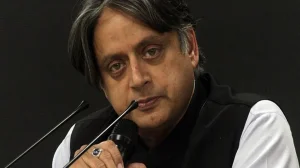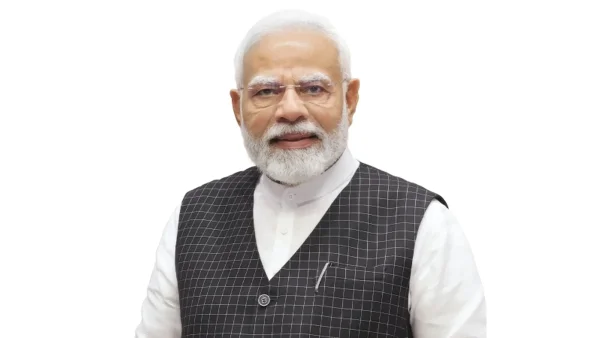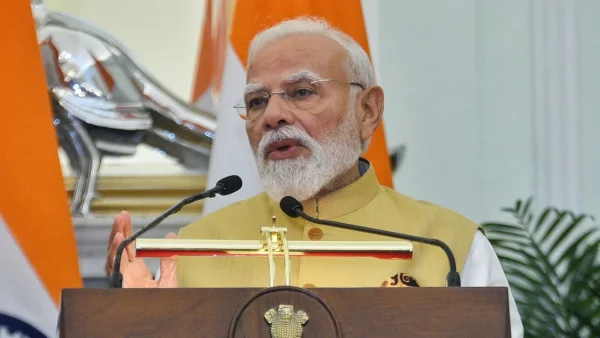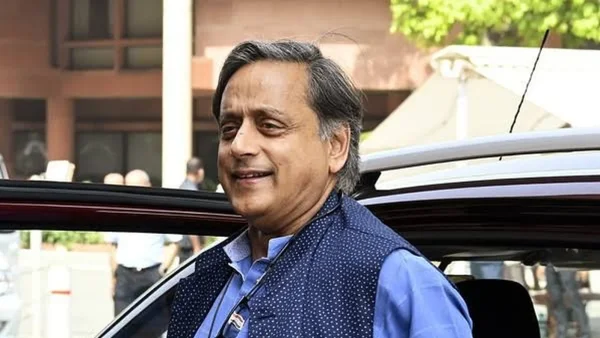
During a discussion in the Lok Sabha (the lower house of Parliament), Tharoor said Prime Minister Modi has ‘brought women’s power, but surrounded it with barbed wire’ because getting more seats in Parliament and redrawing voting areas based on the census have to happen before the quota for women is put into effect. He insisted the quota should be started immediately, without going off on a detour to look at population numbers.
Tharoor’s critique in Lok Sabha
Tharoor says making sure women are represented is both the right thing to do and good politics, and most political parties agree on this. He admits that just doing a little bit to appear to help women is not enough; we need a real time where women and men have an equal role in governing.
Linking the quota to delimitation, in Tharoor’s view, essentially holds the hopes of women in India hostage. He says combining a simple improvement with a complicated administrative process risks delaying fairness for women and weakening belief in the government’s intentions.
Concerns over linking women’s reservation and delimitation
Redrawing voting areas affects the entire system of how people are represented, and Tharoor stressed that it’s much more than just changing lines on a map. It fundamentally changes political power and shouldn’t be considered a simple technical adjustment.
The government’s plan would use the numbers from the 2011 census and expanding Parliament to make things happen in a certain order. Tharoor believes the quota for women can be started with the current number of seats in Parliament and shouldn’t be dependent on a new commission to redraw voting areas.
Risks to federal balance and state representation
Tharoor also thinks redrawing voting areas could create problems between larger and smaller states, and between areas where the population has stopped growing quickly and those where it hasn’t. Delimitation could benefit states with faster population growth by giving them more political power.
This kind of change could harm relationships between the states and send the wrong message about policies to control population growth. Tharoor also pointed out that states that are doing well financially and those that rely on money from the central government are very different; giving different political weight to each could make the financial and development differences between them even worse.
Delimitation compared to demonetisation and policy implications
Tharoor made a strong comparison to how quickly demonetization (removing existing currency from circulation) was done, calling the delimitation plan ‘political demonetization’. He cautioned that quickly making big changes can cause lasting damage if those in charge don’t understand how complicated things are and don’t listen to those who will be affected.
This comparison illustrates a larger point about policy: big changes to the structure of things require careful thought, an assessment of their effects, and agreement from many people. Tharoor asked Parliament not to make the same errors as in the past by moving forward without enough discussion or protections.
Alternatives and policy safeguards
Tharoor suggested beginning the women's quota within the current Parliament structure as a sensible alternative. This would respect the political agreement and wouldn’t cause the arguments that redrawing voting areas would.
He also mentioned that other legislatures use ‘degressive proportionality’ (a way to adjust for population differences) to balance the representation of heavily populated and smaller areas. Using systems like this, with an independent assessment and clear rules, could lessen the chance of making differences between regions worse.
Political and legislative outlook
This discussion shows that Parliament now has to decide what it values more: quickly getting a gender equality reform that most people support, or including it in a larger, more controversial plan to redraw voting districts. Politicians will have to weigh the harm caused by delay against the benefits they think will come from a complete change to the system.
In the future, the discussion will likely focus on when to do things, the technical details of how to do them, and making sure the balance of power between states isn’t upset. Tharoor’s statements are pushing for a clear, immediate way to get the quota for women, while being careful about the long-term effects of redrawing voting areas.