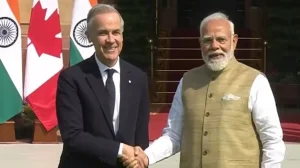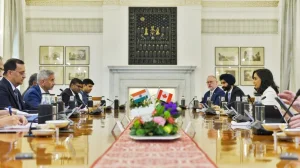
Russia and India took another step towards a stronger civil nuclear partnership, and discussed building a second nuclear plant in India while Putin visited Modi. This showed their strong relationship with each other even though the world political situation is complicated.
A second site on the table
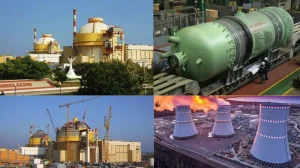
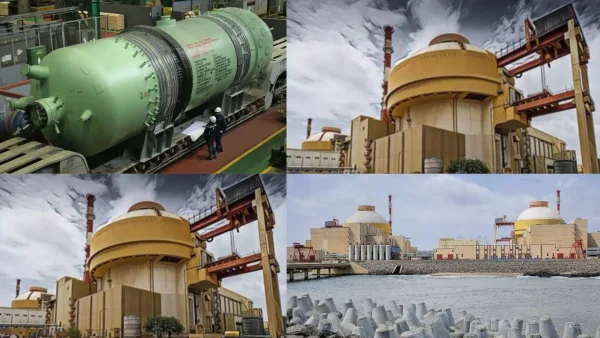
The joint statement said that more talks about a new plant are necessary, and India says it will “try to finish formally deciding on a location for the second plant” as they agreed to in the past. This will be on top of what they are already doing together and will go further than the current Kudankulam project.
Why it matters for India’s energy goals
India wants to have 100 gigawatts of nuclear power by 2047 as part of its plan to have a long-lasting and environmentally friendly energy supply. A second plant supported by Russia would provide a steady amount of electricity, lower the need to import oil and gas, and help with climate goals without causing problems with the electricity grid.
Policy tailwinds: the Atomic Energy Bill
This is happening at the same time as changes to government rules. The Atomic Energy Bill is being prepared, and it’s designed to make it easier for private companies to get involved in nuclear power. Possible changes to the part of the law about who is responsible for accidents could also encourage companies from other countries to participate and lower the cost of getting money for large nuclear projects.
Expanding the scope of cooperation
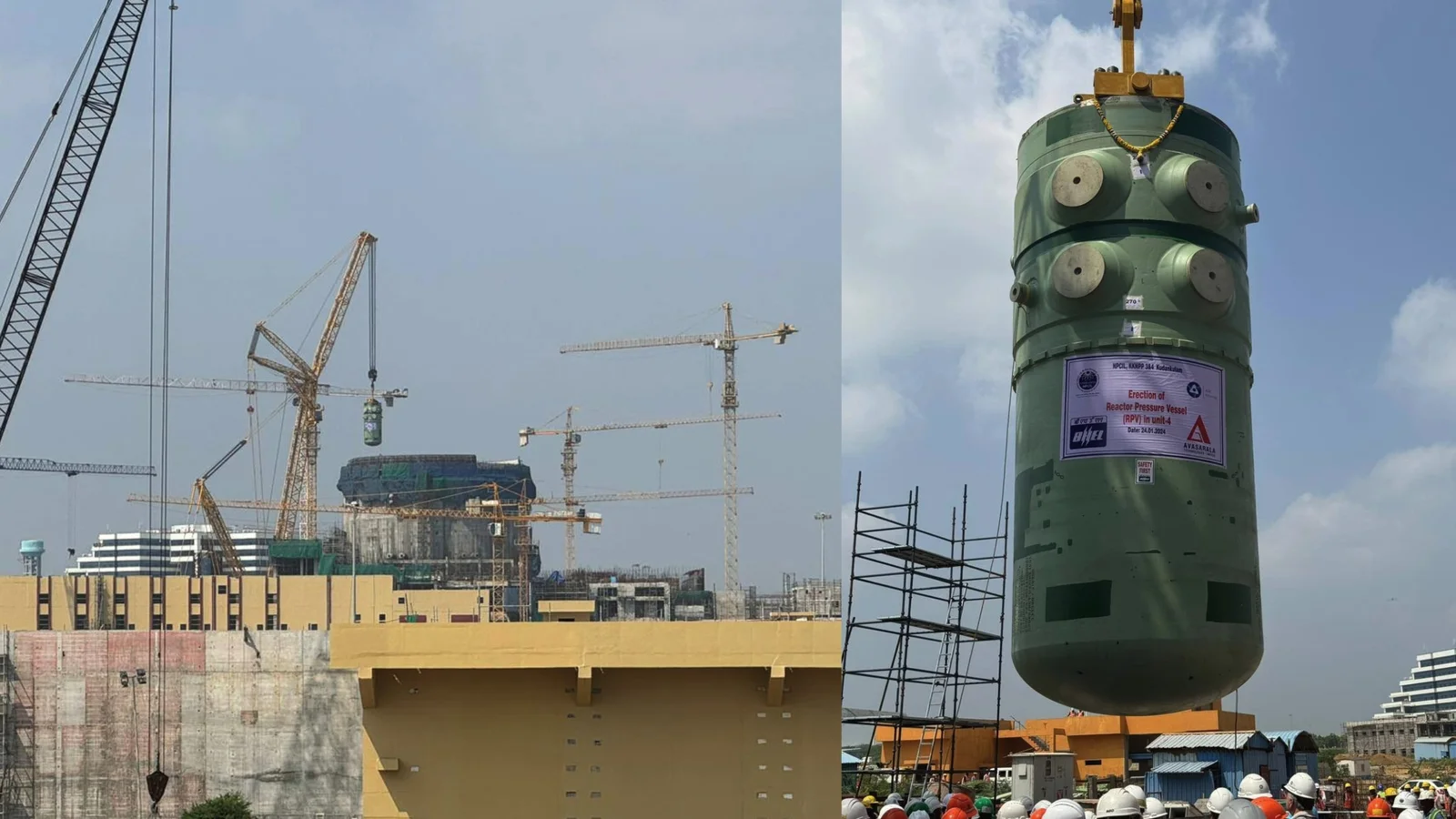
Besides building new plants, the two countries also said they will work together more on all parts of the nuclear fuel process, continuing to support the Kudankulam plant during its lifetime, and using nuclear technology for things other than electricity. Continuing to supply fuel and equipment will ensure the current plants and any future expansions continue to operate reliably.
Execution discipline at Kudankulam
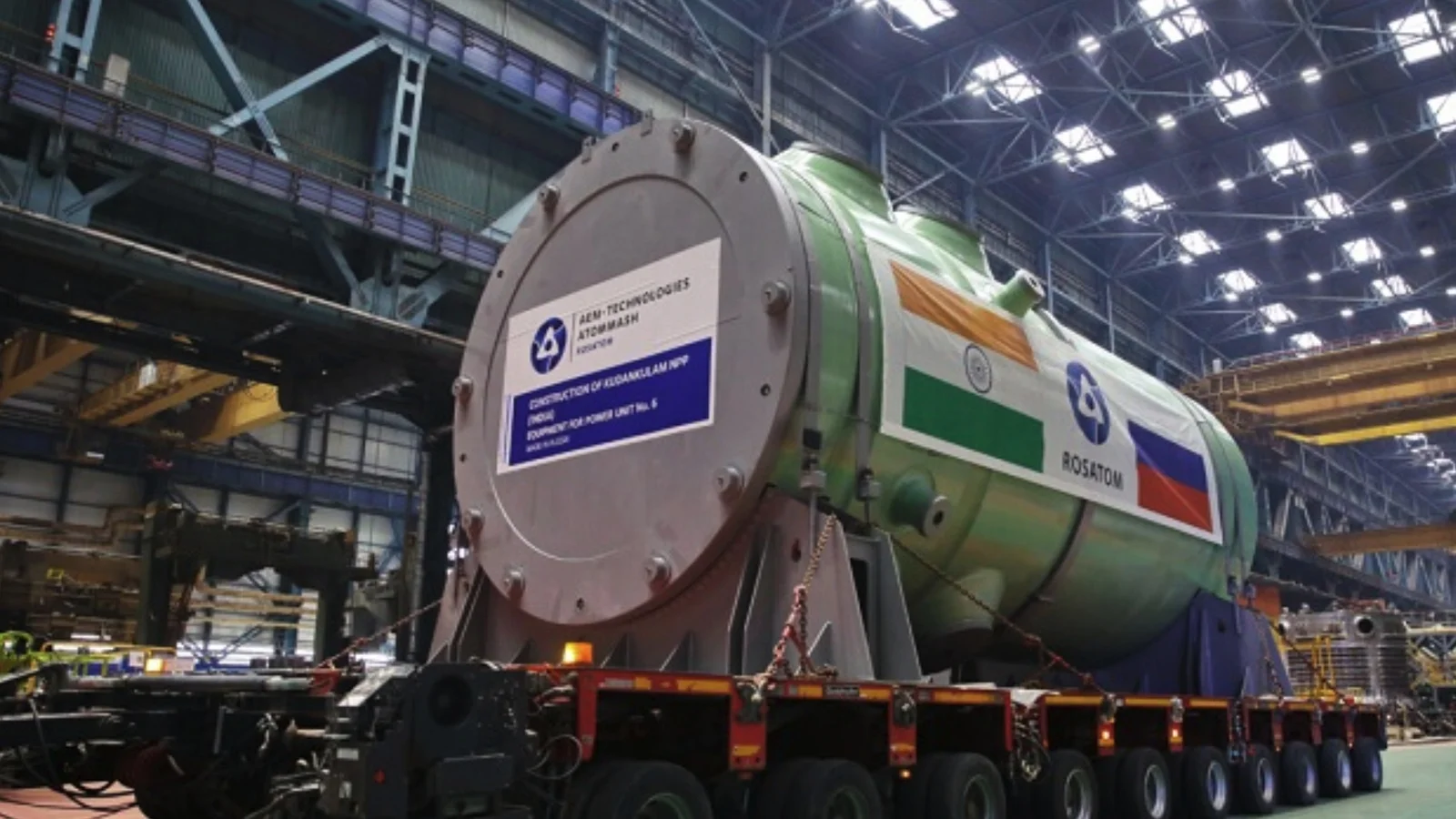
Both countries were pleased with how things are going at Kudankulam and said they will stick to the planned dates for supplying equipment and fuel. This focus on actually getting things done is important. What they learned about managing the project, getting parts made in India, and following the rules at Kudankulam could speed up the process and reduce risks at a second location.
Small modular reactors enter the conversation
Russia said it’s open to working with India on small modular reactors. These SMRs could be used with the larger gigawatt plants and are more flexible, take up less space, and could be used in industrial areas or far away places. However, actually making progress will require rules for approving them and ways to manufacture them in India.
Strategic resilience amid uncertainty
Even though the global political situation is unstable, both countries said their peaceful nuclear energy plans will continue. A stable partnership in nuclear energy will give India more energy security, and allow Russia to continue exporting high-tech products and having long-term business relationships.
Opportunities for industry and jobs
A second plant could encourage Indian companies to supply all kinds of things, from heavy machinery to services and computer systems. Getting more done in India, with guaranteed timelines for fuel and equipment, would make skilled jobs and improve India’s ability to manufacture nuclear materials, particularly if the new bill allows private companies to get involved.
Key hurdles to watch
How quickly the project moves will depend on getting a location, getting approval from environmental groups, arranging funding, and deciding who is responsible in case of an accident. It also matters how long it takes to get the main parts and that there aren’t problems with the world supply chain. Clear rules on who is responsible for accidents are key to getting companies from other countries to supply materials and keeping costs down for many years.
What the second plant could look like
Although no details were shared, any new project will probably follow internationally accepted safety standards, have a guaranteed supply of fuel, and offer long-term support. Using technology that works with how India already runs things can make it faster to start using the technology and simpler to train and fix it.
Non-power nuclear applications
The plan also mentions using nuclear technology for things other than making power, such as making medical isotopes, treating things with radiation, and doing research. Improving these areas can have more widespread benefits for society and help to develop a larger number of skilled workers for India’s growing nuclear industry.
The road ahead
The next steps are to formally choose a location, plan the project, and get approval from the government. Progress with the Atomic Energy Bill, clear rules about responsibility, and a plan for working together on SMRs will be important signs. If all these things come together, Russia and India working together on nuclear energy could be the foundation for India’s low-carbon growth until 2047 and beyond.