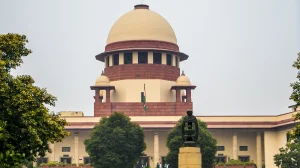
On April 2, 2026, the Supreme Court called the surrounding and nine-hour holding of seven judicial officers in Malda, West Bengal a ‘planned attempt’ to throw off the Special Intensive Revision of the voter lists. The justices, with Chief Justice Surya Kant leading, took the case themselves (suo motu cognizance) and said the state government doing nothing about it was ‘extremely shocking’.
Court findings and immediate directives
The justices said this was a very obvious and deliberate attempt to stop justice from being done. They pointed out that during the standoff the officers had nothing to eat or drink, and weren’t protected at all. Because of this, the Court asked the Chief Secretary, Home Secretary, and Director General of Police to explain their actions with official ‘show-cause’ notices.
Chief Justice Surya Kant said he was up very late dealing with the situation and he is very worried about how intensely divided politics has become. The Court instructed the Election Commission to get and use central forces to protect the judicial officers, their families, and the places where the SIR work is being done.
State response and operational failures
Officials in the state did admit to moving some local officials after what happened, but they were strongly criticized for not doing anything when they were told beforehand that something like this might occur. The Supreme Court said that this failure to act was abandoning their responsibility, and asked for immediate reports from the Chief Secretary, the DGP, and the state’s main election officer.
A leading lawyer for the state asked the Court to not use language that would imply the entire system of government had broken down. However, the Court insisted on someone being held responsible and wanted to know why nothing was done to prevent the risk that had been communicated to them.
Protection measures for SIR officials and offices
The Court told the election authorities to use central forces to make sure the SIR hearings and office work happen safely. They limited how many people can go into the hearing locations and told the local police to stop large groups from gathering and scaring the judicial officers or stopping the hearings.
The safety of the officers’ families was particularly important. The Court said a quick assessment of any threats should be done if any judicial officer is worried about their own safety. Officials will have to submit reports on what they’t done, and be at the next hearing online.
Investigation options and legal implications
The Supreme Court seems likely to order the Central Bureau of Investigation (CBI) or the National Investigation Agency (NIA) to investigate. They told the Election Commission to have one of these central agencies do the investigation and send the Court a first report.
The ‘show-cause’ notices to the top officials mean they could face punishment at work or in criminal court if they are found to have done nothing. The Court said this wasn’t just a local problem, but a problem for the authority of the courts and the fairness of the election process.
Electoral context and broader consequences
This standoff happened after many names were taken off the voter lists during the SIR process, and caused protests in many different voting areas. Road closures and protests made it hard to get around and disturbed public peace, making concerns about when and how the voter list updates were happening even stronger.
The Court warned that stopping the SIR work can cause people to lose faith in voting and slow down preparations for the election. By ordering central forces and a federal investigation, the judiciary is trying to protect how people take part in democracy and assure people that the voter lists will be updated in a way that is both safe and legal.
The Court has scheduled another hearing for April 6 and requires the officials involved to be at the hearing online. The main focus of the orders right now is to provide protection, make people accountable, and have an independent investigation so the SIR process can continue without being intimidated or disturbed.