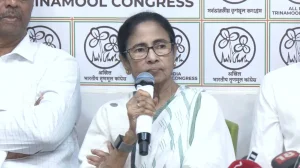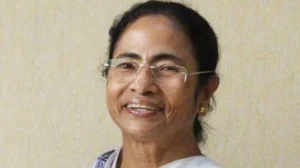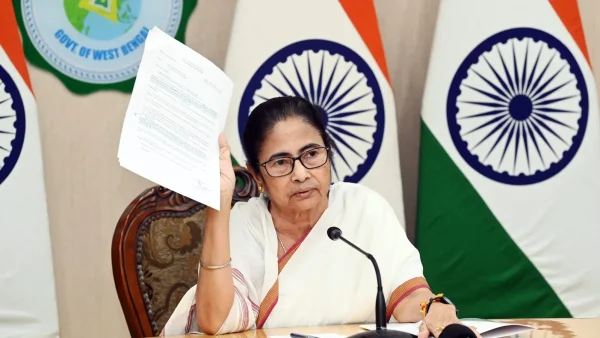
Mamata Banerjee, the Chief Minister of West Bengal, on Friday said that the All India Majlis-e-Ittehadul Muslimeen (AIMIM), the Indian Secular Front (ISF), Congress and the BJP all had a hand in the extended protest surrounding judicial officials in Mothabari, Malda. She specifically said the AIMIM and ISF organized the protest. The state’s Criminal Investigation Department has arrested Mofakkarul Islam, a lawyer, who they believe was the main person behind it.
Gherao of judicial officers and the arrest
On April 1st, judicial officials had been surrounded for many hours in Mothabari. This got a lot of attention because the people being targeted were in the judiciary, and it all happened while the election is happening.
Banerjee said the CID arrested the most important person involved at Bagdogra Airport as he was trying to get away. She made it a point to say the CID is still run by the state, not the Election Commission.
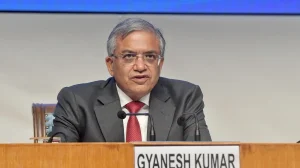
The Election Commission has asked for the National Investigation Agency (NIA) to do a nationwide investigation of the violence in Malda. This request shows how important the situation is, and that people want an investigation that isn’ andt affected by whose area of responsibility it is.
Accusations against political groups and rival parties
At a campaign event in Dakshin Dinajpur, Banerjee accused the BJP of ‘borrowing’ the person the protest was planned by from the AIMIM, and bringing him into West Bengal. She also said the ISF was involved, and that the Congress and BJP encouraged the protest.
She went on to say that these groups planned the violence in Mothabari to cause problems in the state right before the assembly elections. She said the arrest proves a larger scheme has been uncovered.
Banerjee also said her home in Kolkata was attacked the day after the protests in Malda. She didn’t give specifics and the authorities haven’t confirmed this, but the claim adds to the idea that there’s a plan to put political pressure on her.
Concerns over electoral rolls and the SIR exercise
The Chief Minister also asked why the same voter lists from the 2024 general election aren’t being used for the assembly elections. She thinks if there were problems with those lists, all the parties have benefited from them in the past.
Banerjee suggested that any illegal additions to the voter list say something about previous election results, and those leaders who gained from it should be questioned. She used this to ask for openness about the voter lists and how the election is being run.
She also responded to the frustration surrounding the Special Intensive Revision exercise, saying she understands those who have been removed from the list. Banerjee said she wants those voters to be put back on the list, and described the SIR as a general failure of the process.
Allegations on administrative moves and CRPF vehicles
Banerjee said that officials were moved from their positions to allow people from outside West Bengal to move around freely during the revision of the voter lists. She believes these transfers were intentional and done to affect the election.
She also said money is being transported in vehicles with the Central Reserve Police Force, and she has evidence of this. She says she’ll reveal the details “at the right time” to back up her accusations.
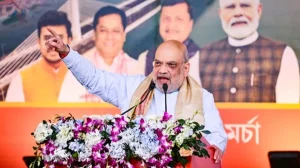
The Chief Minister warned that a lot of leaders from the central government, and especially the long visit of the Home Minister, won’t scare voters. She thinks these visits will actually reduce the number of votes for the BJP.
Political stakes, judicial independence and electoral consequences
This whole situation makes people question how safe judicial officials are, and whether the election is fair. Senior members of the judiciary have called the protest a serious threat to the power of the courts, and have increased worries about law and order.
The Election Commission asking for an NIA investigation and the state CID making arrests means lots of different authorities are involved in the investigation. This could make it harder to find who is responsible and what the public thinks of it, especially with the election being so delicate.
In the coming days, we’ll see how open the government is and how much politicians will hold back. Voters and those watching the election will be looking to see if fair investigations, solid proof, and the votes themselves can bring back trust in the election and the independence of the courts.