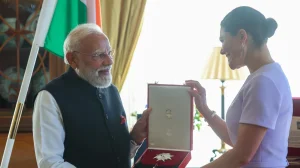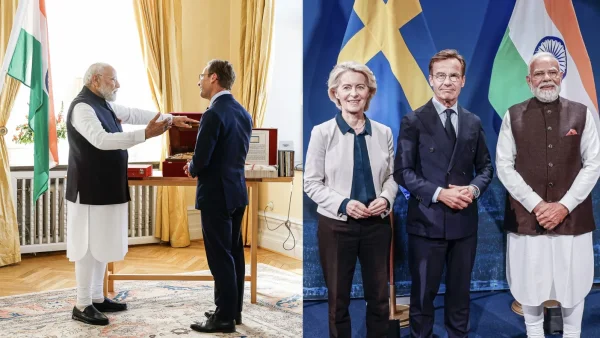
When PM Modi was in town, Sweden made a point of honouring India with some facsimiles of Tagore’s work, a way of putting a face on the kind of cultural and educational bond that exists between the two. It is a reminder of how you can put heritage to use in diplomacy, where it all comes down to culture, education and what’s new.
There was a time-honoured voice back in the spotlight when Sweden presented India with two of Rabindranath Tagore’s handwritten poems during a sit-down with Ulf Kristersson. You could see why it would matter to a student or a university in either country.
For an archive or a campus, it is proof that literary history has a way of making its mark on today’s policy talk. In the case of India and Sweden, it puts education on the same level as trade and tech.
The event distilled key messages for campuses and research bodies to note:
– Culture is a working tool in diplomacy
– Education aligns with innovation priorities
– Archives sustain trusted international bridges
The pieces, which come from the National Archives in Sweden, show some care for what we have in common. Kristersson put it well: they are a ‘testament to the long-standing relations between Sweden and India’. A way of saying that if you want goodwill, you have to be good stewards of it.
No one can argue with Tagore’s standing in academia. He was the first non-European to take home the Nobel for Gitanjali in 1913, and he put Indian thought on the map for the world. If you’re in a history or literature department, this is a live example of how art can drive international relations.
Leaders link culture with education and innovation
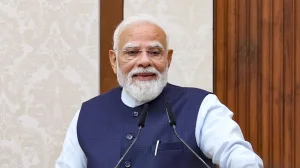
Modi said he was ‘deeply moved’ and put in a word of thanks for the 'enduring ties‘. When he talks about Tagore’s call for ‘human dignity, knowledge, and brotherhood’, you have material for a good seminar in any number of fields.
All of this happened in the course of some bilateral meetings where they were also looking at what’s next. It is a lesson for anyone in the room: culture can make a connection that a policy paper never will, and that is what holds a partnership together.
Partnership areas shaping curricula and research
Education is part of a bigger picture here. Both sides have been tending to it, along with innovation and sustainability. It is not just about the artefact, but the institutions behind it.
Take clean energy and urban development – there is more to it than meets the eye for those in public policy. And with the push for green transition, it is right in line with what is being taught on sustainability.
If you are in industry or public health, you can look at this and see the ongoing work in healthcare and defence. Digital innovation is the through-line, and it gives engineering and policy types something to debate over ethics and who has access.
Trade doesn’t happen in a void. Some Swedish firms have been in India for a while, and you have Indian talent in the Swedish economy. That kind of cross-pollination is what makes for an interesting case study or capstone project.
Beyond symbolism: momentum from earlier outreach
Modi’s last trip to Sweden was a big move in the right direction. They put a premium on innovation and on the values that bind people. It was a turning point for how India is seen in the Nordics.
This is the latest in a series of moves. It is possible to be strategic and still remember where you’ve been. For an institution, it is about having a purpose that is both practical and principled.
Diplomacy is not always about the fine print. This was a way to put some new life into research and collaboration without having to make a fuss.
What comes next for learners and institutions
If you are studying international relations, the point is plain: you need to be as fluent in culture as you are in the hard skills. For a university, looking after a shared past is not a side issue; it is often the entry point to policy.