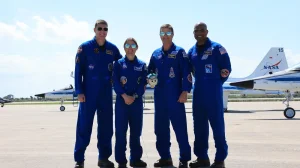
Four astronauts will be on Artemis II, going around the Moon and coming back. But it’s a test flight with people on board to confirm all of the spaceship’s systems work in deep space. By prioritizing the safety of the astronauts and how the systems perform, Artemis II makes future Moon landings and more ambitious journeys possible.
Mission design: orbit-only by engineering choice
Orion is built for traveling deep into space and for safely coming back to Earth, but it isn’t designed to go down to the Moon’s surface. A lunar lander is a separate vehicle with its own rockets and landing gear; Orion doesn’t have those. In fact, the people planning the mission didn’t include any landing equipment.
Keeping the lander separate from the part of the ship the astronauts are in makes this first trip with a crew less complicated. This way the weight, the risks, and how much the mission tries to do are all controlled, while NASA gets to test the main parts of the spacecraft with people on board. The entire plan for just going into orbit is built around testing and keeping the crew safe.
Testing humans and life-support systems in deep space
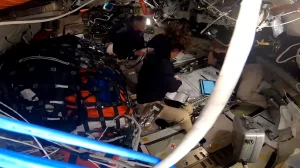
This will be the first time people fly in Orion, so one of the biggest things to prove is the life support system. Engineers will look at how Orion controls temperature, handles moisture, recycles water, stores food, manages waste, and how the exercise equipment works, all in true deep-space conditions. These tests are essential for missions lasting many days.
They will also test the navigation, rockets, and communication systems with the astronauts there. How much radiation the crew is exposed to, their health, and how they’re doing things will all be studied to improve the plans for longer trips. And, above all, the most important thing is to get the astronauts back home safely.
Incremental approach to reduce mission risk
NASA has a pattern of first building up a capability and then testing it before adding anything new. This careful approach is like how earlier space programs were done and helps avoid dangers that would be too great. Each mission as it goes will provide information for improvements to the design of the next missions, and those will include being able to connect with other ships and have landers.
Artemis II is only the second time anything in the Artemis spacecraft family has flown, so the managers of the program aren’t trying to do a landing with the first trip with people. Making sure all the systems work properly increases the chance of success in the long run and keeps the astronauts safe.
Mission timeline and operational milestones
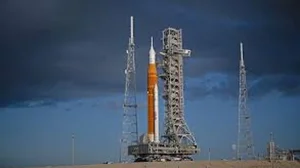
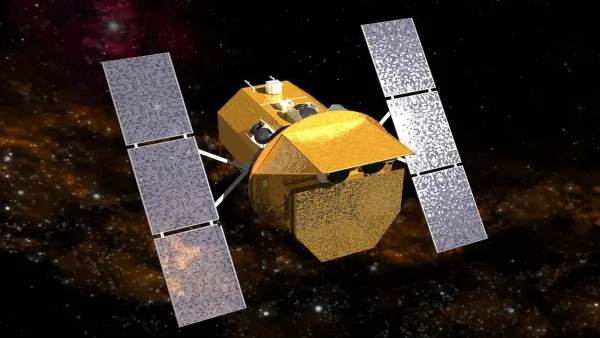
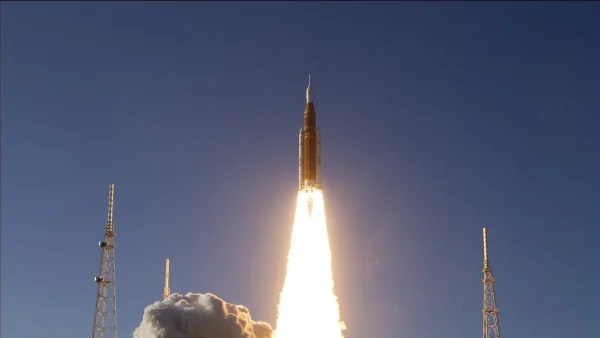
The mission will launch on the Space Launch System rocket, which will put Orion into orbit. Once in orbit, the solar panels will open and the systems will start working. After some burns to change the orbit and checks on the systems, a “translunar injection burn” will send Orion toward the Moon. The whole mission is planned to take around ten days.
The crew will fly past the Moon, looking at areas that you can’t see from Earth and helping with science and experiments on human health. After going past the Moon, Orion will come back to Earth, go through the heat of re-entry, and splash down in the Pacific Ocean. Each of these steps will test important parts of the spacecraft.
Public engagement and the use of modern devices
The astronauts on Artemis II will be allowed to bring their current smartphones to use as cameras, but with very strict rules to make sure they don’t interfere with the spacecraft’s systems. They will be in airplane mode and used as extra ways to take photos for the crew and their families to remember the trip. These phones will be able to take excellent pictures during the flyby of the Moon.
Letting the crew use their personal devices is also a good way to get the public interested. Photos taken by the astronauts can make exploring deep space seem more down to Earth. NASA has confirmed that current devices are safe for spaceflight, finding a balance between keeping the mission safe and being able to share inspiring pictures from the trip.
Long-term goals: lunar surface missions and Mars preparation
Artemis II is a step toward actually working on the Moon’s surface and eventually staying there for a long time. Later Artemis missions will add being able to connect with other ships in space, delivering landers to the Moon, and eventually having humans land on the Moon later in this decade. Each flight will help the next one and reduce the number of unknowns.
More generally, the Moon is being used as a place to practice for going to Mars. Being able to live and work on the Moon for a long time will allow engineers to test life support, places to live, and how to use the Moon’s own resources in a place that’s closer and safer. The fact that Artemis II is focusing on testing humans in deep space is extremely important for any trip to Mars or beyond.