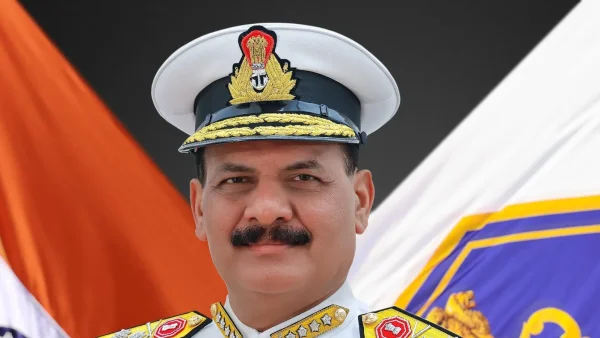
Admiral Tripathi revealed this at the Naval Investiture Ceremony. He described how the Navy was ready to aggressively respond, and was part of a larger military effort based on intelligence, after the terrorist attack in Pahalgam in April of 2025.
Operational Readiness and Op Sindoor
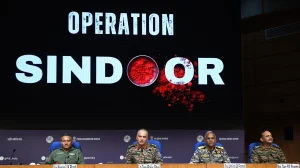
Operation Sindoor began on May 7th, 2025. It was a carefully planned operation involving many different groups working together, to get rid of terrorist bases in Pakistan and Pakistan-occupied Kashmir. Intelligence from multiple sources found nine major camps, and troops moved in to deal with these threats carefully, to avoid harming civilians.
The operation used the Air Force, Army, and Navy together in a well-organized plan. Over 100 terrorists were apparently killed, and India made a point of saying it acted with good morals and caused as little accidental harm as possible while quickly getting back at those responsible for the Pahalgam attack which killed 26 people.
Navy: Minutes Away from Sea Strike
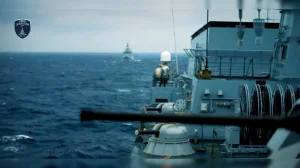
Admiral Tripathi said the Navy was “only minutes away from attacking Pakistan by sea” when Pakistan asked for the attacks to stop. This shows the Navy’s ability to carry out sea attacks as part of a larger response from the country.
He also explained that the Navy’s strong presence forced the Pakistan Navy to stay near their ports and the Makran coast, and limited how much they could move around. This show of strength and control of the sea acted as a deterrent, and gave the Indian government choices that weren’t a full-scale war.
Humanitarian Role and Capability Induction
However, the Navy also quickly responded to humanitarian crises. Admiral Tripathi mentioned quickly sending help to Myanmar and Sri Lanka, even though conditions were difficult and they didn’t have much time to prepare.
The Navy also had a big year for getting new equipment, launching twelve ships and submarines. Because of the focus on ‘Aatmanirbharta’ (self-reliance), the Navy is becoming more of a ‘Builders Navy’ – speeding up ship building in India and increasing what the country can do itself for long-term sea operations.
Personnel and Institutional Strength
Admiral Tripathi believes the Navy’s successes are due to its personnel and their commitment, good qualities, and skill, which are the basis of its lasting strength. He emphasized the importance of training, how the sailors feel, and doing things professionally when evaluating how prepared the Navy is.
The Investiture Ceremony was about giving awards and honors to people and groups who had done excellent work. These awards maintain high standards, create teamwork, and keep up a fast pace of activity from the ships on the surface, submarines, and planes.
Strategic Implications and Regional Stability
Operation Sindoor and the Navy’s almost-attack send important messages to those making decisions and to countries in the area. The Navy’s ability to reach far into the ocean adds another layer to the deterrence, making it more difficult for enemies to plan in future problems.
At the same time, being careful and trying to avoid harming civilians kept the risk of things getting out of control under control. This combination of being ready to act strongly, and acting ethically, shows a balanced approach to naval strategy, considering deterrence, peaceful discussions, and providing humanitarian assistance.
Tripathi also pointed out that the Prime Minister spent 17 hours on a Navy ship on the Western Seaboard overnight. This showed the country’s leaders all the things the Navy can do, and connected being prepared for action with political supervision and the public’s trust in the Navy’s ability to defend the seas.
In short, the Indian Navy’s part in Operation Sindoor shows it’s a modern naval force that can show strength, give assistance, and continue operating at a fast pace. Admiral Tripathi’s comments emphasize being ready, being careful, and how important the Navy’s people are as the Navy adjusts to the changing security and humanitarian needs of the region.