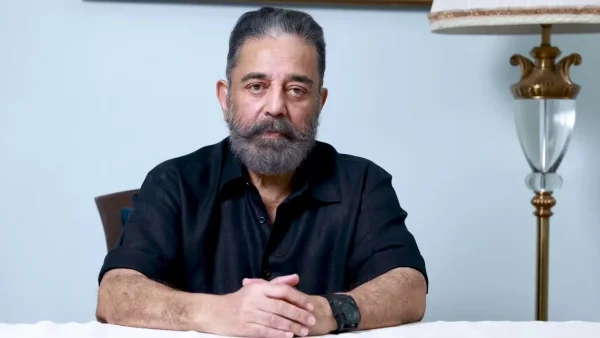
The actor has made it known he is with the Prime Minister on this one-year plan to cut back on power use. With the war in the Middle East ratcheting up the danger for us, Haasan says we can’t afford to be divided. We need to come together and make some hard choices to hold onto our reserves.
"Fuel is a matter of deep concern,” he said in a video put out not long ago, and he wants to see leaders and the public in step. You only have to look around: 60-odd nations have already put in place some form of rationing or rule to save on energy.
He put it in writing that India has been through its share of wars and shortfalls and has always muddled through by putting aside what we don’t need for the greater good.
What the Prime Minister is asking
For the government, this isn’t just a change of habits; it’s an economic necessity. The PM has made it plain that if we want to keep from being squeezed by the world market, we have to use less fuel and import less of what we can do without.
We are the third biggest taker of oil in the world, yet we haven’t hiked petrol and diesel prices at home while others have had to after crude went up. It gives us a bit of breathing room, but it also means we can’t be wasteful.
Kamal Haasan’s plan for relief
Haasan would like to see the Centre put all the Chief Ministers in a room for a summit. If the states and the Centre work in tandem, you can take the sting out of rising costs for the average person. He doesn’t think the onus should be on the citizen alone; there has to be some give-and-take from the government to protect the common man. It’s a matter of duty, not politics.
Modi has his own list of ways to do this – from using more of the public transit and working from home as we did in the pandemic, to simply being more frugal. These are the kinds of things that keep your money in the country when the energy market is in a flux.
Here are the key directives he emphasised for the next year:
– Prefer metro, buses and shared cars
– Use work-from-home and online meetings
– Avoid non-essential foreign trips
– Reduce gold purchases at weddings
– Limit cooking oil and fertiliser use
The bigger energy picture
Then there is the question of progress. As a self-styled centrist, Haasan will give credit where it’s due. Under Modi, we’ve seen a lot of clean energy come in over the last ten years. He is pleased with the way solar and wind have been put to work, and the new money going into nuclear and coal gasification. It’s all part of weaning ourselves off foreign oil and gas down the road.
So he is asking the Centre to make the first move. Get the states on side, trim the taxes and fares, and you’ll see more people leave their private cars at home. That’s how you get the kind of savings the PM is after.
He asked for two immediate steps to make public transport the practical default for commuters:
– Reduce VAT on petrol and diesel
– Cut train, metro and bus fares
What to watch next
In his remarks, Haasan didn’t mince words: the trouble in Iran is going to be felt on the street as well as in the boardroom. But he is sure of one thing – if we stand together, we will come out of this better for it.
You could say they are in agreement. Conserve, use less, and be careful with your forex. How well we take the next blow in this time of uncertainty will come down to how fast the administration moves and how much the public is with them.