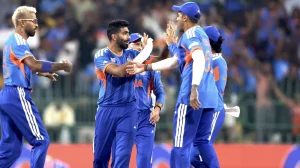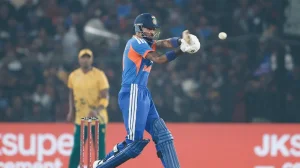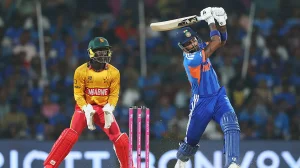
Match summary: IND vs SA Super 8 clash South Africa made a very good score, and India could not catch up. The South African bowlers kept up the heat all through India’s batting, and India lost players at fairly frequent points. The batters weren’t able to make any lasting partnerships, resulting in a really poor result in front of a full Narendra Modi Stadium.
Shivam Dube was the only real positive, getting the most runs with 42 from 37 balls – including three sixes. Abhishek Sharma, who’d begun the tournament with three scores of zero, at last got into double figures, though only making 15 from 12 deliveries. Not enough regular scores from the top and middle of the batting order meant the target was simply impossible.
This loss is India’s first in the Super 8, and quickly raises worries about the players’ current form and how well they can adjust. How big the loss was showed not only problems with doing things, but also the tactical calls made by those running the team during the match.
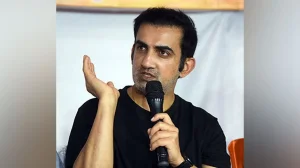
Gambhir confronts Abhishek Sharma on the team bus
After the game, cameras got a tense moment on the bus, with Gautam Gambhir having a serious talk with Abhishek Sharma. Assistant coach Ryan ten Doeschate was there, and the talk seemed to be about Abhishek’s recent trouble with the bat. The film has been widely passed around on social media, starting talk about how it was said and when.
The exchange shows the pressure young players feel in a big tournament. Abhishek had been criticised after the three ducks and his not turning good starts into useful runs. Gambhir’s body language looked like he was trying to get across a sense of urgency, rather than publicly telling someone off, but people on the internet had responses from agreeing with a firm approach to being critical of a public telling-off.
Dealing with coaching in major tournaments often means balancing giving direct feedback with keeping players’ self-belief. The bus talk will probably be part of wider talks about how to manage players who are being criticised, without making the team room unstable during a vital period.
Sundar selection and tactical decision-making
Another point of argument from the game was Washington Sundar, who was in the team at the coin toss while Axar Patel was on the bench. Captain Suryakumar Yadav said the move was a tactical one to deal with South Africa’s left- and right-handed batters. Sundar’s off spin was expected to make the ball move away from the left-handed batters in the top five of the South Africa side.
In reality, the plan did not do what was wanted. Sundar bowled just two overs, giving up 17 runs and not getting a wicket, and made 11 from 11 balls with the bat. He was brought on in the seventh over, gave up runs to Dewald Brevis and David Miller, and was quickly taken off for Varun Chakravarthy. Sundar was not given another long spell even as runs were leaking from the other bowlers.
The decision to keep Sundar in the playing eleven and then not use him much was criticised. Supporters and people who look at the game asked whether the tactical reason was good and whether managing the game could have given overs to people to make better use of the skills available.
Fan reactions, team pressure, and next steps
People’s responses on social sites were mixed and often sharp. Some fans criticised Gambhir and the coaching staff for the choices about who played and how often, while others asked for patience and a sensible response. Abhishek Sharma got a lot of online abuse, but there are voices asking for support to help him get his confidence back. India's main job now is to get back together.
With the Super 8 stage giving very little space for errors, the team leaders must balance holding people to account with calm decision-making. Being clear about tactics, making better use of the bowlers, and giving players the chance to get better will be key in the games to come.
India still has the ability to do well in the 2026 T20 World Cup, but the loss to South Africa and what came after it are reminders that things can change quickly. The team will need to be calm on and off the field to get through the rest of the tournament.