
You can be on top of your nutrition and put in the work at the gym, but if the numbers on the scale are still on the up, it may be what you are doing at night that is working against you. According to Dr Sudhir Kumar, a neurologist in Hyderabad, even a modest reduction in sleep can have an effect on your weight and activity levels, and he has some fresh trial data to back it up.
Writing on 11th July, Dr Kumar put forward some research: take about an hour and 20 minutes off your nightly rest over a few weeks and you will see a change in body composition and how you act. He puts it plainly – if you are after results that stick, you have to be as disciplined with your sleep as you are with your food and fitness.
Why your progress stalls despite diet and workouts
It is easy to view weight control as a matter of two things. Dr Kumar would have you see it as a tripod. The leg we often overlook is a good night's sleep, which has a say in your appetite, how you metabolise and the kind of energy you have for the day ahead.
For this Apollo Hospitals neurologist, sleep is not an indulgence; it is the bedrock of being well. Shorten the night and the brain and body will adjust in a way that makes it harder to hold back and to bounce back, no matter how well you have been eating or training.
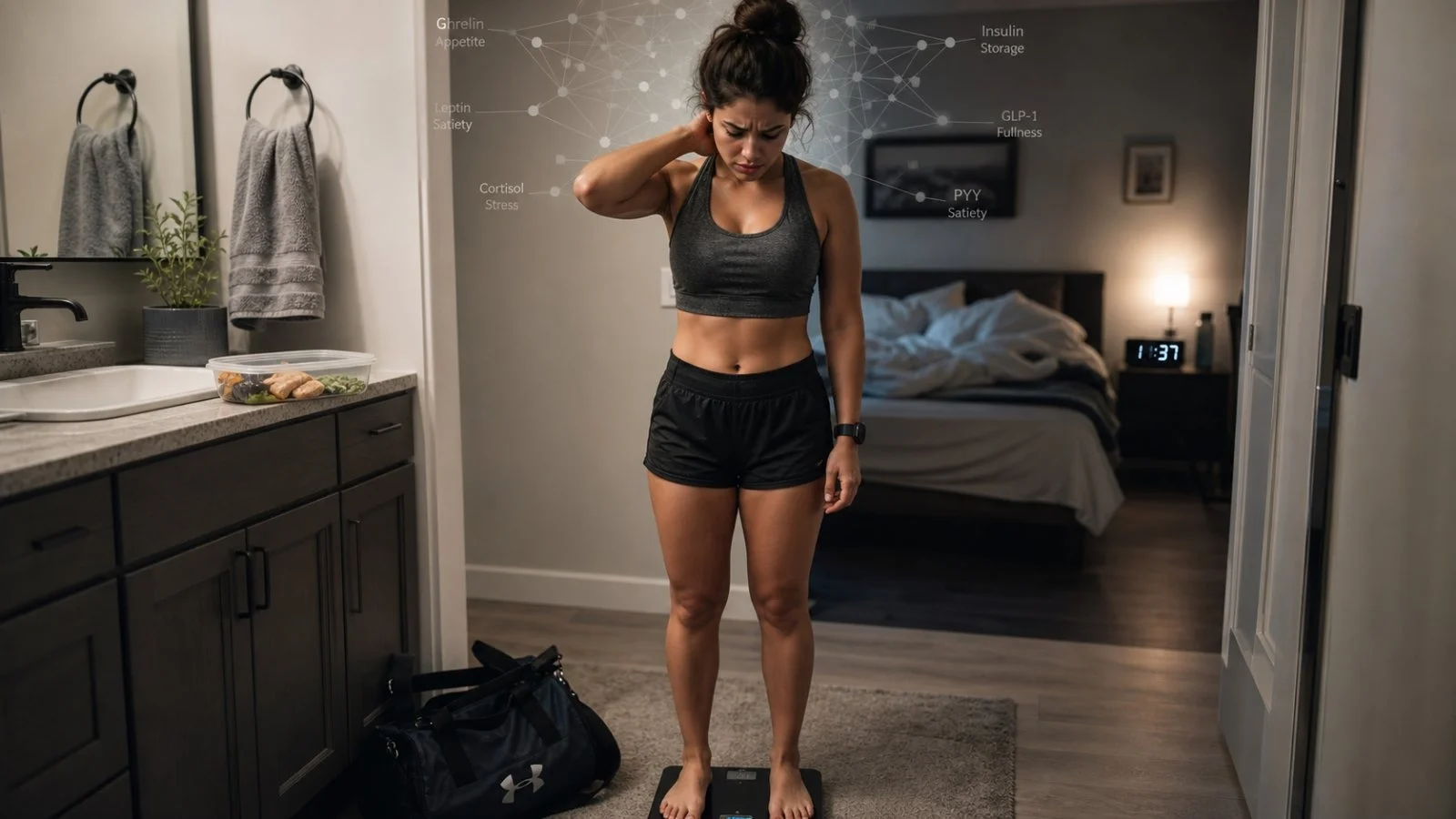
What the new trial uncovered
Dr Kumar has pointed to a pooled analysis in the July 2026 issue of Annals of Internal Medicine, ‘Prolonged Short Sleep and Its Effect on Body Weight and Composition: A Pooled Analysis of Randomised Trials’, to make his point. The people in the study who made a point of sleeping less for six weeks were different for it.
The researchers came up with these figures:
– 0.45 kg in average weight gain
– 0.52 cm added to the waist
– 17.2 more minutes of inactivity per day
Compared with those who had their fill of sleep, the restricted group was down 78.4 minutes a night. They did not put that time to any use. What happened instead was an uptick in whole-body volume and leptin, a sign that the body is more prone to store fat and harder to keep in check.
Sedentary drift is real
If you are one to count your steps, this is a telling point: a lack of sleep does not free you up to do more. It has the reverse effect. The data shows an average of 17.2 extra minutes spent sitting around, so a longer day ends up with less of a physical output.

Health risks linked to chronic sleep loss
The trial is in line with a lot of other work on the dangers of not sleeping, Dr Kumar says. Insufficient rest has been tied to a number of problems:
– A rise in appetite and what you put in your mouth
– Insulin resistance
– Type 2 diabetes
– Obesity
– Heart disease
– Stroke
This is why a strict regimen can come to a standstill. When you are short on sleep, the hormones and metabolism conspire to make you want more, handle glucose worse and not recover as well from a hard session.
How much sleep to aim for
The advice from Dr Kumar is to put in between seven and nine hours of quality sleep. It is what underpins the functions that govern hunger, how you use energy and the choices you make, all of which will determine where your weight is heading.
He would say it is one of the smartest moves for your metabolism, your heart and your figure. If you have been at it with your food and exercise and it is not adding up, then it is time to look at your nights with the same scrutiny.

Bottom line for your routine
A sound health plan is built on three things: right diet, some form of exercise and enough sleep. Take one away and the whole thing wobbles. The new data is not about cutting back on the gym or changing what you eat; it is about not making a trade-off with your rest. And if there are any questions, a word with your doctor is in order.