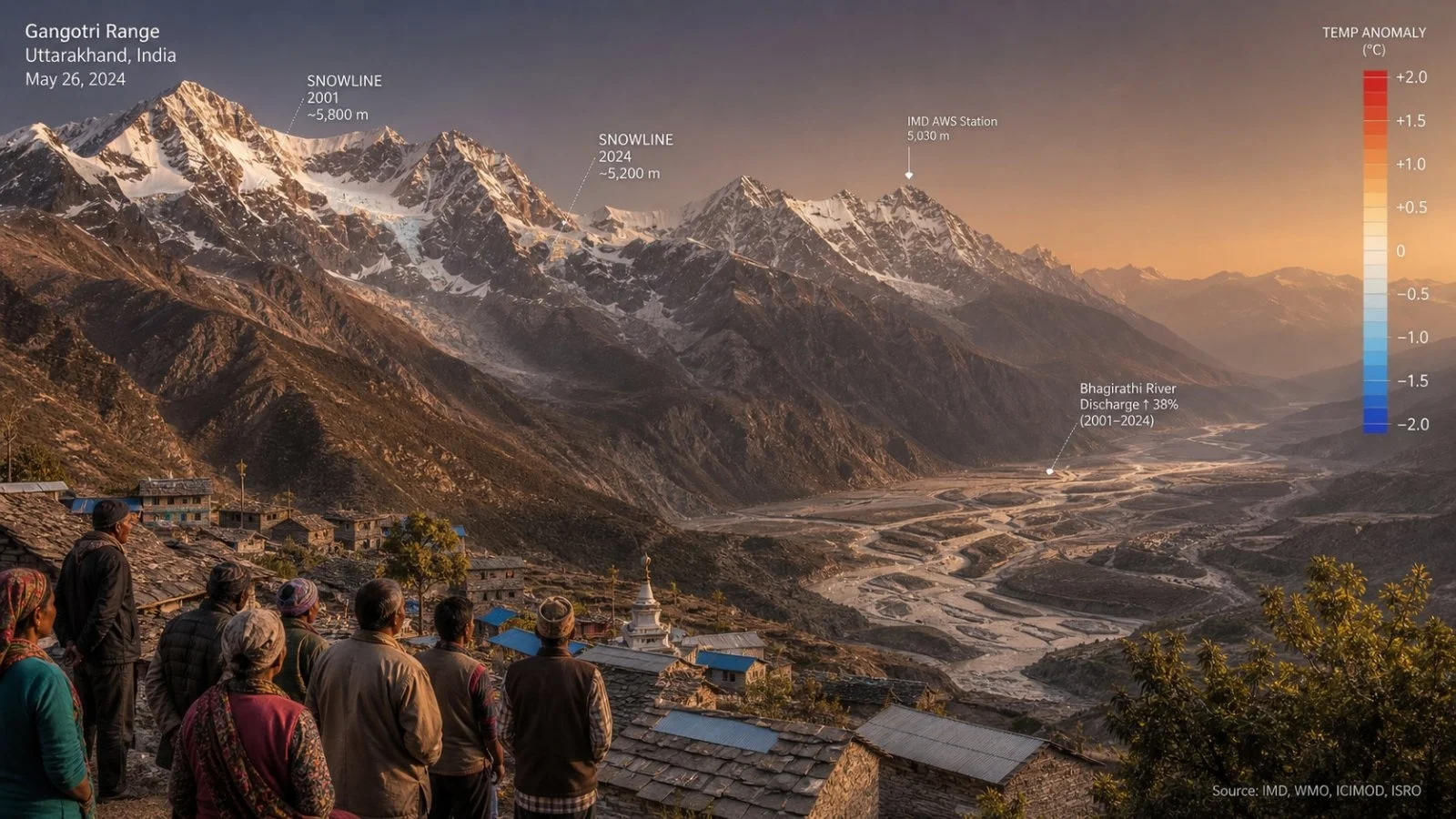
You have to look at the numbers from this IIT Kharagpur report to see why there is cause for concern: an uneven, rapid spike in temperatures across the range. With Jammu and Kashmir having put on nearly 1C in 20 years, it is a red flag for water and safety. And when you get to higher ground, the heating is even more pronounced, which can put a strain on major rivers and speed up the loss of ice.
The researchers put this down to a set of patterns that make for more melt, throw off the timing of rivers and make for a greater chance of a bad flood or landslide. For those living in the shadow of the headwaters, the uncertainty is only growing in what was once the undisputed Water Tower of Asia.
What the new analysis found
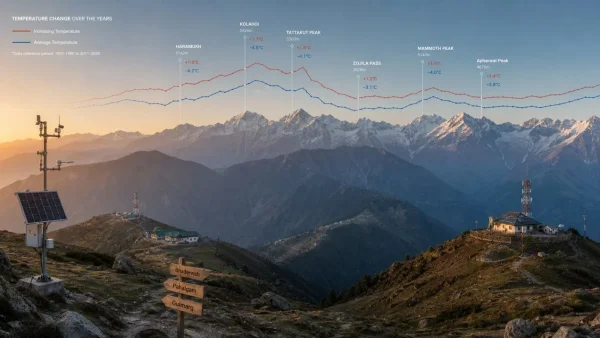
In a paper for Scientific Reports, the team put their hands on weather station and atmospheric figures from 1980 through 2024. What comes out of it is a clear case of elevation-dependent warming; the high country is getting hot while the lowlands don’t feel it to the same degree.
Take the mountain towns of Bhaderwah, Pahalgam and Gulmarg. They are on a steeper thermal curve than Jammu, say the people at IIT Kharagpur’s CORAL centre. In some mid-altitude spots, the average has been going up 0.3C a decade.
Then there is the night-time. Up where the elevations are, minimums before the monsoon have been on the rise by as much as 0.6C per decade. That chases away the natural cooling that would otherwise be good for the snow and ice.
Here are some of the stand-out figures from the work:
– A near 1C increase in Jammu and Kashmir in 20 years
– Warming of 0.3C per decade at select stations
– Pre-monsoon nights up to 0.6C per decade
– A faster rate of heat at the top of the range compared to below
Why the mountains are heating faster
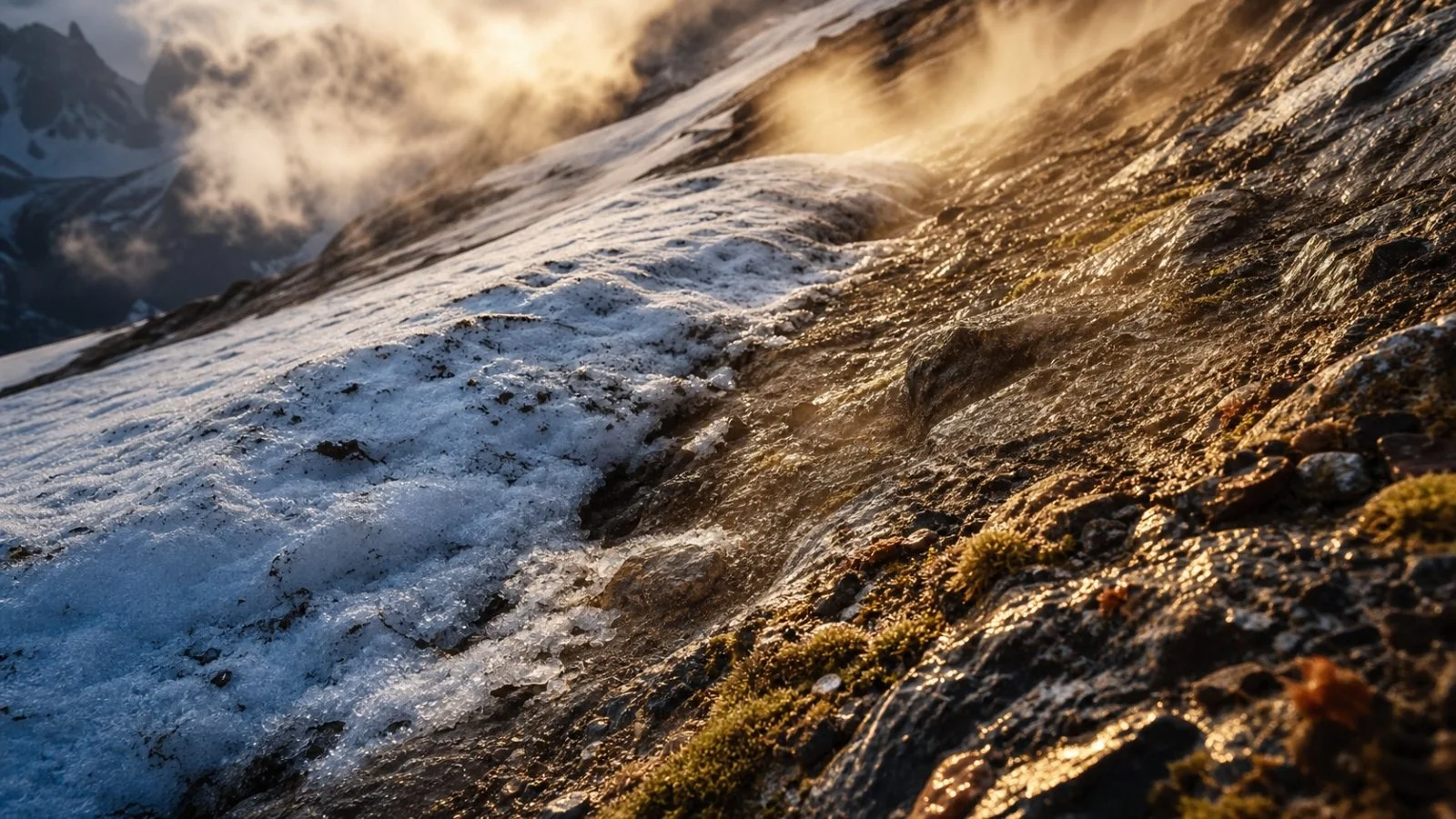
It is a matter of feedback. When the snow is there, it bounces the sun back. But as it gives way, you are left with darker rock and earth to soak up the energy. That snow-albedo effect is what drives the localised heat, in the view of the scientists.
Moisture in the air is also a factor. More of it means more heat is held in near the surface. The added humidity makes the warm spell last, especially in the summer, and deepens the pattern seen in the region.
Visible changes and rising risks
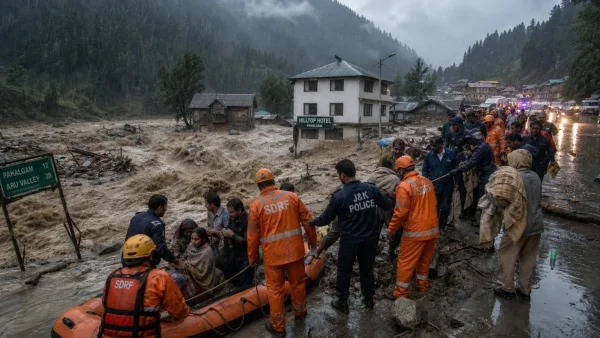
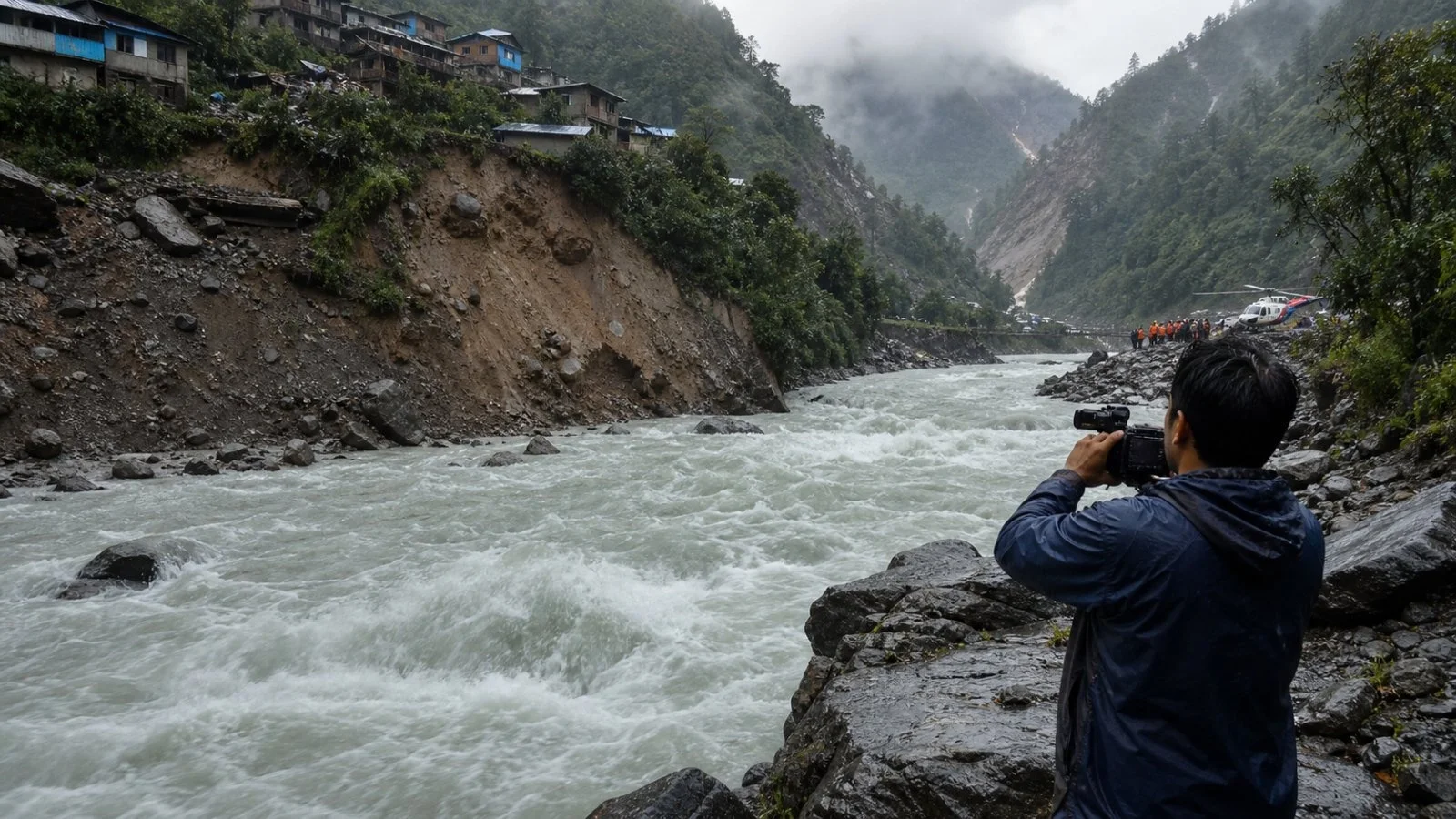
If the warming at altitude continues at this pace, you can expect to see glaciers pull back and seasonal snow put aside. River flows will be affected in both volume and timing. For the millions depending on them, that is a recipe for water shortages and the odd flood or slide.
A video from a Badrinath observer of the Alaknanda in full summer spate is a case in point. The heavy discharge is being put down to a quick melt around Satopanth. It is just one instance, but it is hard to ignore what the scientists are talking about.
The monsoon brings its own asymmetry, too. The upper reaches have been feeling more of it than the lower mountains do. That can push the runoff into a more hazardous time frame for those downstream.
What needs attention now
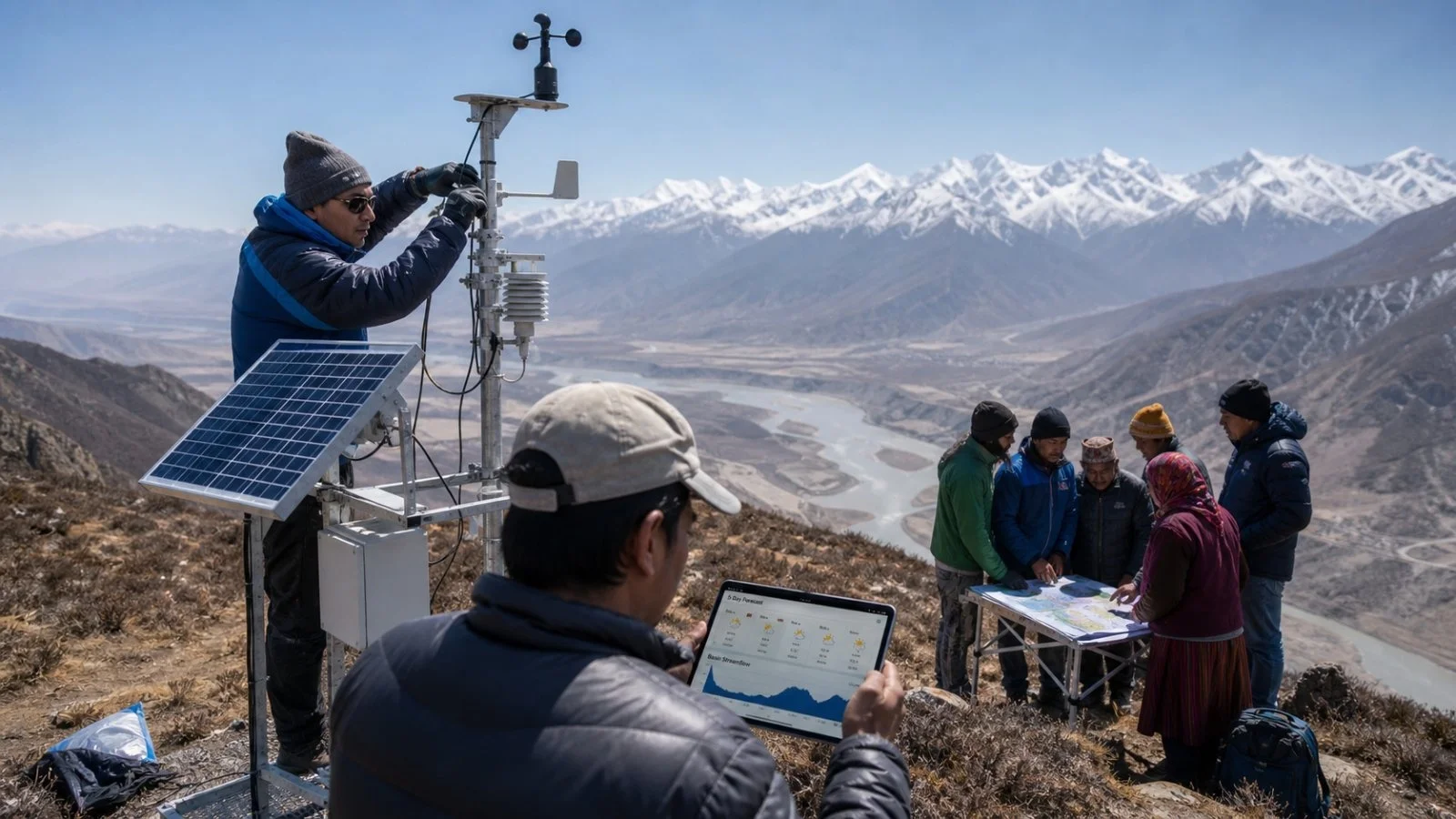
All of this is further proof that the Hindu Kush-Himalayan arc is one of the most sensitive places on the planet when it comes to climate. The authors of the study are calling for a better watch on things and some real adaptation to see the communities through what is already happening.
To make any model worth its salt, you have to account for the temperature variance from one level to the next. The team is insistent on this. Do it right and the forecasts for streamflow and ice will be of some use to the districts that need it.
But the time for a measured approach is running out. With the nights not as cool and the albedo feedback in play, a year without proper monitoring is a year you can’t get back. It will only be harder to handle come the next season.
The highlands of Jammu and Kashmir are moving ahead of the plains in terms of heat. The takeaway from the research is to view the state of the Himalayas as a matter of water and safety. From here on, it is a question of keeping a close eye on the trend and having the right kind of warning and plan in place for the conditions at height.