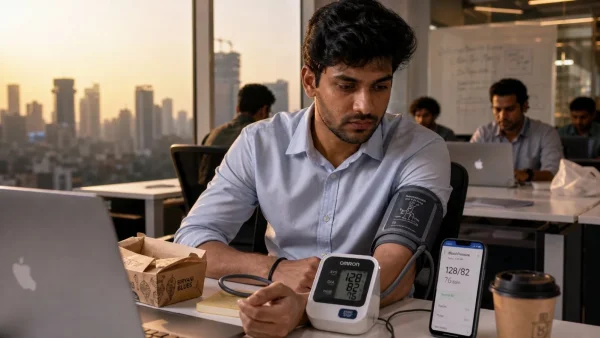
The condition is making an earlier appearance in India. Some doctors will tell you that holding off until middle age to have your numbers taken is a mistake you do not want to make. In the cardiology ward, it is becoming common to treat patients in their 20s and 30s whose high blood pressure is a byproduct of desk-bound jobs, obesity and the pressures of modern life.
It is more than a matter of what the machine says. A lot of young people only find out they have it when they are in for a pre-op or after some kind of emergency. At that point, there may be some wear and tear on the heart or kidneys already. Screening early and making some firm changes to how one lives can put a stop to that.
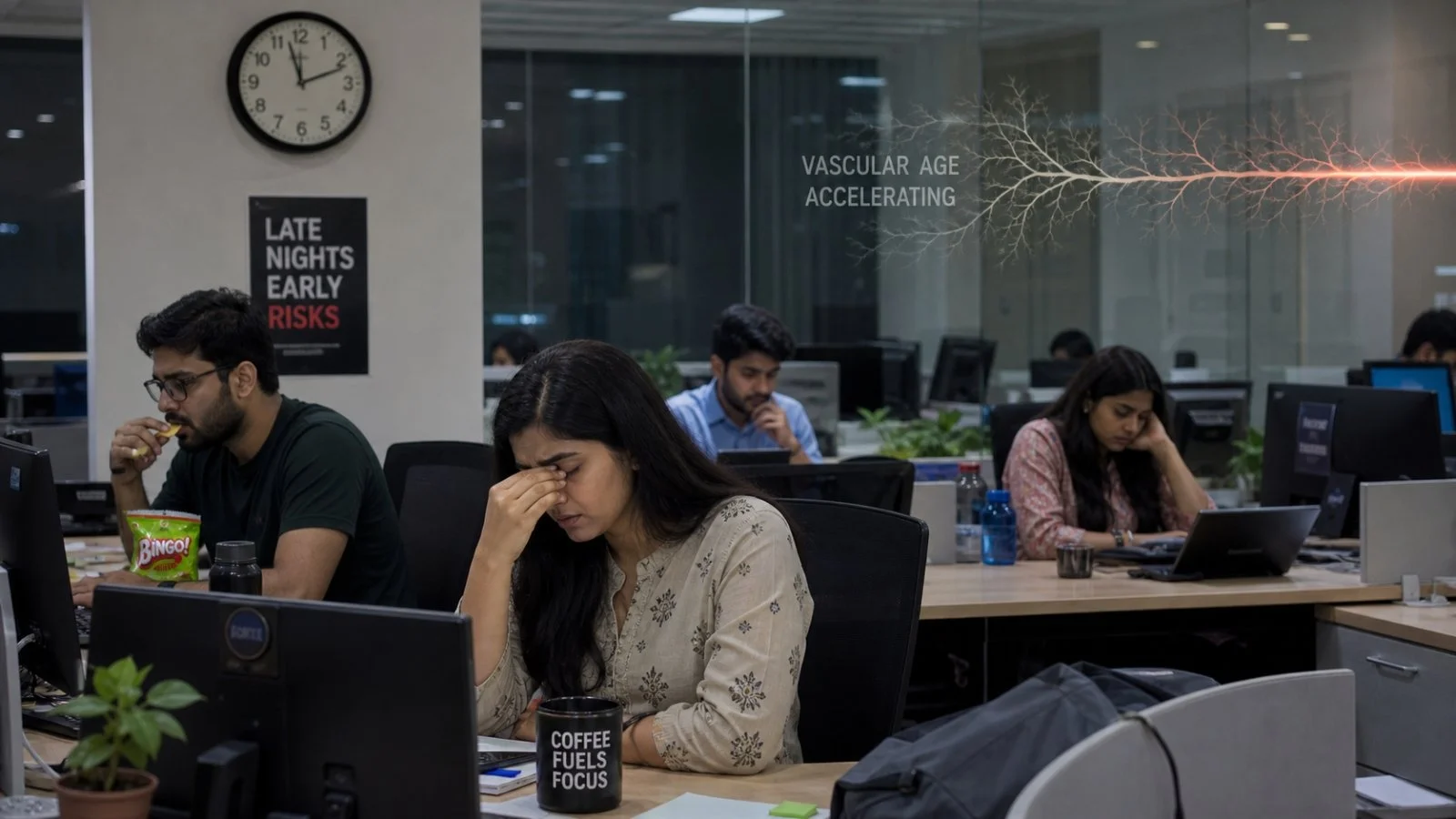
Young Indians are facing earlier hypertension
If you ask a senior clinician, ten years ago you would hardly see a case under 40 in a typical cardiology practice. Now it is something you come across every day. Between the long hours at the office, the processed food, the lack of sleep and the work environment, vascular ageing is being set in motion well before it should be.
That goes against the grain of thinking high blood pressure is an affliction of the elderly. For the urban professional with a haphazard schedule and deadlines to meet, experts say keeping an eye on blood pressure should be as routine as checking your weight or your blood sugar.
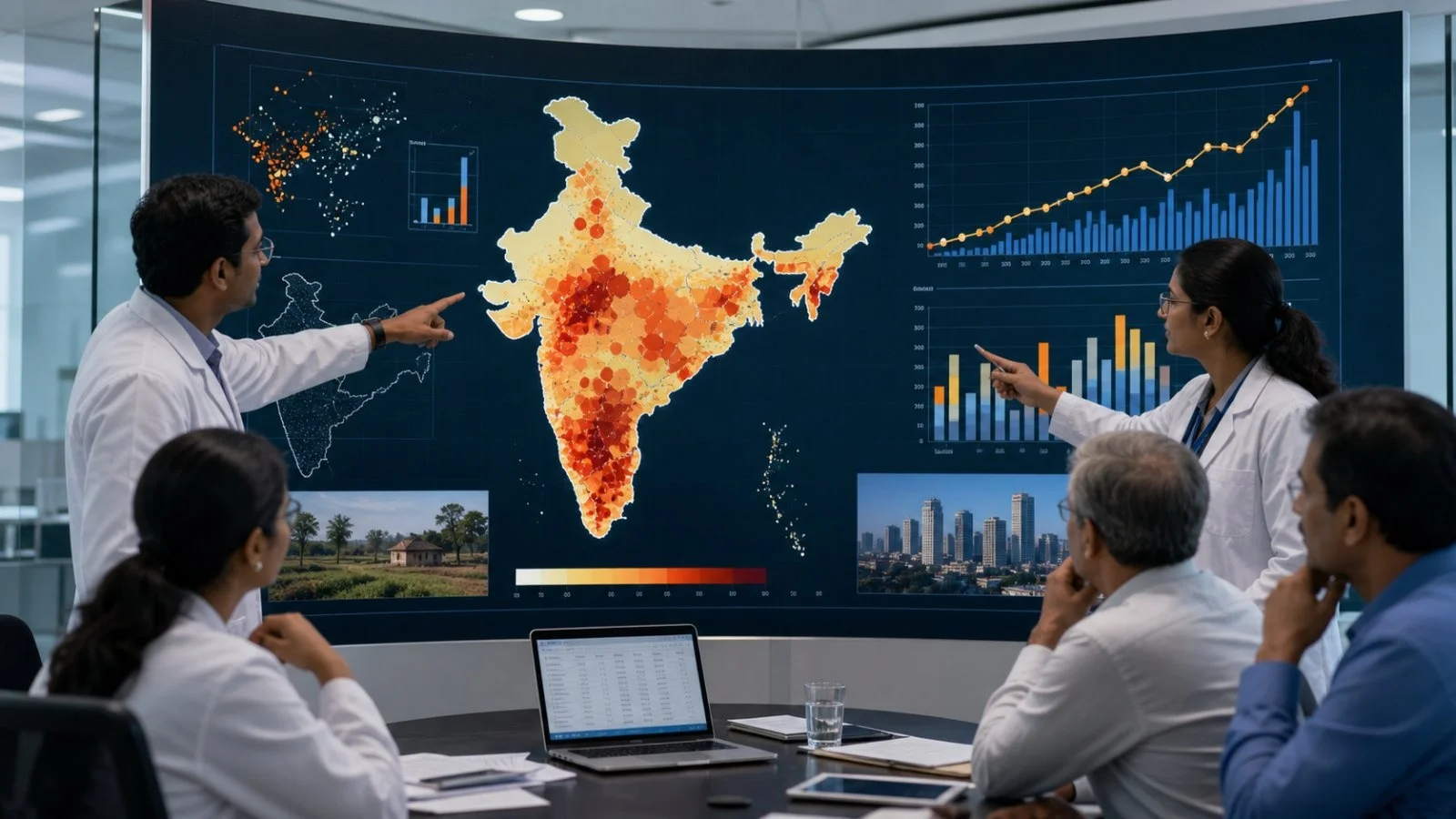
The data that shifted the debate
New figures from the field have put a finer point on things. The NFHS-6 (2023-24) has 19.4 per cent of women and 22.1 per cent of men in India over 15 with either elevated readings or on some form of medication. You will see the rates are much steeper in the cities than in the countryside.
Then there is the ICMR-INDIAB study, which puts the number of affected Indian adults at over a quarter, many of them without a diagnosis. It is a clear link between risk and the way we live: too much salt, not enough movement, and the other trappings of city living like diabetes and obesity all add up.
Why symptoms mislead and checks matter
You do not always get a heads-up with high blood pressure. A lot of the time, the patient feels perfectly well, hence the term 'silent‘. It is usually a doctor who flags it during a check-up or in the wake of a cardiac incident.
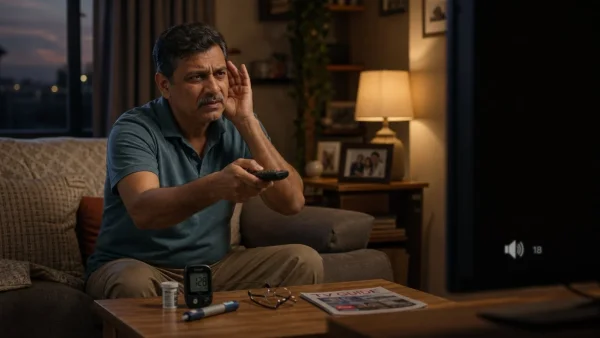
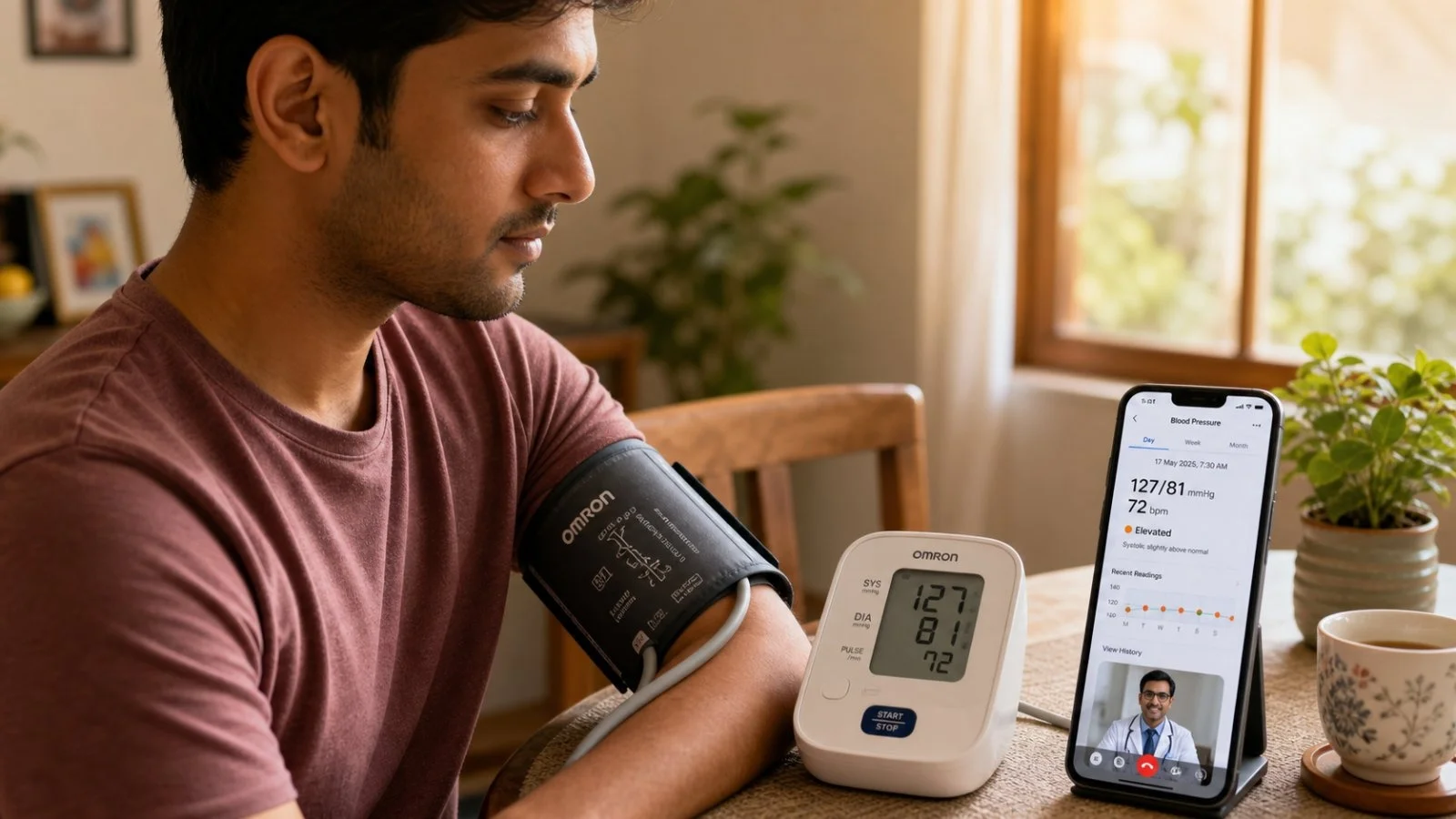
But a single reading in a hospital does not tell the whole story. You need to see how it holds up over a few weeks. Dr Rahul Chandola, a cardiologist, is a proponent of home monitors that can be linked to the care team; they are good for unmasking the problem and making sure treatment is on point.
With the right digital tools, checking in at home is no trouble. Those with a family history, or who are obese or diabetic, are well-advised to do so, instead of leaving it to a clinic visit where a dangerous spike might be overlooked.
For those on the fence about whether to begin, here are some red flags clinicians have in mind:
– Obesity or a recent change in weight
– Diabetes or pre-diabetes
– A family record of the condition
– An urban, sedentary way of life
– Not being active enough
– A diet with too much salt or ready-made meals

What early control can avert
When left to its own devices, the kind of pressure we are talking about will take a toll on the arteries to the heart, brain and kidneys.
There is a danger in the quiet way this condition can set in, with a slight uptick in one’s younger years becoming a heavy health toll down the line.
In India, where cardiovascular illness is still the top killer, there is a clear message from the medical community: get on top of hypertension and you may spare thousands from heart attacks, strokes or kidney trouble. It is as much about practicality as it is about an ideal.
Lifestyle foundations that work
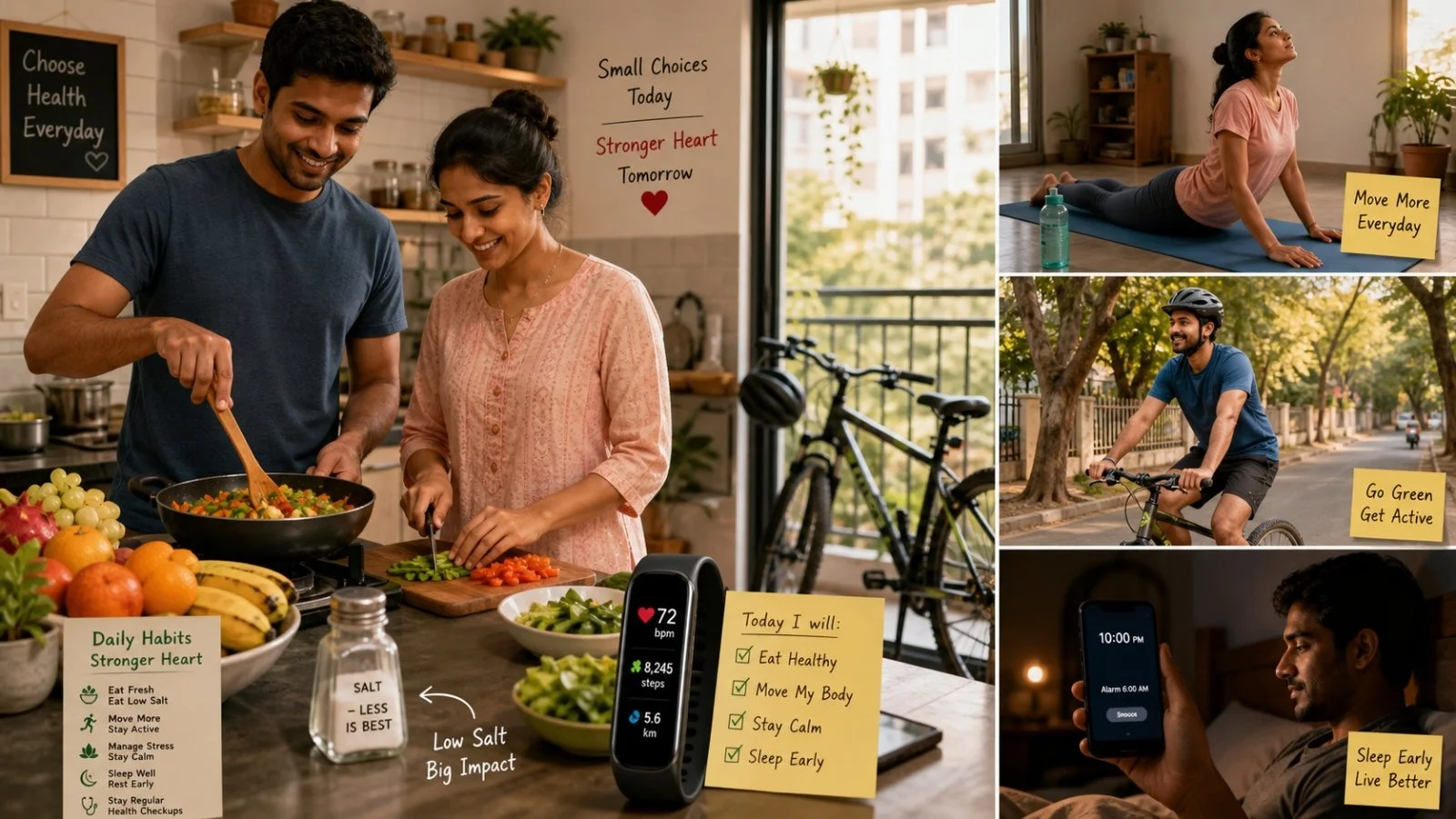
For some, drugs are a must. Yet physicians will tell you that for the young in particular, changing how one lives is what really makes a difference. Put that together with proper medical oversight and the long-term benefits are hard to beat.
According to those in the field, the rules are straightforward:
– 150 minutes of exercise a week
– Keep weight in check
– Be consistent in cutting back on salt
– More produce on the plate
– No tobacco
– Hold back on the alcohol
– Don’t let stress run the show
– Get your rest
Salt is worth a closer look. The ICMR has put out data showing that whether in the city or the countryside, Indians are well over the WHO’s five-gram-a-day mark, and that is tied to high blood pressure. Some are looking into low-sodium alternatives, but for now, the advice is to trim the added salt and be wary of packaged goods. Those are the kind of small choices that add up.
Make blood pressure checks routine
The idea that one should only have numbers taken after 40 is a thing of the past. A regular check-up, even in good health, is the best way to catch things before they become a problem.
Take Dr Rajiv Narang and his peers; they see the typical patient’s profile in flux. With more time spent sitting, poorer diets and the kind of stress that never lets up, screening early is just common sense.
Dr Chandola points to home monitoring as a way to give both the doctor and the patient a better picture. You can spot masked hypertension and tailor a plan so you are not just putting out fires, but tending to your health.
The figures don’t lie. Over 22 per cent of men and 19 per cent of women above 15 have either been diagnosed or are being treated. In urban areas, the numbers are steeper.
Hypertension doesn’t always make itself known, but the aftermath of unmanaged vessel strain does. It is a modest habit to make a point of checking in on these numbers.
Those with a family history, or who are carrying extra weight, or whose days are full of processed food and little movement, would do well to put a digital monitor to use. Learn how to read it properly and be open to what the provider has to say.
India is in a position to put an end to early-onset hypertension. It means less salt, some discipline and, for the younger generation, an understanding that this is not something to put off. It is a figure to be aware of in the here and now.