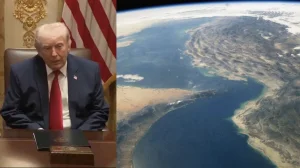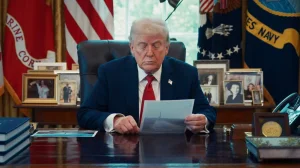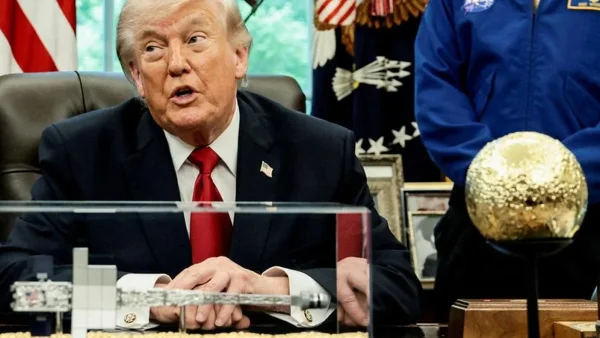
Trump has said the US is in a war with Iran to prevent them from getting nuclear weapons, and strongly states “we can’t let crazy people have a nuclear weapon.” He insists that the US could both use the military and have talks with Iran.
Trump rejects Iran’s proposal, questions leadership
Trump says Iran sent a new offer to the US through people in Pakistan, but he “wasn’t happy with it” and won’t make any compromises. He describes Iran’s government as ‘very disjointed’ and ‘a mess’, and thinks disagreements within Iran are preventing any deal he would find acceptable.
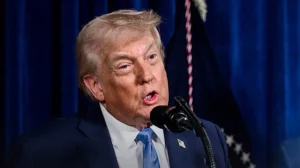
A video that many people have seen shows Trump telling a crowd that the US is at war because people who are mentally unstable can’t be allowed to have nuclear weapons. He also says that past bombing missions with B2 planes stopped Iran from developing nuclear weapons.
Ceasefire claims clash with ‘war’ rhetoric
Although Trump says this is a war, he claims that actual fighting has “stopped” after a ceasefire that has lasted three weeks. He says the United States won’t pull out of the situation too quickly and risk being in the same position in a few years.
The White House has told Congress that fighting with Iran is over, but US troops are still in the area. However, in a letter to Congress, Trump warned that Iran is still a big problem, which suggests the conflict isn’t completely finished.
War Powers standoff raises legal stakes
May 1st, the date for Congress to act on the War Powers Resolution, came and went without any action, making the disagreement between the legal and political sides in Washington even stronger. Trump says the law is ‘against the Constitution,’ and Senators left after the Senate rejected, for the sixth time, an attempt to stop the war.
People in the Trump administration, including Defence Secretary Pete Hegseth, say the ceasefire paused the 60 days that Congress has to approve the action. They say the president could ask for another 30 days approval, and that would still require Congress to say yes, as the administration tries to deal with different deadlines and claims.
For clarity, here are the core positions as stated by the key players:
– The White House told Congress hostilities ended
– Trump called the War Powers law unconstitutional
– Officials said the ceasefire paused the 60-day clock
– The deadline passed without authorisation
Iran signals openness, warns of defence
Iran’s Foreign Minister Abbas Araqchi says Iran is open to discussions if the US stops being so extreme, with its threatening language and actions that cause trouble. He also says Iran has the right to make enriched uranium for peaceful uses (something Western countries have argued against for a long time).
Araqchi also said Iran’s military is ready to defend the country. This shows that any talks will probably happen at the same time as both sides showing off their military strength, and neither side is backing down publicly.
Negotiations continue amid uncertainty
Trump says he would “on a personal level” rather not “completely destroy them,” but he added that the latest proposal from Iran won’t end the conflict too early. He blames Iran’s broken-up leadership for not making an agreement he’d accept.
Pakistan is still acting as a go-between for the two countries, but Trump doesn’t think a quick solution is likely. With US forces remaining in the region and the White House saying Iran is still a threat, it’s still unclear exactly what a final agreement would look like and when it will happen.
What to watch next
The big questions right now are whether Iran will change their offer, and if the White House will get official permission from Congress if fighting starts again. For now, Trump is continuing to put pressure on Iran, but is also keeping the possibility of talks open. The fact that Trump says there’s a ceasefire but also acts as if the US is at war is the main issue.