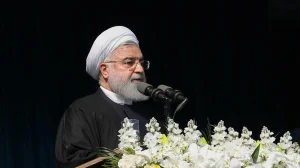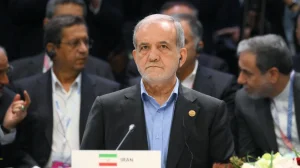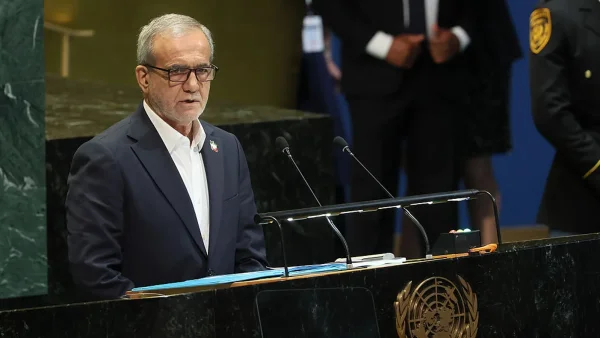
The president of Iran, Maso0ud Pezeshkian, was very firm in saying that no country has the power to take away Iran’s right to nuclear energy. He believes that all countries should be treated equally and that Iran wants to end the conflict with dignity, while also keeping peace and stability in the region.
Pezeshkian claims Iran didn’t start any fighting and is only trying to defend itself. He says other countries are attacking normal civilian areas and insists Iran has the right to defend itself as international rules say.
Negotiations show progress but key gaps remain
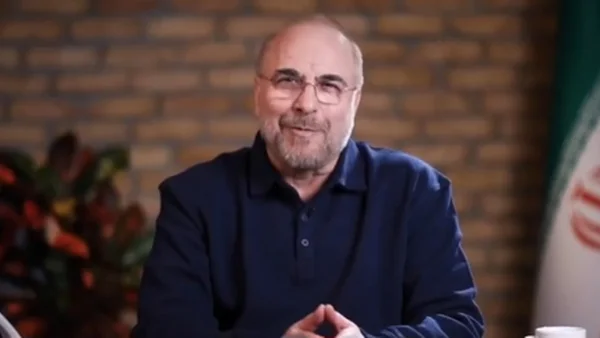
Mohammad Baqer Qalibaf, the person leading Iran’s negotiations, says that the talks with the US have moved forward somewhat, but there’s still a big gap on the most important points. Many things are still being argued about, and both sides have points they will absolutely not change.
Saeed Khatibzadeh, a deputy in the foreign ministry, said Iran will not send its enriched uranium to the US; it’s a request they won’t consider. They have exchanged messages, but because of things they haven’t yet resolved, they aren’t meeting face to face yet.
Strait of Hormuz dispute raises stakes for diplomacy
Iran quickly changed its decision to reopen the Strait of Hormuz. They said they are in control of this important waterway for the world’s oil trade because of what they see as the US blocking Iranian ports. This makes things more uncertain, since so much of the world’s energy goes through the Strait of Hormuz.
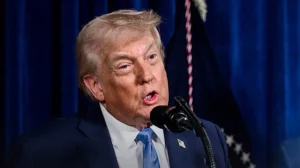
Donald Trump, the president of the US, called Iran’s actions with the Strait of Hormuz 'blackmail,’ but he also said the talks were going well. Officials in Iran say any new agreements will include a plan for the Strait of Hormuz that allows civilian ships to pass through safely while the negotiations continue.
Ceasefire timeline and regional risks increase urgency
The current truce will expire shortly, giving a very limited time to reach an agreement and increasing the chance of fighting restarting. The US has said it is correct to block certain things from Iran and has threatened to use the military again if a long-term agreement isn’t reached by the time the truce is over.
Iran has repeated that any ceasefire agreement must be complete and include the countries around Iran that are involved in the fighting. Tehran also wants the world to pay attention to the US’s one-sided punishments (sanctions) that it says are an attempt to force Iran to do what the US wants, and they want these punishments lifted as part of the talks.
Policy implications and possible paths forward
How well the diplomatic efforts will go depends on being able to find solutions to the major disagreements about Iran’s nuclear rights, lifting the sanctions, and security in the region. Things to build trust, like promises that can be checked and gradually lessening the sanctions, could create a chance for the countries to talk directly.
If a compromise isn’t reached, the situation could get worse around the Strait of Hormuz and throughout the wider area. People from other countries who act as mediators might be able to find common ground between the two sides’ firm positions, but both Iran and the US will have to be willing to move away from getting everything they want in order to make an agreement that lasts.
The next few days will show whether careful attempts at diplomacy can be turned into actual concessions from both sides, or whether both countries sticking to their positions will make the situation continue and make renewed fighting more likely.