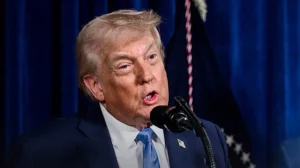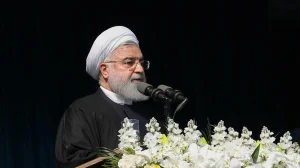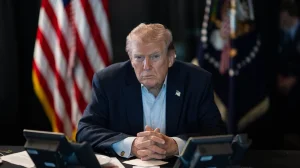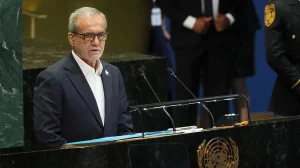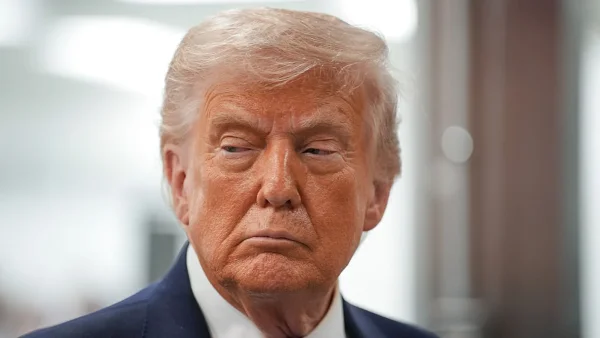
President Trump said this week that Operation Midnight Hammer completely destroyed Iran’s nuclear sites, and said it would be a long and very hard process for Iran to rebuild them. He said this at the end of a very shaky ceasefire between Washington and Tehran and after the discussions that were meant to end the fighting had stopped making progress.
Details of Operation Midnight Hammer
US officials said Operation Midnight Hammer was a careful, exact attack on June 22, 2025. The United States says that B-2 Spirit stealth bombers used special bombs to get into and destroy Fordow, Natanz, and the Isfahan Nuclear Technology Center.
Trump said the attacks officially started a 12-day fight that had begun with surprising attacks earlier in June. He wrote about how much damage he thought had been done on Truth Social, and also criticized what the news media was saying.
Escalation and regional impact
These attacks, and what happened afterwards, made a larger conflict that restarted on February 28th of this year even more intense. Another set of attacks by the US and its allies led to missiles and drones being launched at each other, which worried the Gulf region and threatened the routes where goods are shipped around the world.
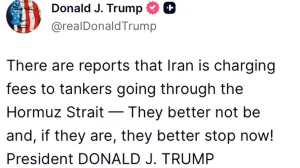
The Strait of Hormuz became the center of the problem. Iran trying to limit ships going through it, and the US doing things to stop that, messed up the flow of oil and put a lot of stress on the oil market, increasing the financial risks if the fighting starts again.
Diplomatic efforts stall as ceasefire lapses
Pakistan was where the first talks happened, and they resulted in a two-week ceasefire. But that ceasefire ended on April t22nd. The White House said they are willing to send people back to Islamabad, and that Vice President JD Vance is ready to go for another round of talks.
Tehran hasn’t said they’ll be involved. The speaker of Iran’s parliament accused the US of breaking the ceasefire by blocking and seizing ships at ports, and said Iran will not negotiate if the US is using force.
Security warnings and battlefield posturing
Iran’s Revolutionary Guards said they might attack ships in the Strait of Hormuz if they don’t have permission to be there. This shows how much control Iran has over this route, which is used for about one-fifth of all the oil in the world.
Each side says the other side is ruining the ceasefire. Tehran has indicated it might “show new cards on the battlefield” and US officials continue to say they are prepared to protect ships and the interests of their allies in the area.
Verification, consequences, and next steps
Saying that everything has been "totally destroyed” creates a hard problem in terms of being sure it’s true. Usually, to be certain about damage to complicated nuclear facilities, we use inspections by independent people, pictures from satellites, and looking at the places themselves. But it can be hard to get that access during a war.
If it’s true that the equipment for making enriched uranium and doing research has been destroyed, it will make Iran’s stated goal of peaceful nuclear energy more difficult, and also any future talks about rules and safety. But if the claim is exaggerated, it could damage the US’s reputation and make Iran even more determined to continue.
Right now, whether talks will start moving forward depends on if Islamabad can get the negotiations going again and if Tehran will participate without demands. To really calm things down for good, both sides will need ways to check on things, promises about shipping, and specific dates for inspections.
In the next few days, we’ll see if the tough talk turns into a negotiated agreement, or if continuing to boast about military wins will make each side more stubborn and lead to a much bigger conflict.