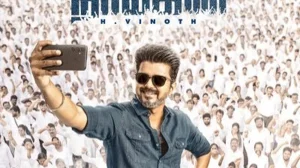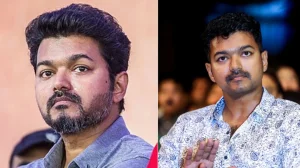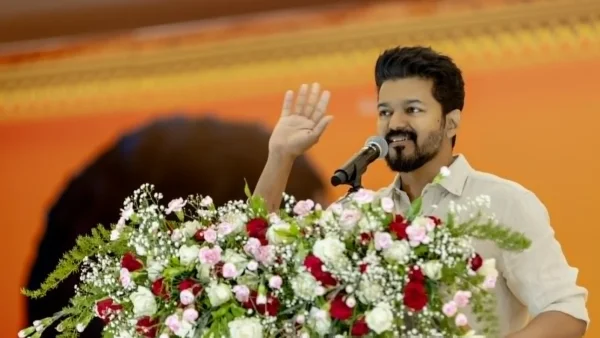
Aadhav Arjuna, the TVK’s general secretary, said the party was offered anywhere from 50 to 90 seats in the assembly plus the Chief Minister job for two and a half years. But Vijay, the party’s leader, turned this down. He wants the people of Tamil Nadu to choose him, not to just get the job for a short period of time. Arjuna wouldn’t say which party made the offer, but said turning it down shows the party’s principles. Vijay won’t “give in to pressure from Delhi” to become Chief Minister, and the TVK wants people to give them power based on secularism and social justice.
TVK will contest all 234 constituencies independently
TVK has officially announced they will be competing for every one of the 234 assembly seats without joining forces with any other parties. Arjuna said they intend to gain support from many different groups of people, specifically mentioning Christian and Muslim voters, and will be honest with them. Because this is the first time TVK is running for office, they are relying on how popular Vijay is and on promising to make a positive change in society, rather than trying to make deals with other parties. They have a long-term plan to establish a regional government guided by secular principles and fairness for all.
Political reactions and fallout from remarks
Important figures in the AIADMK have said publicly they haven’t talked about making an alliance with TVK, and one of their partner parties agrees. However, people in politics say that people at both the national and state level have been contacting Vijay’s party to try to form an election partnership. Relationships became strained after Arjuna said something controversial about another famous actor, and the AIADMK strongly disagreed with him. These statements apparently made it harder to form alliances and led to the end of discussions with certain parties.
Electoral context and what TVK’s stance means
Tamil Nadu will vote on April 23rd, and the votes will be counted on May 4th. Currently, the party in power has a comfortable majority from the last election, while the main opposing party has been rebuilding their alliances. A completely new party running in all the seats could change how people vote and how the campaigns are run in many different areas. To get a majority (118 seats) in the assembly, the TVK faces some very real and practical difficulties in turning Vijay’s popularity into actual representation in the legislature. Political experts point out that parties led by actors have occasionally had success in the past, but to really succeed they need to be well-organized, pick good candidates, and get people active at the local level.
Strategic implications for rivals and voters
If TVK continues with a campaign in all the seats, the two main established parties could find their share of the vote changing, especially in areas where the race is close. The TVK claim that they refused offers suggests they would rather be their own, independent party than quickly share power, and this might appeal to voters who are tired of the usual political partnerships.
Voters will need to decide if TVK can show they have a sensible plan for running the government, beyond just being led by a popular personality. In the next few weeks, the party will have to find people to run for office, manage their campaigns, and connect with a wide range of voters in cities and in the countryside.
Outlook ahead of polling day
TVK’s announcement makes the Tamil Nadu Assembly election even less predictable. They’ll need to grow their organization very quickly to be able to compete with the more experienced parties that have strong connections in local communities. As the election gets closer, the main things people will be thinking about are how well the current government has done, promises of social justice, and whether new parties can turn public support into votes. People will be watching to see if TVK going it alone will change the alliances between parties, or just slightly alter how many votes each party gets in close races.