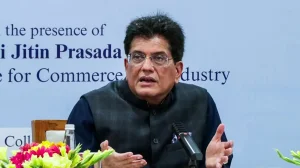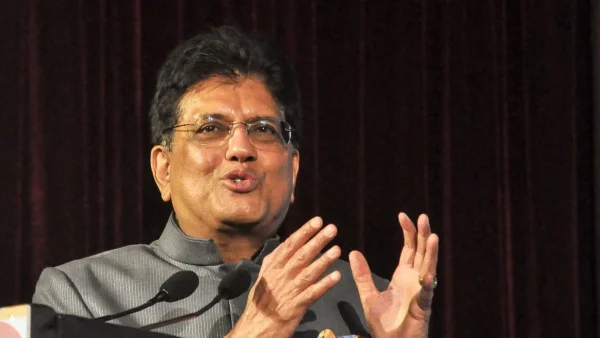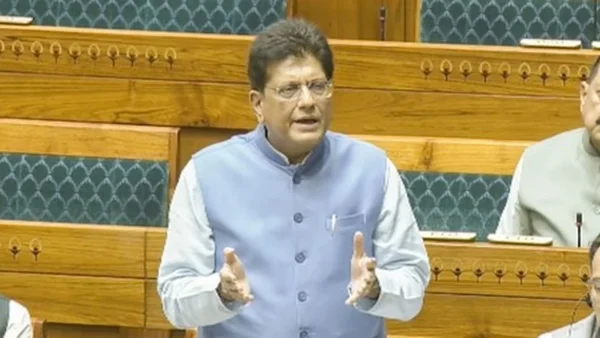
In February, product exports were down only 0.81% compared to a year before, totaling $36.61 billion. The first week of March was slow, but things improved in the second week, and he thinks exports will continue at that pace by the end of the month.
Mr. Goyal thinks we shouldn’t just look at one month’s numbers; we need to see the bigger picture. He says looking at product and service sales together gives a better understanding of how well India is doing in competing with other countries and how stable our financial situation is internationally.
Freight costs and the Strait of Hormuz disruption
Because of problems with shipping around the world, the cost of freight has jumped, sometimes tripling on certain routes. Also, people are worried about insuring ships and the possibility of shipping routes closing near the Strait of Hormuz, which is adding to the difficulty and cutting into the profits of companies that export. Even with these shipping issues, India has largely kept its product trade going. Companies have found different ways to send goods, insurance companies and shippers have adjusted to the changing risks, and exporters have taken on some of the extra costs, changing prices and the kinds of products they offer to keep their share of the market.
Services exports provide a stabilizing buffer
Over the last three or four years, service exports have grown quickly. This growth has reduced the overall trade difference (the amount by which imports are more than exports), resulting in a trade deficit that is only about 1 to and 1.25 percent of the country’s GDP when products and services are considered together. He believes there will be a good surplus of about $17 to $18 billion in the current account (a broader measure of income from abroad) due to services. Continuing strong income from services, including IT, professional work, and business process outsourcing, are a crucial element of keeping the country financially stable.
Policy support: FDI, remittances, and free trade agreements
Mr. Goyal also said that India has had a record amount of foreign investment and more money coming in from people working abroad (remittances). These sources of money help the country’s reserves of foreign money and make it less vulnerable to short-term problems with trade and shipping around the world. He also said that approximately 38 developed nations have made it easier for India to sell to their markets in recent years. And he thinks the new free trade agreements will create opportunities for farmers, fishermen, small and medium businesses, and new exporters.
Outlook and implications for exporters and policymakers
For exporters, he says they should concentrate on what they do best with products and services and offer a variety of both, as well as use different ways to ship them. Protecting against changes in freight and insurance costs, investing in improving products (adding value), and getting more service business can all help keep export income coming in.
Policymakers should keep working on practical free trade agreements, improve the country’s logistics (the system of getting goods around), and focus on the areas where India is clearly in a strong position. With a good flow of investment and money from people working abroad, India can get through current issues and get exporters ready for growth in the long term. Mr. Goyal says India's basic economic situation is strong, and other countries still want to do more trade with India. Exporters who get used to the higher shipping costs, take advantage of growth in services, and use the new trade agreements will be in a good position as things get back to normal.