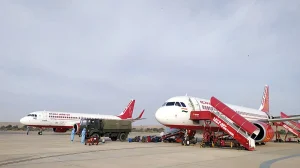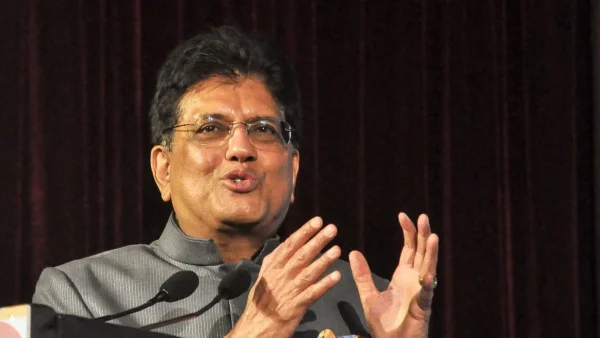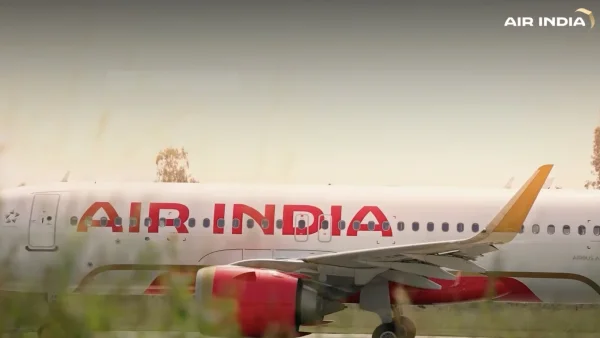
Campbell Wilson told the staff that Air India has dismissed over 1,000 employees for ethical breaches. This is a stronger approach to following the rules as the Tata Group (who now own Air India) prepare for a really, really hard year with issues relating to fuel and available routes for flights.
Wilson says the airline won’t accept bad behavior, even though staff fill out a yearly form saying they understand the Tata Group’s standards for how to act. He pointed out that, despite this form, hundreds of people are fired each year for not following those standards. Essentially, the way the company’s culture is is now important to how well it performs, it’s not just a side issue.
Why the compliance drive is intensifying
The stricter approach comes as expenses go up and the airline’s operation become more complicated. Wilson specifically mentioned how much more expensive energy is, and the restrictions on routes. Jet fuel now costs twice as much as it did, and a weaker Indian rupee and a decrease in how much people are traveling have made things even harder.
Restrictions on where planes can fly have made long routes even less profitable. Wilson explained that Pakistan has closed its airspace, and the fighting in the Gulf region is a problem. A flight to the UK that normally takes eight and a half hours recently took almost twelve. Flights that take longer use more fuel and mess up the schedule.
Strategic cost actions under way
Air India is trying to save money and keep the same number of flights going. In March they said they are going to have roughly 100 fewer flights each day because jet fuel is getting so expensive. Management has also held off on giving yearly pay rises and asked staff to reduce spending on things they don’t absolutely need.
Despite all of this, work to improve things is continuing. Wilson said initiatives to use less fuel saved 140 crore rupees over the last year. They’ve started using Boeing 787s that have been updated, and will be adding more of these throughout the year, and they are making it easier to connect flights going through Delhi and Mumbai for international passengers.
What sort of breaches triggered exits
Wilson detailed the problems with how people were behaving which caused them to lose their jobs: taking things off the plane for themselves, letting passengers take too much baggage without paying for it, and wrongly using the employee travel scheme for leisure. He emphasized that this sort of thing destroys trust and increases costs when the airline isn’t making much profit anyway.
He reminded employees simply saying they’ll behave on a form isn’t enough. As he said, people must do the right thing, even if no one else is watching. They want to make sure people are responsible for their actions as the airline changes its routes, planes and services.
For clarity, Air India is underscoring three non-negotiables:
– Zero tolerance for ethical breaches
– Annual code of conduct attestation is enforceable
– Penalties include termination
Scale and stakes for Air India
The size of Air India shows why having rules and people sticking to them is important. In the last year, Air India (as a group) flew nearly 62 million passengers, had around 8,000 flights each week and made almost $6 billion from Air India’s full service alone.
However, financially the airline didn’t do as well as they had hoped. Wilson said the company wasn’t expecting to make a profit this year and had expected to lose money, but they lost more money than they expected. This difference shows why problems with procedures and not following the rules are now a serious danger to the business.
Looking to the future, Wilson said how well Air India will get better depends on what happens with the political situation around the world and with energy prices. He said that if the Straits of Hormuz open up, oil starts to flow, oil prices go down and people start to feel more confident, there’s a good chance of a strong recovery. But unless those things happen, he warned, the year will be very, very difficult.
What it means for the market
By connecting how people act with how well the airline does, Air India is hoping to depend on being dependable and careful with money to continue during a difficult period. Reducing losses that could have been avoided, being stricter about things and getting newer planes show they’re trying to keep the airline’s network relevant while they wait for a better time to run it.