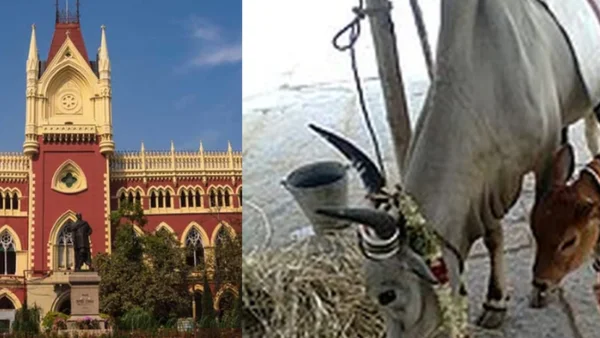
You can feel the impact in the city butchers’ stalls. With the High Court not budging on its restrictions ahead of Eid al-Adha, supplies have run dry and prices have followed suit.
What the court upheld and why it matters
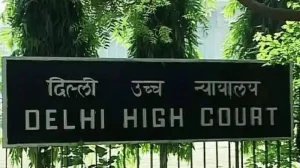
It was made plain on Thursday when the Calcutta High Court, in a bench of Sujoy Paul and Justice Partha Sarathi Sen, turned down a plea to hold up the state’s order. They were clear: no more public killing of cows or buffaloes.
The court put it in writing: “Slaughter of animals including cows and buffalos in any open public place is strictly prohibited.” They also cited the Supreme Court’s view in the Mohd. Hanif Quareshi case to note that sacrificing a cow isn’t a tenet of Islam for the festival of ID-UZ-ZOHA.
What the new rules change on the ground
This all stems from a notice the BJP government put out not long after coming to power, under the 1950 West Bengal Animal Slaughter Control Act and a 2018 High Court ruling. Now you need a vet’s fitness certificate to put an animal down, and they can’t be under 14.
That applies to the lot of them – bulls, bullocks, calves, male and female buffaloes. To get the nod, a municipality or panchayat head has to sign off with a vet.
Markets stall, prices jump
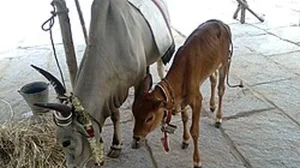
In the cattle yards that are usually teeming before Bakr-i-Eid, you see a different scene: thin crowds and wary buyers. In Polerhat Goru Haat in Bhangar, where you used to see 2,000 cows a day, there are only a few dozen left. Traders say it’s the red tape and the fear of being hauled up for non-compliance.
Certification bottleneck and the age puzzle
For a seller, it’s a matter of hard facts. Telling how old an animal is in the field is no easy task, and finding an official to stamp a paper is hit-and-miss once you’re out of the city.
Here are the hurdles most frequently cited by traders:
– No reliable method to confirm age at markets
– Difficulty finding vets and local signatories
– Slow paperwork ahead of peak demand
One man told us he had put up Rs 1 lakh with a bank and another 5 with a moneylender to put 10 on his hands, with plans to move nine of them. “Now I am told you can only sell if it’s over 14 and has a certificate,” he said. “How do I tell the age? Where do I get the paper? I don’t know.”
Political outreach and closure shock
Naushad Siddiqui, the Bhangar MLA, has put in a word with CM Suvendu Adhikari to have vets at the panchayat level to sort this out. He says the move has been unkind to Hindus and Muslims alike in his area, and has pointed to Section 12 of the 1950 Act which allows for some leeway for religious slaughter.
Then there is the matter of where one is allowed to do the work. Adhir Chowdhury of the Congress has called on the government to set aside some ground for people to follow their faith.
Over at the Tangra slaughterhouse in Kolkata, the Calcutta Beef Dealers’ Association is riled. The place was closed for two days without so much as a notice. “We are putting through two a day, and those are for the Zoo,” one member put it.
Goat and sheep trade diverges
If you head to the sheep and goat markets in Rajabazar, though, it’s a different story. Those aren’t on the list. Sure, a vet’s certificate is on the books for them too, but the boot on the neck is less heavy.
All in all, it will come down to how fast you can get your papers, where you can go, and how the law is being applied. For now, the traders are taking a hit and the consumer is footing the bill.