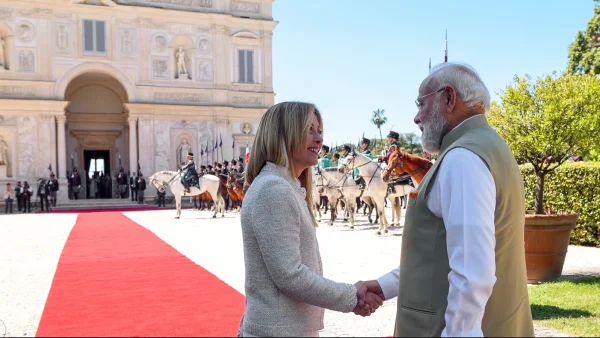
In some ways, these were not just courtesy gifts but a way for India to put its regional artisans in the spotlight. The textiles were a nod to the kind of design culture Italy is known for, and in doing so, they made a quiet statement about craft and identity.
By using regional handlooms as diplomatic language, India placed artisans alongside geopolitics. Here is what the gifts signalled:
– Elevating Northeast heritage on a global stage
– Aligning sustainability with luxury expectations
– Building a craft bridge with Italy’s design culture
– Turning a viral moment into soft-power substance
Assam’s Muga silk: luxury with purpose
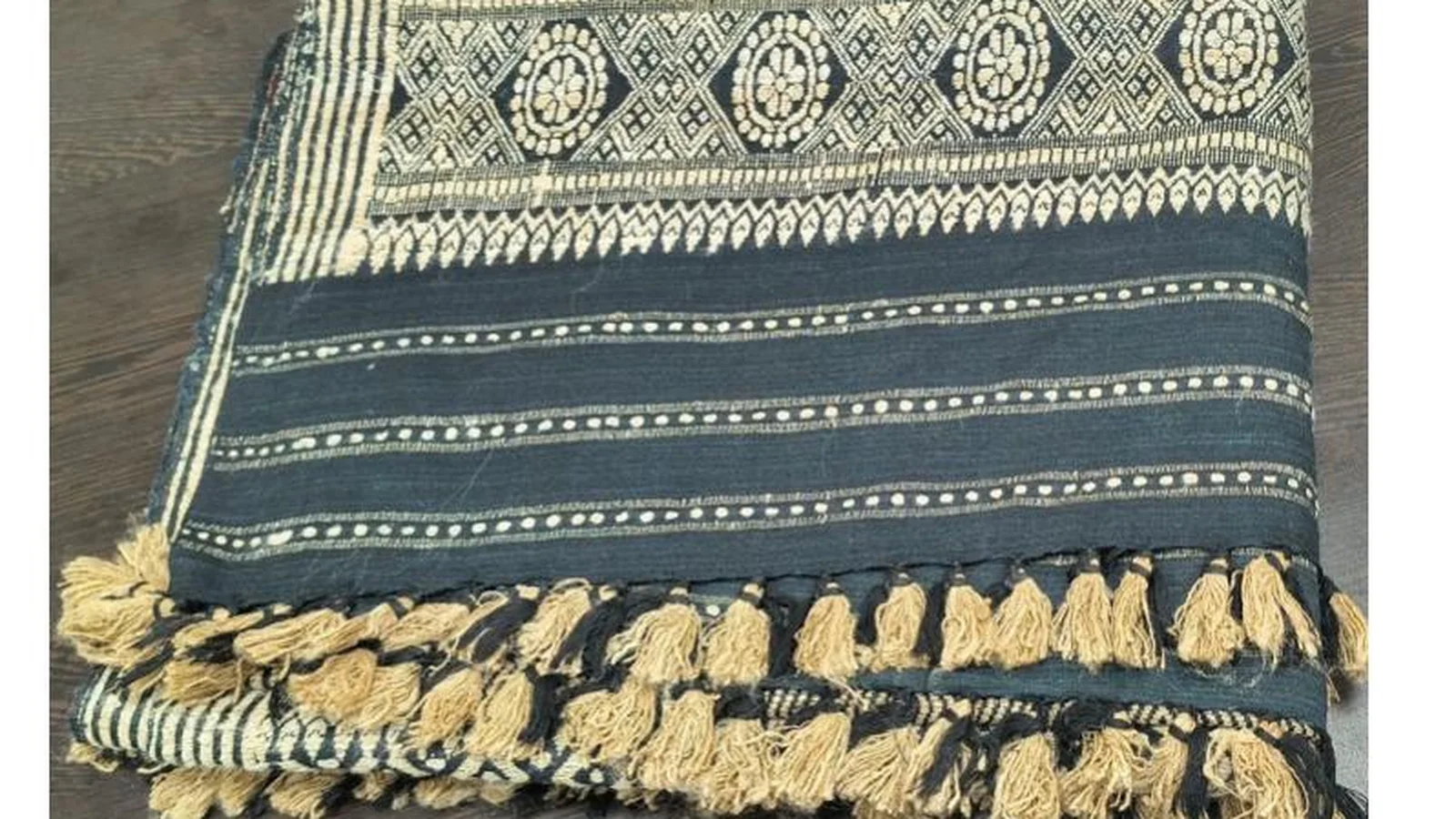
One of the pieces was a Muga Silk stole from Assam, or what you might call ‘Golden Silk’ given its natural sheen. You won’t find any artificial dyes in this fabric, which is made only in the Brahmaputra Valley. It’s one of the most robust of all natural fibres; it can be passed down through generations and will only get better with time, its lustre deepening while it holds up to the elements. In that sense, it’s a fitting tribute to Italy’s own love of fine materials.
Manipur’s Shirui Lily motif: shared symbolism
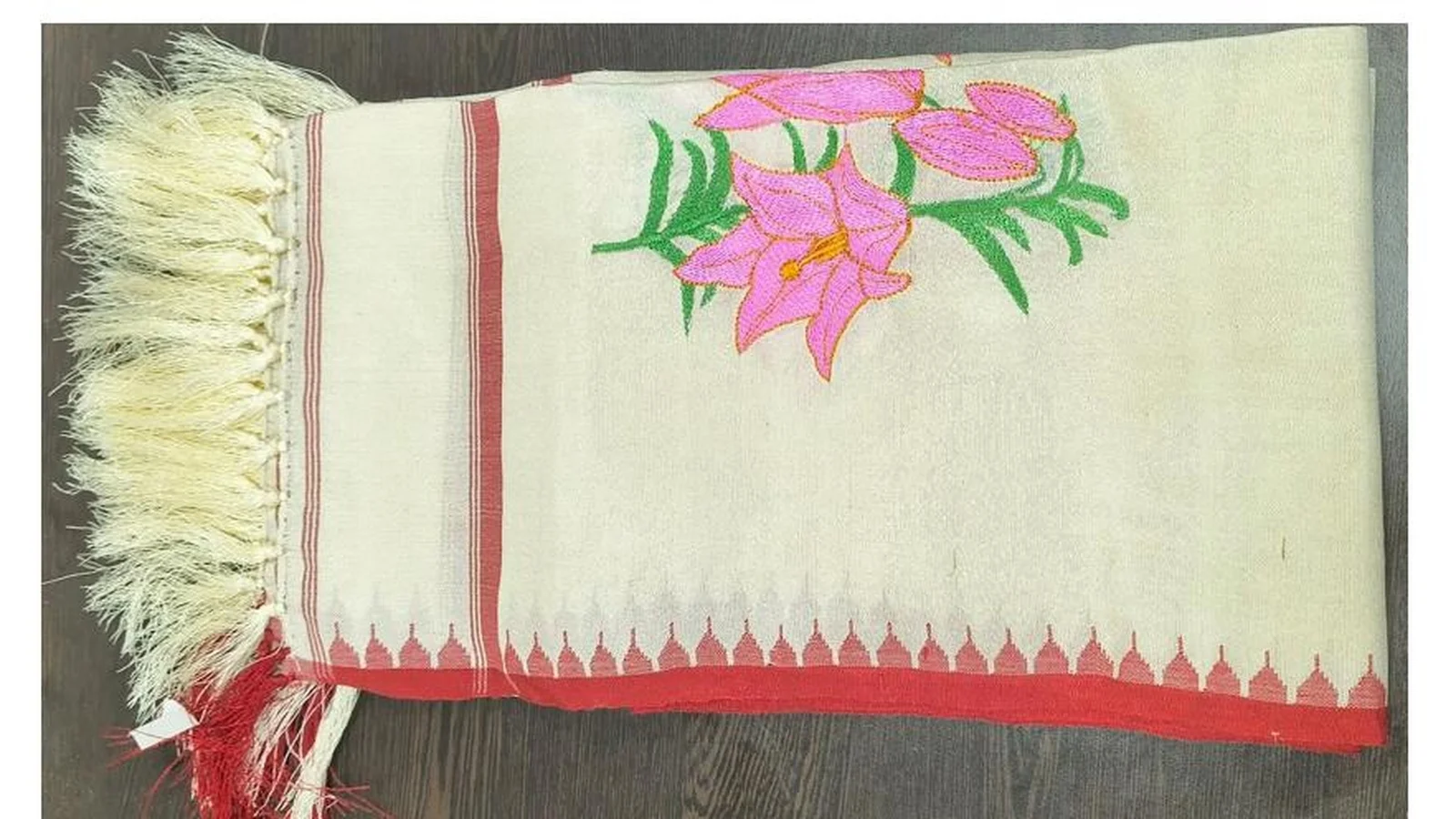
Then there was a stole with the Shirui Lily on it, a rare bloom from the Kashong Peak in Manipur. To the Tangkhul Naga people, its pale, bell-shaped petals are a matter of pride and who they are. But an Italian would see something of their own in it as well. The lily has been a staple of Renaissance art and a sign of grace for centuries in Italy, so the motif made for an easy bridge between the two.
A nod to shared art history
For President Sergio Mattarella, Modi had put together a Marble Inlay Work Box with some old recordings of Pandit Bhimsen Joshi and MS Subbulakshmi inside. The box itself is a case of Pacchikari, or Pietra Dura – a method of inlacing polished white marble with stones like lapis and coral that has its roots in Agra but can be traced back to Florence. It’s a nice example of how an art form can make its way from Mughal India and back again.
Strategic ties underpin the optics
This was the end of a five-country run for the PM, and with New Delhi and Rome in a period of closer ties, the bilateral talks in Rome were no exception. They ran through the usual: defence, trade, energy. But if you look past the online chatter, the real story of the visit was in how the leaders used art and textiles to underpin a political message. It was a way of saying that what comes next in the partnership may be built on more than just the fine print of a deal.