It’s not just talk; the Congress says the good feelings at the surface are a cover for what’s really going on: weak capital inflows, soft consumption, and a downshift in sentiment even as inflation is set to go up and growth to slow.
A shifting mood and a political flashpoint
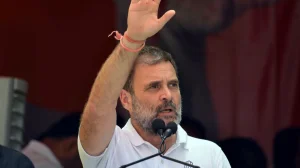
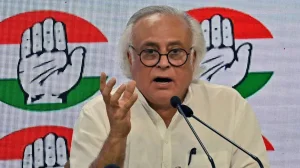
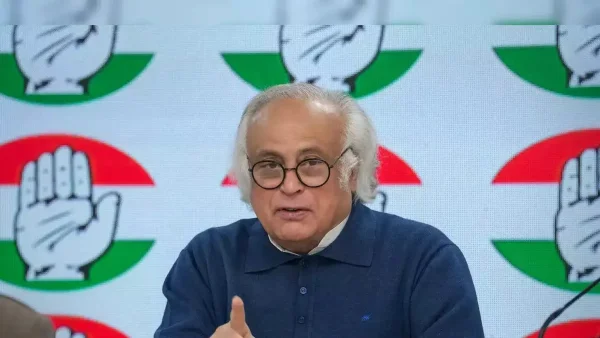
The line was drawn on 21 May 2026 by Jairam Ramesh, the general secretary in-charge of communications, in no uncertain terms. Even those who have been with the government for years are now put off by the way things are looking, he said.
Investment freeze at the core of the slowdown
Ramesh put it down to a broken loop between demand and investment. With real wages flat, people aren’t buying, and India Inc has no incentive to put in new capacity. To make matters worse, the policy side of things is in disarray. You have the flip-flops, the tax notices, the raids or the threat of them, and it leaves investors cold.
Key frictions flagged by Congress include:
– Weak consumption due to stagnant real wages
– Uncertainty from policy shifts and enforcement actions
– Import dumping from China hurting manufacturers
– Shrinking FDI and fragile supply chains
Then there are the headwinds from outside. Ramesh made much of the fact that China’s over-capacity is being dumped here, putting domestic producers out of a job.
The Congress statement was blunt about the mood in the room: “professional cheerleaders” for the government are starting to have their say. And when the PM tells the public to cut back on spending, the party sees it as an admission of how badly the supply side is being run.
Ramesh didn’t mince words on the politics of it. He suggested the government is more interested in tending to the polls than fixing the economy. The PM can handle his elections with Gyanesh – a nod to the CEC – but he could use some new Gyan on the numbers.
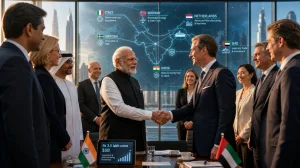
He had some fun with the optics, too, like the toffees the PM handed to Giorgia Meloni. “Here we have the toffee distribution and the sermons,” Ramesh wrote online, “and the economy is in a perilous state.”
Private investment is where it all comes down to. The Congress position is that you can’t have higher growth without a lot more private money in the system, and right now, with households being careful with their rupees, that isn’t happening.
Profits are up, capex is not
There is a fear factor at play, Ramesh said. Even a company with a strong balance sheet will think twice before locking in on a project that takes years to come to fruition. You can have record earnings and low tax rates and a hot market, but put a finger on any real investment momentum and it’s not there.
If anything, the ones with the means are moving their money out of the country. There are plenty of big announcements, but whether they ever become something you can put your hand on is another story.
Market structure and cronyism allegations
And it’s not just the macro. Ramesh has been on about the kind of corporate power that is being built up, with the government making it easy for the PM’s inner circle to make some takeovers. Modani is the poster boy for that sort of cronyism.
Why put in the work if you can just do business at the Modi Government’s Chanda Lo Dhandha Do counter? That is the question. It chills off independent risk-takers and makes for an uneven playing field.
What comes next
We have been saying this for a while, the Congress says. Now we need a radical change. No short cuts. We want to see private investment, some clarity, and for wages to get back to where they can drive consumption.
That is on the government. For the rest of us, with inflation on the rise and growth in the rear-view mirror, the opposition is saying we can’t put off a change of course any longer.