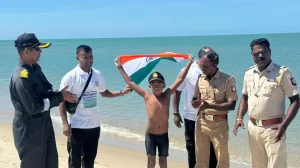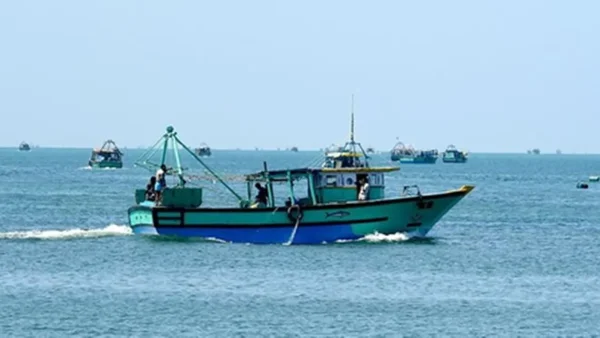
On Tuesday, these nineteen Tamil Nadu fishermen were released from Sri Lankan prison and returned to Chennai, and this brings the problems with boundaries and tensions in the Palk Strait back into the spotlight. They are home from Thangachimadam in Ramanathapuram, and their release comes as diplomatic discussions are happening and there are new requests to free the others who are still being held and give back the boats that were taken.
The Sri Lankan Navy stopped the group on March 25, 2026, because they supposedly went past the International Maritime Boundary Line. A court in Sri Lanka had them held, and after many talks with people in charge, they were finally allowed to go back to Chennai. The timing of this is when the Indian Vice President is visiting, and is considered a significant diplomatic act as India and Sri Lanka are often in disagreement about this issue.
Timeline of detention and release
The fishermen were in jail for almost a month before they could come home to Chennai. Their return is being seen as a friendly gesture from Sri Lanka, and it’s happening at a time when India and Sri Lanka’s leaders are communicating about a problem that often causes trouble.
Sebastian, one of the fishermen who was released, said when he landed that he was very relieved and asked for something directly. He said they were released because of the Indian Vice President’s visit, and thanked Prime Minister Narendra Modi for getting them out quickly. He also asked the government to do something to get the other fishermen out of Sri Lankan prisons.
Scenes at Chennai and local impact
When the fishermen got to the airport, their families were very happy and emotional to see them after worrying for weeks. All the men are from Ramanathapuram district and said it was a hard time while they were in custody and they are anxious about their colleagues who are still in jail.
People are very concerned about what will happen to the boats that were seized, because those boats are how people in Ramanathapuram make a living. Families will have no money right away without them, even though the men are now safe.
Here are the important things that have happened:
– Nineteen fishermen got back to Chennai on Tuesday.
– They were taken into custody on March tewnty-five because the Sri Lankan Navy said they went past the IMBL.
– Their release happened when the Indian Vice President was visiting.
– Families say the boats are still being held.
Recurring Palk Strait disputes
This situation is a common one. Sri Lankan authorities often arrest Indian fishermen because of disagreements about where they are allowed to fish in the Palk Strait, versus what the official sea borders are. Each arrest causes diplomatic talks and worry in the towns near the coast on both sides of the water.
Officials are continuing to work together on the cases that are still open. The Tamil Nadu government and the Ministry of External Affairs are talking to people in Sri Lanka to deal with the fishermen who are still in custody and to try and create a system that will lower conflict at sea and protect how people make a living.
What comes next
Right now, the focus is on getting the other Indian fishermen released and finding out what is going to happen to the boats. Leaders in the Ramanathapuram community say that both of these things are needed for the economy to be stable and to stop more fights on the water.
A lasting solution is the long-term goal. People involved say that there needs to be continued discussion that finds a balance between how things have been done and the official rules of the sea. Tuesday’s return was a relief for families in Tamil Nadu, but the main argument still doesn’t have a long-term solution.