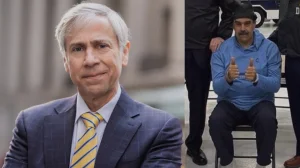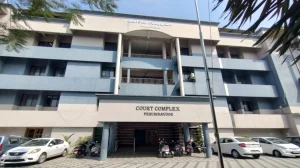
Judge Prashant Sharma said that at this stage of the legal process, the evidence the police have presented shouldn’t just be dismissed. He feels there’s a strong case that the accused have committed the crimes according to the special MCOCA law.
Back in March 2021, the Special Cell of Delhi Police started an investigation (an FIR) into what they say is Jathedi’s organised criminal group, naming 19 people including Bishnoi. Some of those accused are also being charged with breaking the Arms Act and the Explosives Act because they had illegal weapons.
Charges under MCOCA, Arms and Explosives
The court has ordered several things: charges under sections 3 and 4 of MCOCA, using the Arms Act and Explosives Act in the case, having all twenty accused go to trial, and formally stating the charges on April re.
The court said Jathedi and his associates formed a criminal group and got rich by demanding money from people, using violence, frightening them, and forcing them to give them what they wanted.
Prosecution claims of a jail-run syndicate
Police in Delhi say the accused were part of a criminal organisation that was running from jail. They are accused of murder, attempting to murder, robbery, kidnapping, getting money through threats, frightening people, and attacking people, all in order to make money.
The police claim many mobile phones were found with gang members in prison and were used to plan crimes. Investigators also say members of the group were living very well in prison, with a lot of money going into their accounts. They allege this money from extortion was used to buy weapons and continue their criminal activity.
Evidence cited by the court
Judge Sharma’s 79-page decision mentions statements from people who witnessed things, documents, permission from authorities, maps of locations, official records, and confessions. The court says all of this supports the accusations at this point in the process of deciding on charges.
A large amount of weapons and ammunition was found with some of the accused. Sampat Nehra, Jagdeep, Rajkumar, Ravinder Singh, Naresh and Priyavrat (also known as Fauji) will also be charged under the Arms Act. Eight grenades allegedly found with Priyavrat mean he will be charged under the Explosives Act.
People who gave statements to the police said the group collected a lot of money from local business people, liquor store owners, and other shopkeepers as ‘protection’ money. The court says this money was used to buy weapons to carry out the gang’s activities.
How the group operated, according to investigators:
– Getting money from business owners and shopkeepers
– Arranging for people to be killed because of protection money
Information from various jails shows the accused apparently living a very comfortable life and spending a lot of money while in prison. Investigations show they were actively running the criminal group from inside prison, using phones found during searches to organise crimes.
Network footprint in and outside prisons
Some members were operating from Thailand, Canada and the United States using fake passports. Rajkumar and Virender Pratap were arrested by the police in Thailand and sent back to India. It is said their expenses were covered by money from their crimes, and they were involved in very serious crimes.
Based on previous FIRs (police reports) and official charges, gang members have been repeatedly linked to robberies and dacoity (a type of robbery). The court says they supposedly stole large amounts of money from people, creating a climate of fear and causing injuries.
Profile and past cases against Bishnoi
Delhi Police say Bishnoi is in charge of a ‘criminal empire’ of t00 people. He is involved in 84 cases across Punjab, Rajasthan, Haryana and Delhi. He has been in jail since 2014, after being in a shootout with police on the way to the Salasar Balaji Temple in Rajasthan.
He is currently in Sabarmati Central Jail in Ahmedabad, Gujarat. Since 2007, when he was first arrested for allegedly shooting at a student running for election at Panjab University, he has been connected to a number of important cases, including allegedly being involved in the murder of Sidhu Moosewala.
What MCOCA aims to tackle
MCOCA is used against organised crime including extortion, arranged killings and drug dealing. It allows for stricter punishments and special ways of dealing with complicated criminal groups, with the goal of breaking up how they get their money and operate.
What happens next
The court will officially state the charges on April 30th. After this, Bishnoi and the 19 others will be tried under MCOCA, as well as the Arms Act and Explosives Act if they apply.
This case shows how criminal groups are supposedly using prisons and places in other countries to hide. It also shows how much is at stake for the police, businesses and people in the community who are being threatened and extorted, as investigators try to track down the flow of money and weapons used by these groups.