The Army didn’t see the attack as a single, unfortunate event, but as something that deserved a reaction, and sent a warning to terrorist groups and the countries that support them. On April 22nd, 2025, gunmen had killed 26 people in Baisaran meadow, Pahalgam, including tourists and a local pony owner; India blamed Lashkar-e-Taiba, a group based in Pakistan.
How Operation Sindoor unfolded
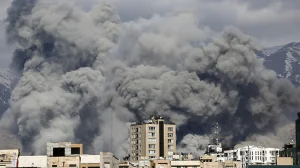
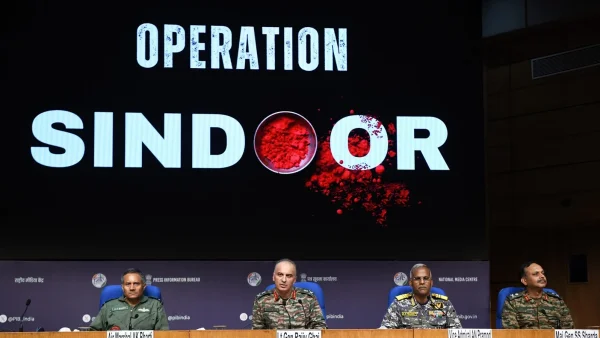
On May 7th, 2025, India began Operation Sindoor, attacking terrorist locations in Pakistan and Pakistan-occupied Jammu and Kashmir. They focused on places connected to Lashkar-e-Taiba, Jaish-e-Mohammed, and Hizbul Mujahideen, intending to make it harder for them to plan attacks and give orders. India says they destroyed nine places where terrorists were getting ready to cross the border, and killed over 100 terrorists. The operation was designed to be fast, accurate, and a surprise, but also to avoid making the situation too much worse, with carefully chosen targets and clear instructions from the politicians in charge.
Air, land, and sea coordination
From the beginning, all parts of the military worked together. Real-time information from spies, attacks from the air, and the army being ready on the ground all happened at the same time. The goal was simple: to stop attacks coming from across the border and to make those who help them pay a price. Leaders of the army, air force and navy all said how well they cooperated, and how they were given the freedom to act as needed. The head of the Air Force said this operation showed how good the Air Force is at being precise and ready to go, even when provoked unfairly. The Navy sent a fleet of ships to the northern Arabian Sea, which restricted Pakistan’s navy and kept their ships in harbour. The Navy head said they were only minutes away from attacking by sea, but they stopped.
A four-day confrontation and its aftermath
India also attacked and destroyed radar stations near Lahore and Gujranwala. The army getting ready for battle broadened the options for how to respond, and soldiers were ready to fight if the situation got more serious. Pakistan responded with drones and missiles. India tracked and stopped them, but didn’t overreact, and this exchange of attacks went on for four days.
On May 10th, after talking to each other, the military forces on both sides agreed to stop attacking. Things calmed down at the border, although India made it clear they would continue to act as a deterrent, and any future problems would be met with a quick response.
In the months since, people have started going back to Pahalgam as tourists and the meadows are busy again. This return shows some confidence is back, but the authorities say they are still being careful.
Policy shifts beyond the battlefield
India didn’t just respond with military action. They cancelled the Indus Waters Treaty (an agreement about sharing river water) and stopped all trade with Pakistan, a bigger change intended to reduce Pakistan’s influence and avoid things going back to normal while terrorism continues.
Within Kashmir, Operation Mahadev resulted in the deaths of three terrorists connected to the Pahalgam attack. Throughout the country, the government started Mission Sudarshan Chakra, which aims to stop people from crossing the border to cause trouble and to improve the ability to attack in all areas.
All of these things together show India is being strategically patient but also has real, powerful capabilities in many areas. They also support the political idea that the country won’t make a difference between those who plan the attacks and those who help them.
But beyond what’s in the news, families are trying to rebuild their lives. Prasanta Kumar Satapathy’s widow said she’s grieved every day for a year, and has had new problems. She said life continues, but she hasn’t had a single day without thinking of him. She received some money to help, but the government job she was promised hasn’t happened. She is asking the authorities to keep their promises about jobs and help with her child’s education. This shows that being held accountable extends beyond winning on the battlefield.
Making sure that help and rebuilding happens quickly and openly is part of achieving justice, and is also essential for the public to continue trusting the government after a terrorist attack.
Security has been increased at tourist areas in Kashmir, especially Pahalgam. Those in charge of security have been told to be aware of possible trouble around anniversaries and in places with lots of people.
New rules now include checking the backgrounds of anyone providing a service or selling things, including pony owners. A QR code system now identifies all those providing tourism services in Pahalgam, for quick verification and more reassurance for visitors.
As the anniversary has passed, the Army’s message is still clear: they are deterring attacks now and will be ready for them in the future. Military leaders say Operation Sindoor is still having an effect, both in how things are done and strategically. And the promise that "India does not forget” is based on remembering, being vigilant, and following through for those who have been most affected.