India’s oil imports dropped a lot in March; the conflict in the Middle East made it hard for ships to go through the Strait of Hormuz, according to data on shipping. India imported about 4.5 million barrels a day in March, about 13% less than the 4.5 million barrels a day in February before the conflict, and roughly half of that came from Russia.
March import decline and key data
The shipping data shows India got around 4.5 million barrels of crude oil a day in March. Russia almost doubled its exports to India to approximately 2.25 million barrels a day, and this covered a big part of the decrease in shipments from the Middle East.
Deliveries from the Middle East were down about 61% to roughly 1.18 million barrels a day. In March, Middle Eastern oil made up only 26.3% of India’s oil imports, the lowest amount ever, and this means India quickly found new sources for its oil.
Strait of Hormuz disruption and immediate effects
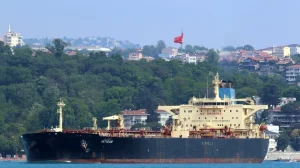
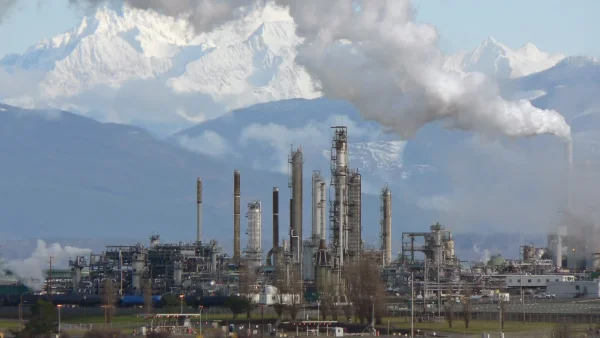
After both military and general shipping restrictions disrupted the passage of ships, traffic through the Strait of Hormuz (which usually carries about 20% of all the oil in the world) slowed to almost nothing. Several attacks on ships trying to go through the strait, plus the stoppages, made sending oil from the Middle East more risky.
Over the last two months, only a few oil tankers went to India, and because of this, oil refineries had to look for different types of oil and different places to get it. The decrease in oil from the Middle East directly caused the overall drop in imports for the month.
Shift to Russian and African supplies
In March, Russian oil became India's main supplier, and this included buying oil from tankers on the ocean. New Delhi (the Indian government) quickly bought this oil after the U.S. said it was okay to buy Russian oil on tankers at sea under specific rules.
The U.S. then renewed this permission for a limited time, which will allow countries to continue to buy Russian oil on tankers. Saudi Arabia became India’s second largest supplier, and Angola moved to third as refineries bought more oil from Africa to replace the oil that used to come from the Middle East.
OPEC share and fiscal year context
Because India bought less from the Middle East, OPEC’s share of India’s imports went down to about and this is a record low. This shows how quickly unexpected problems with getting things delivered can change who supplies the oil.
When looking at the full year to March 2026, India bought roughly 6.2% less Russian crude oil than the previous year, because refineries bought a little less from Russia, considering the bigger picture of trade and how India deals with other countries. Over the entire year, Russia’s share fell to about 33% from 36%, which is different from what happened in March.
Market implications and outlook for refiners
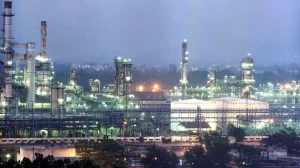
Refineries are facing higher costs for shipping, insurance, and changing the route of the oil, and they also have to manage the quality of the oil and how the refineries run. Relying more on oil in tankers and suppliers far away can increase the difference between how much oil costs and how much it costs to turn it into gasoline, but it also makes running the refineries more complicated.
In the near future, what’s going on in the world will likely continue to be the main reason for India’s oil buying choices. If the Strait of Hormuz is still restricted, Russia and Africa will probably remain important to India’s oil plans, although changes in policy and if the U.S. renews its permission will affect the flow of oil in the coming weeks. Those in the market will need to carefully watch shipping data and what’s happening in diplomatic talks.