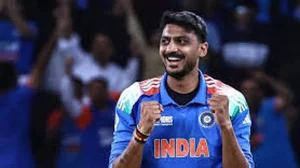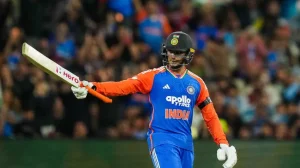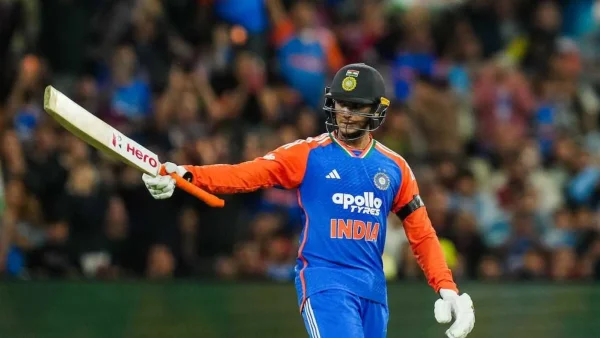
The National Anti-Doping Agency’s list for each three-month period includes 348 athletes who are required to say where they are every day, in case they are tested when not competing. Abhishek and Axar now join established international athletes in all sports, and must give their location so doping control officers can find them for a test with no warning.
Details of the Registered Testing Pool update
NADA’s list for each quarter names athletes who must provide a one-hour time slot each day when they can be found for testing. Providing this location is something all 348 athletes, including Abhishek and Axar, must do.
If an athlete fails to accurately state their location three times in a year, it’s considered a rule violation relating to doping. This applies to these cricketers, and all others on the list, and shows that top sports people have responsibilities both when competing and in their administrative work.
Updating the list each quarter is a normal part of fighting doping in sport, and who is included is based on when they will be competing internationally and how likely they are to be at risk. Being on the list shows the athlete is a high priority for testing and needs to carefully follow all the anti-doping rules.
What RTP inclusion means for players and teams
For Abhishek Sharma and Axar Patel, being on the list means they will be tested more often as they prepare for both domestic and international games. They will have to balance their training, travel, and what they do in their free time with accurately completing the required information in the anti-doping system.
Usually, national teams and the people supporting the athletes help them with the process of reporting where they are to avoid mistakes. However, the athlete is ultimately responsible, and the team will check they are doing it correctly to protect the athlete’s ability to play and their good name.
Being on the list can also influence how the team plans for matches and what medical care the athlete receives. Teams and doctors work closely together to make sure any medicines or supplements the athlete uses are allowed and don’t break the rules, while they are training and playing.
Cricket representation on the RTP
There are 14 cricketers on the list, and many important players are still on it. Shubman Gill (Test and ODI captain), young batsman Yashasvi Jaiswal, and all-rounders Hardik Pandya and Rishabh Pant are all included.
Fast bowler Jasprit Bumrah, KL Rahul, Arshdeep Singh and Tilak Verma are also on the list. From the women’s team, Deepti Sharma, Shafali Verma and Renuka Singh Thakur (from the team that won the ODI World Cup last year) are also on it.
These cricketers are on the list because of how much they play for their country and the possibility of being tested when they aren’t at a competition. It also shows that authorities fighting doping are giving importance to sports that are played all over the world and have complicated support teams.
Athletics remains dominant in the RTP composition
Athletics has the most athletes on the list, increasing from 118 to 134 this quarter. This confirms athletics as the biggest single sport on the list, and shows how many athletes there are and how important testing is, especially with big championships happening.
Important athletes from all types of athletics are on the list: Avinash Sable (steeplechase), Jyothi Yarraji (hurdles), Tejaswin Shankar (decathlon) and Animesh Kujur (sprint). Shaili Singh and M Sreeshankar (long jump) and Tajinderpal Singh Toor (discus) are also prominent.
This is similar to how anti-doping organizations around the world decide where to use their resources – where there is a lot of competition and a lot of risk. Being on the list means athletes will be in contact with those carrying out tests more often and will be watched closely regarding their medical care and what supplements they take.
Diversity of sports and wider implications
The list includes many sports, not just cricket and athletics. Deepika Kumari and Rakesh Kumar (archery) and Sheetal Devi (para-archery) are included. In hockey, Manpreet Singh and Harmanpreet Singh are listed.
Eight badminton players are on the list, including P V Sindhu, Lakshya Sen and Gayatri Gopichand. There are 22 boxers on the list, including Nikhat Zareen, Nishant Dev, Jaismine Lamboria (all world medalists) and Lovlina Borgohain (Olympic bronze medalist).
Wrestling has 31 athletes on the list, including Aman Sehrawat (Olympic bronze medalist). The number of different sports shows that the effort to fight doping is looking at all kinds of sporting situations and protecting the well-being of athletes in all sports.
The updated list for April-June from NADA makes it clear that top athletes like Abhishek Sharma and Axar Patel have more testing and administrative work to do. Following the rules is still the most important thing for fair play, and regular updates to the list help make sure testing resources are used in line with international schedules and what is important for sport in the country.