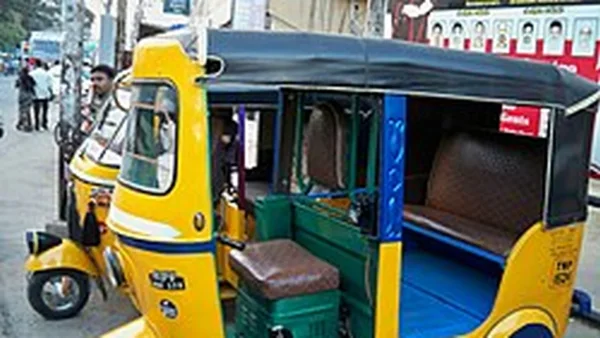
This week in Delhi, many of the green and yellow auto-rickshaws were covered in red, white, and blue. The “Happy Birthday America” auto-rickshaws, part of Freedom250, really got people’s attention and quickly were all over social media; opinions were strongly divided and clearly had a political edge.
A flashy kickoff to Freedom250 in India
The US Embassy in India started Freedom250 (the build up to the 250th anniversary of the US becoming an independent country in 2026) by putting images and “Happy Birthday America” and “250 Years Old” messages on auto-rickshaws all over the capital city.
Some of the designs even included big pictures of Donald Trump with typical American icons. Sergio Gor, the US Ambassador to India, announced on X (formerly Twitter) that the auto-rickshaws were starting a larger trip around the country to show how the US and India work together.
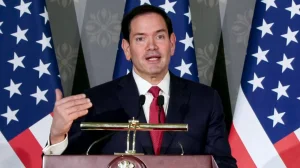
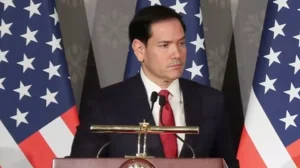
Pictures of the Ambassador with Indian politicians as the campaign began were also posted. The US clearly intends to celebrate its 250th anniversary in India in a very public, visible, and lively way.
Social media backlash over auto stereotypes and political branding
However, almost as soon as they appeared, people in India online began to criticize them. Many said that using auto-rickshaws represented a stereotypical and outdated view of India. Several people felt the Embassy should have used electric buses, the subway system, or companies making electric vehicles instead.
Some people also wondered if public transport in India should display the face of someone from a foreign political party, even if it’s meant to be a cultural or diplomatic gesture. A complaint that was widely shared said that if the situation were reversed, Americans would probably not like to see Indian political advertising on the streets of the US.
People also noted that auto-rickshaws in Delhi are commonly used for public service announcements, political posters, charity work, and advertisements. Despite that, many thought a branding effort led by the embassy was different, and especially so because of the images used and when they appeared.
Humor, sarcasm, and sharper edges
The argument online also had the usual playful tone of Indian internet culture. A lot of sarcastic posts joked that India was being taken over by the US. Others used current movies, TV shows, and other aspects of popular culture, and said there would be many jokes and references to Lego.
More serious responses connected the campaign to conflicts happening around the world. People posted that the auto-rickshaws should show pictures of people hurt in wars or that the diplomats should “stop the war first.” One particularly sharp and memorable comment said, “Imagine Trump-themed rickshaws in the lines for CNG (compressed natural gas).”
Geopolitics bleeds into the comment section
The auto-rickshaws were launched in Delhi at a time when the war in Iran was making tension in Western Asia and the Gulf region much worse. Discussion threads were full of references to a possible lack of oil and gas, and people connected the long lines at CNG stations with the newest problems in the region and the risk of not having enough fuel.
Some people said that problems with the Strait of Hormuz were already increasing fuel prices and made the sight of auto-rickshaws with American branding in India even more noticeable. Others used this as a chance to discuss the long-running disagreements in trade between the two countries and how slowly a complete trade agreement is being made.
Some people pointed out that US policy in the region seemed to be sending mixed messages, because the US is contacting Pakistan during the crisis and claiming to be a mediator in South Asia. People who liked the campaign said it showed things were improving and saw the auto-rickshaws as a harmless way to increase the US’s influence.
Public diplomacy meets political optics
Diplomacy frequently uses symbols that can be understood in many places. Auto-rickshaws that have been branded are inexpensive, easily seen, and are very much part of the local area. They’re a smart marketing strategy. But they can cause problems if they show a person who a lot of people disagree with.
The disagreement shows the main problem with public diplomacy: deciding where to stop between celebrating a culture and pushing a political point of view. National symbols, shared beliefs, student exchange programs, and working together on technology or climate change generally don’t cause as many problems.
On the other hand, images that focus on a politician can cause people to resist, especially when there is so much political information in the media. The Freedom250 auto-rickshaws said as much about the Indian public and their ability to use media as they did about the relationship between the US and India.
What rules govern ads on Indian public transport?
In Indian cities, outdoor advertising usually needs permission from the city government or transportation authorities and must follow rules about being proper and safe. Auto-rickshaws, which have been used as moving billboards for a long time, frequently carry political, business, and charitable messages.
Whether campaigns by foreign governments are looked at more closely depends on the city and how they are done. Being open about who is paying for something and not being on one side of a political issue usually cause fewer issues. In this case, the line between marking a cultural event and political branding caused the criticism.
The Freedom250 road ahead in India
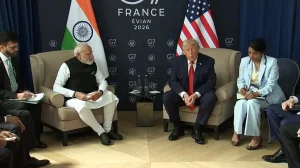
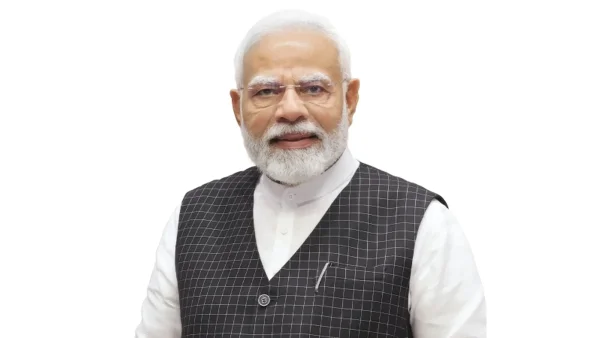
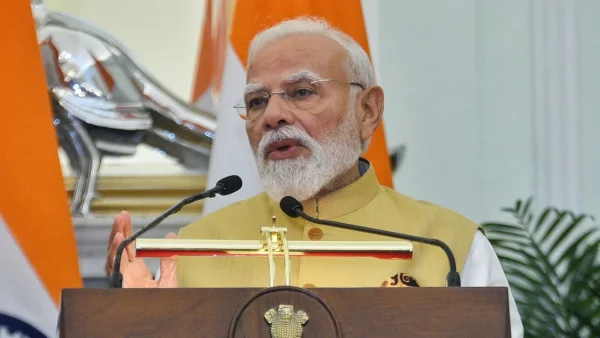
The Embassy said that the Freedom250 trip will go beyond Delhi, and that there will be more events up to 2026. The launch of the campaign followed a phone call between Prime Minister Narendra Modi and Donald Trump, in which both of them said they were making progress in working together and discussed security in the region.
There are reports that high-level officials will be visiting soon, which could help the plans. As these plans continue, the lesson from Delhi is clear: working with the public in India is most successful when it feels like a partnership, is up-to-date, and understands the local area.
We can expect more attention on joint shows of new technology, clean energy, and education exchanges. Changing to focus on electric vehicles, places where people make things, student computer programming competitions, and showing off small businesses could create the same kind of energy on the streets without the political problems.
For now, the Freedom250 auto-rickshaws have done what a good “soft power” strategy does: they’t got people talking. But they also gave a great example of how things look today. During a time of war news, unstable energy prices, and a constant stream of social media, even a birthday party on wheels can be seen in many different ways.