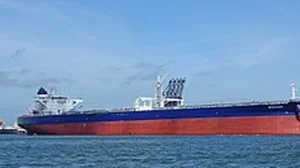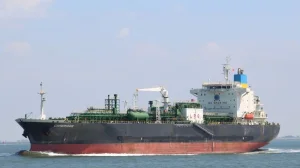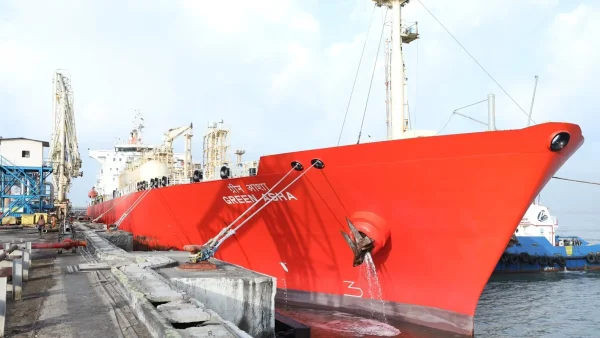
There’s been a big increase in these ‘ghost ships’ making it harder to enforce the U.S. blockade in the Strait of Hormuz, and Iranian-linked ships are increasingly using hidden methods to test how strong the new, stricter blockade is. Companies that track ships by sea say more and more ships are either disappearing from tracking systems or are falsely stating who they are. This is turning a waterway that’s already small and carefully watched into a place where information is the battleground.
Ghost Ships and ‘Going Dark’ Tactics
Ship tracking systems, and the Navy watching the sea, show that more ships are switching off their AIS transponders. AIS is the main technology for tracking large ships in real time. When these trackers are turned off, it’s much harder to keep an eye on things normally, and those in charge have to use other sources of information like satellites, radar, and people to find ships that are acting suspiciously.
Experts also say many ships are ‘spoofing’ (falsifying) information, or using “zombie” identities. This means a ship sends out the ID of a different ship, or incorrect information about where it is going. Ami Daniel, the CEO of Windward (a company that analyzes maritime activity), says ships are changing their ‘digital fingerprints’ to hide where they come from, where they are going, or even what they are carrying.
Shadow Fleet Playbook and Sanctions Evasion
These tricks are like those used by hidden fleets in other conflicts around the world. In those cases, operators will change the country a ship sails under, let the ship’s papers get very old, or make the line of owners confusing, all to avoid penalties. Spoofing and hiding a ship’s identity mean it can disappear in one location and reappear somewhere else with a changed history and missing sections in its tracking record.
These patterns show that there are organized ways to keep goods moving despite the restrictions. Analysts warn that because of who owns the ships, companies that are only a front for others, and the lack of strict oversight by the countries where ships are registered, these hidden operations can continue on shipping routes all over the world.
US Blockade Enforcement and Intelligence Limits
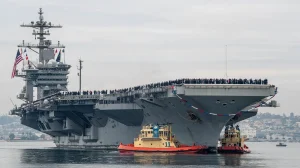
The United States has many naval vessels in the Gulf of Oman and nearby waters, and they are watching commercial ships. There have been reports of several merchant ships being stopped and checked after they moved in unusual ways, or their tracking data didn’t make sense.
However, enforcing the blockade still depends on getting good information, and quickly. Maritime investor Erik Bethel points out that a blockade is only as good as the information that supports it. Spoofing makes it hard to know who is doing what, and complicates the decisions about stopping, inspecting, and taking legal action against ships.
A recent report by Windward says that ships connected to sanctions or using false flags are still operating, and are seeing how far the enforcement of the blockade can be pushed. This is a game of cat and mouse in the Strait of Hormuz, where ships are being detected, trying to trick those who are looking, and being stopped, all in real time.
Geography, Detection, and Escape Routes
Even though these ships are doing a lot to trick people, experts don’t think the blockade will be completely broken. This is because the Strait of Hormuz doesn’t have many routes through it, and the Navy is watching closely. Stopping a ship is still possible, but it needs combining information from satellites, radar, and the ports to make up for the gaps when a ship turns off its AIS.
The narrowness of the waterway works both ways: it limits where ships can go, but it also brings all the traffic into a small area, making it easier for people watching to spot anything unusual. Still, people using these tricks can take advantage of a moment when the sensors aren’t working, or because of a problem with paperwork, to get goods through for a short time.
Implications for Shipping, Markets, and Policy
This hidden activity at sea raises the danger to the global oil market, because it creates uncertainty about how much oil will flow, how much insurance will cost, and how reliable the supply chain will be. Even if these hidden ships have a little success, it could cause oil prices to go up and become more unstable.
People in government and in the oil industry need to have a better understanding of what is happening at sea, a way to check that the AIS information is correct, and international cooperation on how ships are registered and who owns them. Using freely available information alongside secret information and the law to punish those who help these ships operate can reduce the space for ghost ships to work, and keep the Strait of Hormuz open for legitimate trade.