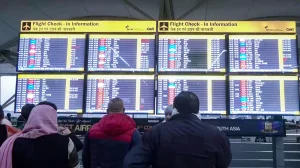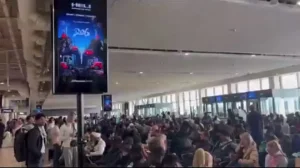
On February 28th, 2026, the Department of Culture and Tourism in Abu Dhabi sent out a notice to all hotels. It said that hotels should allow guests who were stuck to extend their stays, and to send the bills to the department to be paid back.
What hotels are required to do
The notice tells hotel managers to let guests whose departures are stopped by things they can’t do anything about, to stay longer. Hotels should not ask guests to pay for the extra nights – the department will cover those, so travelers won’t have an immediate money problem.
The order refers to Law No. 8 of 2018, which set up the Department of Culture and Tourism Abu Dhabi and gave it the power to manage and support tourism. Hotels were also asked to send the related bills to a specific email address, so that they could be paid back quickly.
How to invoice and get help with operations
To make paying hotels back easier, hotels have to show the original booking, how long the stay was extended, and any operational problems. Clear bills and proof of the guest’s details will make payments faster, and will cut down on paperwork for both hotels and the tourism authority.
The department gave out contact details for its business continuity team, to help hotels deal with practical things and any urgent operational needs. This working together is to keep the quality of service for guests, and to make sure hotels get paid by the government without delay.
What this means for travelers and hotels
For travelers, this means no more worry about unexpected hotel bills when travel is not certain. It allows families and people on business to have time to change their flights or finish any health and safety requirements, without immediately worrying about money.
For hotels, the rule means they will not lose money they might have lost from waiving fees and cancellations. It also helps the wider business to remain stable, by making sure hotels can continue to operate without having to deal with long periods of guests not paying for extended stays.
Similar steps in Dubai and working with others in the area
Dubai’s Department of Economy and Tourism also issued similar advice, asking hotels to allow extensions on the same terms as the original bookings, and to tell the department what was happening. The same approach in Abu Dhabi and Dubai is to reduce confusion for people who run businesses and guests throughout the United Arab Emirates.
When things are coordinated, it is easier for airlines, hotel groups and travel agencies to plan for emergencies. It also gives a clear message to visitors that the authorities are actively working to reduce the effects of problems, and to protect the travel industry during instability in the area.
What travelers who are stuck should do
If you are affected, contact the hotel reception at once to make sure the extension is agreed, and to ask for written proof that the bill has been sent to the tourism authority. Keep copies of your booking, your ID, and any notices from the airline about flights being canceled or delayed.
Keep up to date through the official channels of the department, and alerts from airlines, for news about travel restrictions and when flights will start again. If necessary, contact your airline and your country’s consulate for help with changing your flights or getting urgent travel papers.
This temporary rule is to protect public safety and the good name of tourism while flights are not certain. By paying for longer hotel stays, Abu Dhabi makes it easier for travelers in the short term, and helps hotel businesses get through a period of problems in the area.