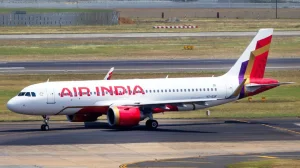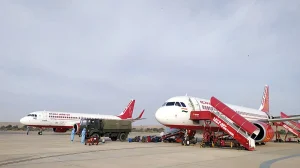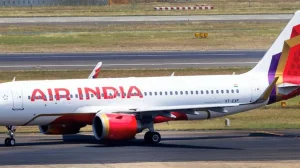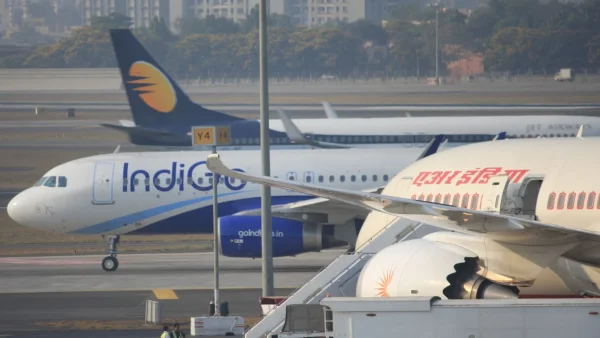
Air India and IndiGo have continued a number of international flight suspensions as the fighting in the Middle East leads to a lot of airspace being closed and problems with world travel. Air India cancelled 22 more international flights for Sunday, bringing the total number of international flights they’ve cancelled to 50. Indian airlines are expecting about 444 international flights to be cancelled on March 1st, because of the limits on airspace.
Scope of Cancellations and Key Routes Affected
Air India has listed a number of long-distance routes among those cancelled, including flights from Mumbai to London, Delhi to Birmingham, and Bengaluru to London (Heathrow). Other routes that are affected are Delhi-Amsterdam, Delhi-Zurich, Delhi-Milan, Delhi-Vienna, Delhi-Copenhagen and Delhi-Frankfurt. The airline gave specific flight numbers for a number of the flights.
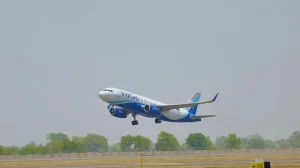
IndiGo has also said it is temporarily stopping some international flights which use Middle East airspace, and is keeping this in place until March 2nd, 2026, 2359 hrs IST. The large number of cancellations together shows how quickly limits on airspace in a region can turn into big problems for networks of airlines that depend on flying over the Middle East.
Safety, Regulation and Airline Responses
The aviation regulator DGCA is working closely with airlines to make sure they follow safety and operating rules. Airlines have said that they are constantly checking and carefully judging the risks that are changing, as the reason for making more cuts to flights. Statements from the companies stress that the safety of passengers is the most important thing, while they change schedules and flight plans.
In terms of how things work, changing the routes of flights to avoid airspace that is closed causes problems with fuel, time and managing flight slots. Longer flight times increase costs and make it harder to turn planes around, schedule crews and make connections. Airlines are managing these difficulties in operations while giving updates and options for changing bookings to passengers who are affected.
Passenger Impact and Practical Advice
People travelling on routes that are affected are facing flights being cancelled, delays and needing to rebook or get their money back. Connections and trips going further may be broken, especially for passengers on long distances who planned to change planes at hubs in the Middle East. Cargo being sent that relies on these routes may also be delayed.
Passengers should check the latest information on their flights with the airline and look at the policies for changing bookings and getting refunds. It is essential to contact the airline directly or use official customer service. Travel insurance which covers cancellations and problems may be useful, so keep documents and receipts for making claims.
Industry and Economic Implications
The stopping of key routes for flying over can have real financial effects on airlines and airports. Airlines face higher costs for operating from longer routes, fuel use and changes to schedules. Delays to cargo can affect supply chains, goods which need to arrive quickly and planning of logistics in a number of industries.
The organisation of airport slots and limits on how long crews can work add more difficulty. If the closures continue, airlines may move capacity, put off shipments or change seasonal plans. Insurers and regulators will probably watch claims and what is being done as the situation develops, affecting wider judgements of risk in the industry.
Outlook and What Travelers Should Watch
For the time being, statements from airlines show that they are continuing to check and temporary suspensions are linked to conditions in airspace. Travellers should watch for announcements from their airline and official aviation authorities for the latest advice and the possible restarting of flights over the area. IndiGo has set a particular extension to March 2nd, 2026, while other airlines will update timetables as conditions allow.
You should expect updates on alternative routes, new departure times and what is being done for customers. As the political situation in the area changes, airspace being reopened or continuing to be limited will decide how quickly normal service can start again. Having details of your ticket and ways of communicating handy will help passengers deal with what happens next.