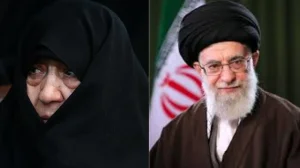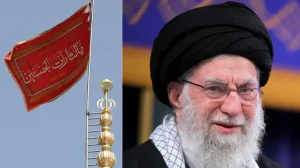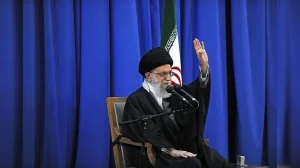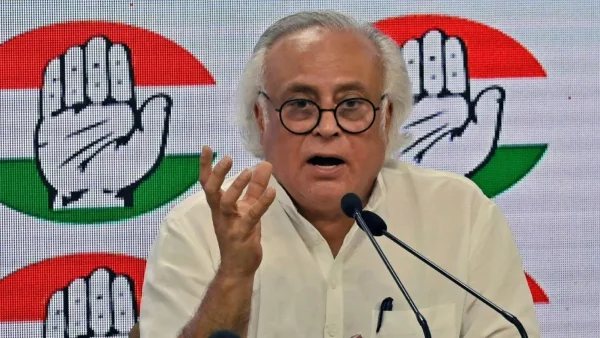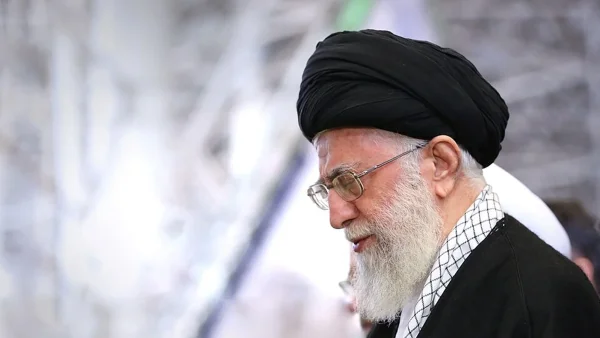
The embassy showed ‘deep sadness and loss’ over Khamenei’s death and said the attack broke international law. It requested ‘independent, free nations’ to speak out against the strike and not to be silent over what it called illegal action and aggression.
The statement made clear the U.S. and Israel would suffer ‘serious results’ from what they had done. It also said Iran would carry on its work with ‘power, toughness and resolve’, and the deaths of those killed would strengthen the nation’s will.
What happened with security and the IRGC’s response
Iran’s Revolutionary Guard Corps at once promised to get back at those responsible and said it would attack American military installations in the area. The IRGC said its answer was only a start and warned of more powerful actions against U.S. and Israeli targets.
State news outlets confirmed Khamenei’s death in the early hours of March 1st, and security people said there was a higher state of alert throughout the Middle East. Movement of the military and missile fire could make things worse, and create fears for peace in the area and for people who weren’t in the fighting.
Who would lead for now, and the constitutional process
Iranian people in government said a temporary leadership would take over the duties needed by law. A three-person group – made up of the president, the head of the courts, and a legal expert from the Guardian Council – would for the time being be in charge of the country, as per Article 111 of the constitution.
Important officials said the Assembly of Experts had to meet to pick a successor as quickly as it could. That body of 88 clerics alone has the legal right to name a new Supreme Leader – a process that might be quick or slow, depending on if politicians could agree.
What part would Mojtaba Khamenei play, and the problems with picking a new leader
Mojtaba Khamenei – the late leader’s second-oldest son – quickly became one of the names talked about as someone who could take over. He has long been seen as a strong, but unclear, person with close links to the Islamic Revolutionary Guard Corps and Iran’s security services.
Even with his power, Mojtaba has problems. The constitution usually wants the Supreme Leader to be a top cleric with known religious power. He does not have the highest rank in the clergy and passing the job to a family member is politically risky in a system built on doing away with rule by birth.
What this means for the area, and what’s at stake for the world
The death of a current Supreme Leader is a huge change with wide effects for the region. Friends and enemies will rethink their plans as stability in Iran, who it works with, and energy markets respond to what happens next.
Talks between countries could be put under strain with more and more requests for someone to be held to account, while trade blocks, military exercises and cyber-warfare might grow. What people say online and public protests all over the world will likely affect how governments act and how quickly the world condemns what has happened.
The next few days will test how well Tehran’s institutions can survive, and if global powers can stop a wider war. The Iranian embassy in India made its plea around a simple request: do not remain silent.
This time is full of big questions for Iran’s politics at home, and for peace in the area. The Assembly of Experts has a hard job to do in picking a leader who can both have the approval of the clergy and the backing of powerful security groups. At the same time, requests for calm and legal accountability will shape world talk as events go on.