The Taliban-led government in Kabul says it was only a matter of time before they hit back. They sent in air and drones to Balochistan and Khyber Pakhtunkhwa to root out militants, calling it a direct answer to what they see as unprovoked Pakistani aggression that has cost at least 13 of their people. The UN puts the number of those uprooted by the border violence at over 94,000.
Targets, claims, and a warning from Kabul
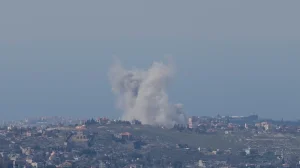
The Ministry of Defense in Afghanistan is on record saying its Air Force made short work of what it termed ‘centres of corruption-monger elements of Daesh’ with ties to Nasrullah, or ‘Jal-Jalalah,’ on the other side of the border. Then there was another one: an official put a Daesh-Khorasan site in the Qambar Khel part of Orakzai Agency in the crosshairs.
“We can tell you from the start that we hit what we set out to,” a government mouthpiece put it. The ministry was clear: if you are a threat to our stability, we will use every tool at our disposal to make sure you are no longer one. As for any pushback from the Pakistani side, there has been none so far.
Why the border flared again
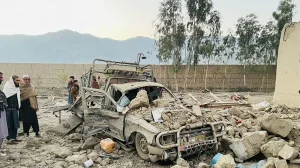
You have to look at last week to understand this. The Taliban called it even for some Pakistani airstrikes in Nangarhar and Paktia that, in their telling, put Afghan women and children in the ground. Islamabad, for its part, says those were part of Operation Ghazab Lil-Haq, a military effort aimed at the Tehrik-i-Taliban Pakistan and ISIS-K. If you believe the reports coming out of Afghan circles, Pakistan’s precision work was meant for key infrastructure in Nangarhar and Paktia, with some in Kabul and Kandahar as well. In Paktia, they say a Taliban corps HQ is gone. Up in Nangarhar, PAF planes put a stop to a number of bases and depots.
Humanitarian toll and regional fallout
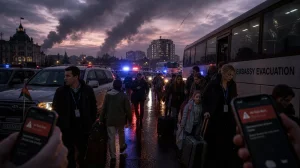
It is the civilians who are feeling the heat. The UN has numbers to back it up: 94,000+ in the eastern provinces have been forced to move, and there are dozens of non-combatants among the dead. Health clinics, places of worship, and aid stations have all seen their share of the damage. This is not new. Tensions have been running hot since October 2025, with or without a truce. What we are seeing now is a return to the kind of military posturing along the Durand Line that has everyone on edge, even as some diplomacy is being done behind the scenes.
Mediation efforts and diplomatic pressure
With hostilities on the rise, you have Turkiye, Russia and China putting in for a word, asking for a de-escalation. It is a sign of how worried they are that this could get out of hand and make a mess of the region, let alone block off aid where it is needed most.
Positions from both sides
Islamabad has been at it for a while, claiming Kabul is a safe haven for the very people attacking them. The Taliban won’t have any of it; they say Pakistan’s problems are of their own making. And then there is the allegation from Kabul that some “malicious” intelligence types have been propping up the Daesh camps they just went after. To put it in black and white, here is what has been said: – The MoD in Afghanistan says it has taken out the Daesh sites with a link to Nasrullah. – A rep for the government: “We have successfully hit our marks.” – From Kabul: we will not be cowed and will use “all our capabilities and capacities.” – Pakistan says Kabul is harbouring trouble; Kabul says otherwise.
What to watch next
Pakistan has yet to say anything about what Afghanistan is putting out there. We will be watching to see if they stand by it, or if they have a counter of their own. One way or the other, it will set the tone for what comes after. For the people living on the border, it is about staying alive and getting some help. For the rest of the region, it is a matter of whether these mediation talks can be made to stick and put an end to a cycle that has already left 13 in the grave and 94,000 in limbo.