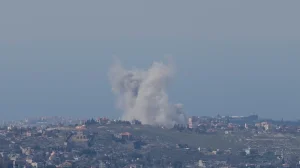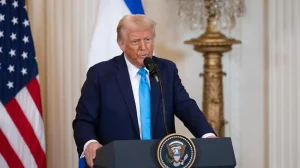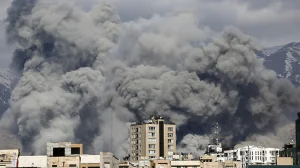
A very direct warning from Washington has made the West Asia conflict, which was already unstable, even more urgent. In a brief video put out on X by US Central Command, Pete Hegseth, the US Secretary of War, promised that any person or country that kills or endangers Americans will be found, and killed. This message makes very clear the US will strongly discourage enemies, as fighting in the area increases.
Hegseth’s Warning Shows a ‘Stop First’ Plan
Hegseth was very clear in what he said: ‘If you kill Americans, if you threaten Americans anywhere in the world, we will find you and kill you, and we will do it without saying sorry, and without stopping to think.’ The 21-second video had this quote, with pictures of US attacks on vehicles and buildings, which weren’t secret.
By using short, firm words and pictures of fighting, US leaders hoped to affect what enemies do, by clearly showing they are determined. When this was said is important. With drone and missile attacks happening all over West Asia, publicly showing the US will discourage attacks, is meant to make any attack that puts American lives or places at risk, much more costly.
The stress on being able to reach places and how quickly, shows a move from only defending, to stopping dangers before they happen. It also tells allies and partners who have US forces, what to expect – that the US promises to protect both military people, and ordinary people.
Trump Says US Military Has Won Big Against Iran
At the same time as Hegseth’s warning, President Donald Trump said that US actions had removed Iran’s leaders, and badly harmed its military strength. While on Air Force One, going to Miami, he said the actions were removing a ‘disease’, and that ‘we are winning the war by a lot’.
The President said US attacks had removed 44 Iranian navy ships, destroyed all of Iran’s war planes, and ruined most of its missiles. He said Iran's ability to start attacks had fallen, because factories that made things had been harmed, drone fleets were weaker, and places where launchers were kept, had been disturbed.
At the time this was published, these claims about the fighting could not be checked by other people. However, the government still says the Iranian military is almost finished, and that more actions are possible. The White House hasn’t said when the actions might end.
Fighting After Late-February Attack Raises Stakes in the Area
The latest worsening of things happened after a US-Israel action on February 28, which, according to the government, killed the Supreme Leader, Ayatollah Ali Khamenei, and other important people. As a result, Tehran sent drones and ballistic missiles at US things, and countries in the area, including Israel, Bahrain, Kuwait, Qatar, Saudi Arabia, the United Arab Emirates, and Jordan.
This has made risks for people who live in the area, and people from other countries, even worse. Air defenses have been tested, planes have changed their routes, and companies are looking again at travelling and moving things. Shipping routes near the Gulf are being watched, as insurance costs and changes to routes, affect how much things cost, and how long they take to arrive.
Worries about ordinary people’s safety have become sharper, with reports of attacks going wrong. The President would not accept claims that the US was involved in an explosion at a school in Iran, saying the event was caused by Iranian weapons, which he said were not accurate. This shows the information war around modern fighting, and how hard it is to quickly check what is said about the fighting.
Talking to Others Might Still Be Possible, But Not Easy
Even though the words used are aggressive, there might still be a way to talk. US Special Envoy Steve Witkoff said that any success in talks, would depend on what the President wanted. He also said previous discussions hadn’t gotten anywhere because of Tehran’s demand to have the right to enrich uranium – and their talk of having stocks of fuel enriched to sixty percent.
The representative’s words mean Iran would have to change its attitude a good deal for talks to work. However, even limited, secret contacts could help draw lines, stop errors in judgement, or allow for temporary humanitarian breaks in fighting. At the moment, the government seems mainly to be using military action, with talks going on at the same time, but only if conditions are met.
US Approach: Quick Attacks, More Places Hit, and Firm Limits
The video’s non-secret pictures point to a plan to lower ability, and not simply to punish attacks. Attacking where things are made, missile launchers, and drone places is in line with a strategy of stopping and warning off. It’s meant to make it harder to launch future attacks, and to raise the cost – in a strategic sense – of any attack on US people or bases.
This also sets out the rules for how fights happen. Public, firm limits make a structure for fast responses if US people are hurt, while still allowing choice about when and where to hit. At the same time, ongoing action makes the chance of it spreading, of wrong identity, or of people not involved being hurt, greater – which can make it harder to get support from allies and lower how right the US is seen to be.
What the government shows is only partial, and by plan. People in the government gave out chosen footage to show power, without giving away secret methods or sensitive information. That balance is typical of how things are messaged these days: show enough to stop enemies, but not enough to give them a plan.
What This Means for Safety, Markets, and Plans
Safety: Expect higher levels of threat around US places, embassies, and important systems throughout Western Asia. Limits on airspace and planes going a different way may stay as forces work out what the new risks are from drones and ballistic missiles.
Energy and shipping: Even if energy places aren’t hit directly, what people think the risk is can make prices go up and down a lot. Routes for tankers, when ships will get to ports, and insurance for ships may all change, particularly if missiles or groups of drones keep being launched near important narrow waterways.
Company work: Big companies with people in the area will probably be updating plans for what to do in an emergency, and rules for travel. Many will depend on information as it comes in, having more than one way to get supplies, and better ways to take care of their workers and keep work going.
Plans from Washington: Washington is making it clear that stopping things first is the main idea, backed by the ability to strike fast. Any way to get to talks will probably depend on attacks being cut in a way that can be checked, limits on missile and drone activity, and clear promises about the safety of Americans.
What To Look For
How often things happen: Watch how often and how far missiles and drones are launched, and also what is reported about regional air defences stopping them. A long-lasting fall would support what the government says, that Iran’s ability has been lowered.
Places hit: Keep an eye on reports of attacks on places where things are made, places where launchers are kept, and command centres. Proof that these are regularly broken up would show that pressure is still being put on Iran’s ability to use force.
Working together in the area: Signs from Israel, Jordan, and Gulf partners about working together on air defence and sharing information will show how closely the group of countries is still working together as risks change.
Talks: Look for secret messages, people from a third country helping, or small steps to build trust. Even small actions could help to stop things getting worse while keeping power.
What people at home say: Expect people to look at what the aims are, what the law allows, and what the end result should be. Clear ways to measure success will be key to keeping political and public support as action goes on.
The government’s message is plain and hard: attacks on Americans will meet with strong force. Whether that warning stops things getting worse, or makes the other side more sure of itself, will shape what happens next in the West Asia war. As claims and answers to claims grow, facts on the ground that can be checked will be the clearest guide to where this war will go.