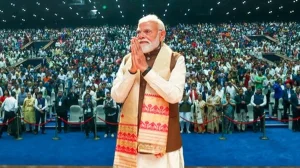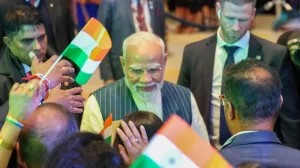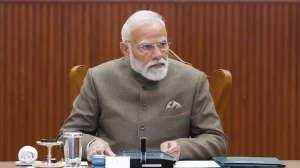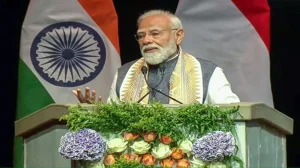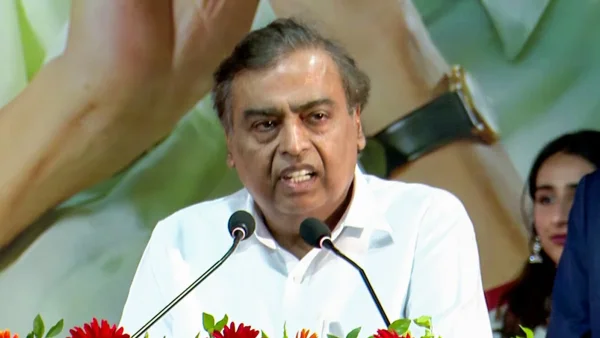
It wasn’t just a chance to put in a good word for Prime Minister Narendra Modi. Ambani took the occasion to laud the country’s longest-serving elected PM and his ten years of economic stewardship, while also charting where Reliance is putting its money: right in line with the government’s agenda on energy and AI.
Why Ambani’s message matters
The Reliance chair and MD put a fine point on the need to move fast on building up national capability. “Maximum energy self-sufficiency and AI self-sufficiency must become our national missions,” he put it, calling for atma nirbhar results in the resources and tech that count.
He made no secret of these being the way to a Viksit Bharat, with Reliance ‘playing a leading role in both the national imperatives.’ To an investor, it’s a sign of how well the nation’s top company is in step with the policies that will drive capex and the competitive landscape.
The milestone and the mandate
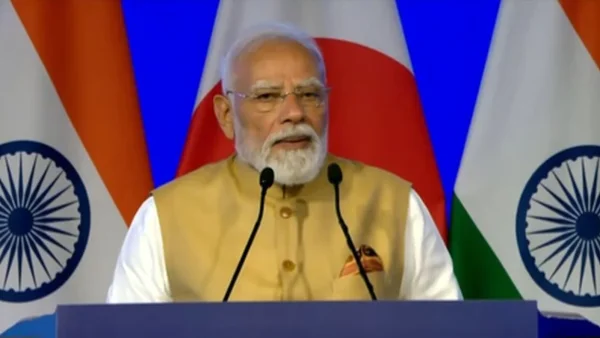
Then there is the matter of June 9, when PM Modi overtook the record of the first Prime Minister, Pandit Jawaharlal Nehru, to be the longest head of an elected government. Ambani didn’t mince words, calling it a ‘stupendous feat’ and offering his congratulations.
He pointed to another marker of continuity coming up: by 7th October, the Prime Minister will have 25 unbroken years in public life, from his time in Gujarat to the Centre. As for the numbers, Ambani said the votes Modi has put up are ‘by far the largest by any leader in the democratic world.’
Volatility tested India, resilience defined it
If you ask Ambani, the last six years have been as hard to read as any in recent memory. You had the pandemic, tussles in West Asia, supply chains breaking up, and commodity and capital markets in a flux. Global business has felt the pressure.
“Tough times never last; tough nations do.” That was his way of giving credit to the ‘able, experienced, and far-sighted’ hand of the PM. India, he said, has shown ‘exemplary competence and wisdom’ in what it has done and will continue to be a friend to all and a force for peace.
From vision to execution
You can trace much of India’s showing back to the Prime Minister’s long view and how he has put it into practice. According to Ambani, that has been key to the kind of all-round, rapid growth we’ve seen in a decade, and it’s a form of policy continuity that is hard to beat.
There is a corporate side to it, too. For Reliance, the move to new energy, digital, and AI is all about those two things: independence in power and the means to do AI at scale.
What Reliance signalled
When you put a premium on self-sufficiency, you set the tone for the rest of the industry. It means putting in the work on fuels, renewables, and storage for energy, and on the data and compute side for AI.
Ambani has put down a marker that Reliance will be at the forefront of it. It’s a way of staking a claim in areas where size and speed make the difference, and it puts some heat on the rest of the field.
Here are the key takeaways from Ambani’s remarks:
– Modi is now the longest-serving elected Prime Minister of India
– He has 12 straight years in the job behind him
– 25 years in public office is in the books come 7th October
– The country is making energy and AI self-sufficiency a mission
– Reliance intends to be out in front on both
Why it matters next
When policy and national purpose are in lockstep, you can get big projects off the ground quicker. What you hear from Ambani is an environment where the onus is on the major players to put in the strategic capacity, not just put up some growth figures.
The writing is on the wall. With a political milestone to back it up and the corporate world on board, the road to a Viksit Bharat will be paved by how fast and how well we can deliver on our own terms.