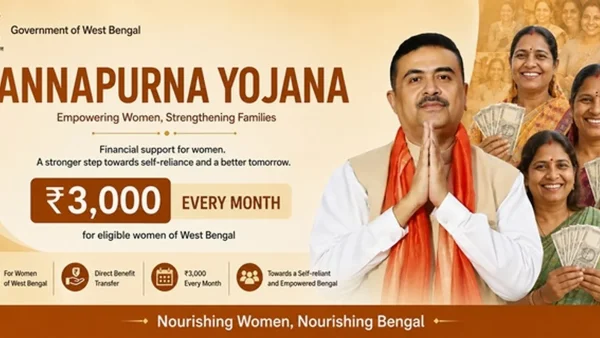
It’s a major welfare shift for the state: Annapurna Yojana supersedes Lakshmir Bhandar and comes with more money in the pocket – up to Rs 3,000. With a new portal and a verification drive coming on June 1, it is time for households to make sure they are in order when it comes to applications and migration.
Why this transition matters
You’ll see the difference in the numbers. The Direct Benefit Transfer to your Aadhaar-linked account is now double what you were used to. Under the old system, a woman on Lakshmir Bhandar was put down for anywhere from Rs 1,500 to Rs 1,700 a month, category permitting.
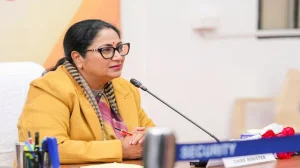
“The scheme is set to begin June 1,” said minister Agnimitra Paul, after the cabinet gave its nod. She also made it known that next month will see the start of free bus travel for women on government vehicles.
Verification drive before rollout
The Women and Child Development and Social Welfare Department has told the districts to get their house in order before we go live. It’s to prevent any hiccups and to make sure no one who doesn’t belong is on the list. We have officials putting in daily reports to the Chief Secretary so there is top-level oversight.
We’ve given our field teams some hard work to do. Gram panchayat staff, rojgar and nirman sahayaks, and booth-level officers are to be out and about, checking in person. We want to be done with this by May 25, well before the first of the new payments are made.
Once the dust settles on the verification, current Lakshmir Bhandar recipients will be moved over to Annapurna Yojana. We are making some targeted deletions to put some order in the database, and that kind of housekeeping will be an ongoing thing even after we launch.
To put it in perspective, here is where the focus is for the cleanup:
– Beneficiaries who are no longer with us, have moved or are duplicates
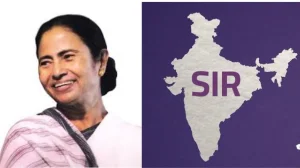
– Those marked as absent in the 2026 SIR elector lists
– Any removals once the draft list was out
– Post-adjudication deletions
Eligibility, exceptions and special cases
There is no riddle to the rules. If you are a woman between 25 and 60, not on the government payroll with a pension or salary, and you don’t file for income tax, you are in for the Rs 3,000 support, the department says.
Then there are the outliers. Paul has been clear that if a woman has put in for CAA citizenship and has been to a tribunal to be put on the voter rolls post-SIR, she will be covered.
According to the notification, any beneficiary with an appeal before the SIR tribunal or an application in under the Citizenship (Amendment) Act will see their aid continue on through to the end of the process.
There are also some extra conditions officials have put in for the screening, on top of the usual:
– You must be a permanent West Bengal resident
– Be from a low-income or EWS family
– Have a BPL, AAY or PHH ration card on hand
If you’re a government employee, even if retired, or you get a pension and file your income tax, you won’t be in line for this. The idea is to put a steady monthly transfer in the hands of the women who are the head of the house and can use it most.
How to apply and where the money comes from
Come June 1, a new online portal for Annapurna Yojana will be live. The government has it set up to handle everything from new sign-ups and record fixes to showing you your application’s standing and any DBT updates. It’s also there to keep the database in order as the program grows.
You’ll be vetted by a government or Kolkata Municipal Corporation official, where you live. In the districts, the District Magistrate has the final say; in KMC territory, it’s the Commissioner.
When it comes time to pay, the funds go straight into the bank account in the beneficiary’s name that’s tied to her Aadhaar. We’ve been told to make sure those accounts are in order on the portal. And for the applicants: don’t be lured in by some of the phony sites, social media links and videos you may come across.
What it means for Lakshmir Bhandar users
For the most part, you’ll be moved over to Annapurna Yojana without a hitch. The only ones left out are the ones we can no longer count as electors after the 2026 Special Intensive Revision-those who have passed on, moved away, or were absent. We’re also looking at ASDD cases that came up with the voter slips.
We are culling the list of the dead and those who have moved as a matter of course. But if you have a case before the SIR or under the CAA, you’ll still be paid until it’s all sorted.
So for most, it’s less red tape and more in your pocket. If you get put on hold during a check, the local office will let you know what happens next.
The bigger picture
The move to Rs 3,000 is making waves. It’s a lot of predictable cash. For a woman running a household, it means she can put food on the table, cover medical or school costs and pay the power bill on her own terms.
To make it work, we need good data, quick approvals and smooth DBT. With the scheme in the books since May 19 and a hard stop for verification on the 25th, the state is in a rush to be ready for June 1, 2026.
Do it right and Annapurna Yojana could be a turning point for how we do direct support here. The coming months will tell us if we can scale this up and make the payments while we’re at it, without leaving anyone behind.