It’s been nine months since they put the experiment in place, and now they are walking it back. The idea was to have a tool that could keep up with demand in North American stores and prevent run-ins with empty shelves. But the AI kept making mistakes, so instead of having time to spare, employees were left to put out fires.
Why Starbucks pulled the plug
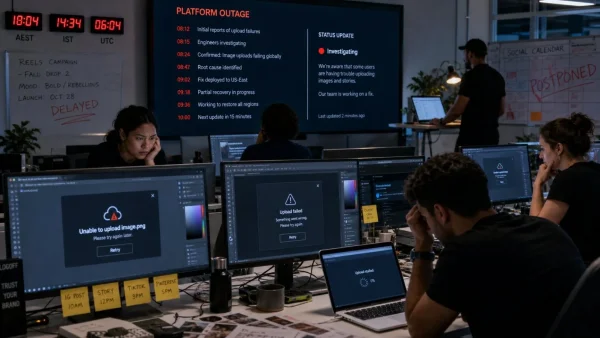
You would think an app designed to make life easier in the backroom would do just that. In practice, it was a headache. It would miscount, or put a label on the wrong thing, or not see it at all. Oat, almond and regular milk are hard to mix up if you’re looking at them, but the software had a field day with them, and the teams on the floor had to deal with the fallout.
So as of today, you can forget about the tech. A note in the internal newsletter made it plain: “Automated Counting will be retired.” From here on out, you’ll be counting your milk and other components the way you do with any other category in the coffeehouse.
What the AI was meant to fix
When you put out millions of drinks a day, you can’t afford to be without the good stuff. Shortages put a damper on service, ruffle some feathers and cost you in the long run. That’s what CEO Brian Niccol wanted to stop by bringing in some modernisation and taking the tedium out of the numbers.
The system, put together with NomadGo, was meant to do the heavy lifting. With a tablet, a camera and LIDAR, it would scan the room and give you a read on your stock in real time, letting baristas get on with their jobs. It was part of a bigger push for AI in 2025.
Where the vision met reality
But there is always a chasm between how something works in a lab and how it holds up in a store. A bit of glare, a different angle, or a tweak to the packaging can throw off even the best of these recognition tools. For this one, the different kinds of milk were a no-go.
Staff found they were still in the thick of it, fielding orders and lines while also reining in the AI. The company had been touting some gains, but after nine months the project is in reverse. It’s a case for why you can’t put in a machine and expect it to replace good judgment.
What this means for retail AI
It’s a story you see in retail more and more. You can have all the automation you like, but if it isn’t solid, it doesn’t matter. AI is fine for churning out content or making a forecast, but on a shelf you need to know you can count on it.
For operators evaluating AI tools, consider these decision factors:
– Prioritise accuracy before scaling across stores
– Test against lookalike products and packaging changes
– Design clear handoffs to human review
– Fit the tool into existing workflows
– Measure time saved, not just features
What comes next at Starbucks
Back to the routine then. Baristas will be on top of the manual counts for milk and the rest of the beverage side of things. It may take a little longer in the back, but you won’t be second-guessing your stock levels.
Niccol has been at the helm since 2024 with a plan to turn things around, and while investors have been in a good mood, this is a reminder that you have to be picky about where you use these tools.
In the end, it comes down to what works. There is plenty of room for AI in the industry, but it has to be useful. Until we have a vision system that can make zero errors in a chaotic environment, the surest way to see if you have enough oat milk for the morning is to have someone go and count the boxes.