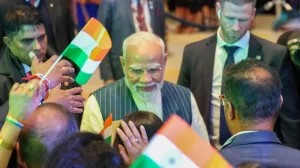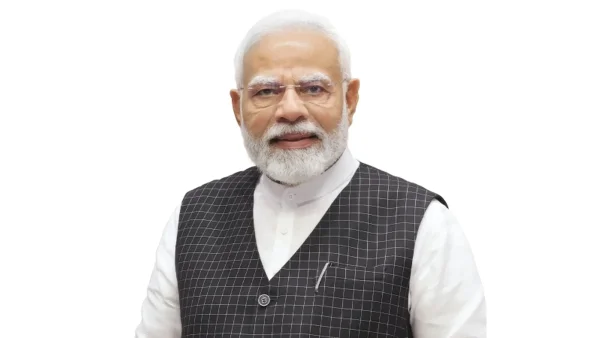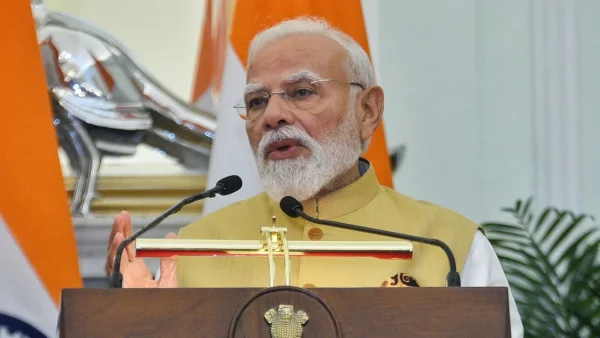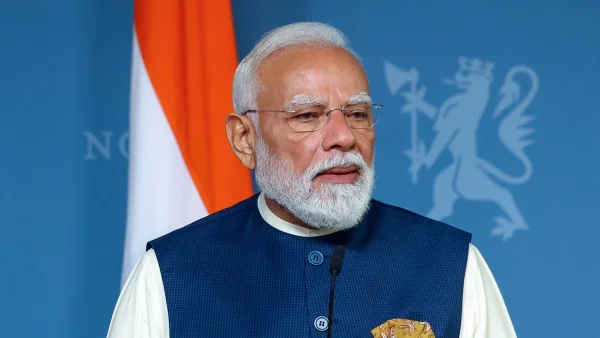
The award was given over by FAO Director-General Dr. QU Dongyu in the Plenary Hall of the UN body’s Rome HQ. In his words, the medal is a nod to how India has been about business with its farmer-centric, no-nonsense approach, and for making a difference for some of the world’s most at-risk.
According to FAO’s Director-General, the citation reflects:
– Financial inclusion initiatives at national scale.
– The world’s largest food-based safety net for 800 million people since the COVID pandemic.
– Direct income support to more than 110 million farmers.
– Push for regenerative and natural farming practices.
– Global promotion of nutrient rich millets with FAO partnership.
– Positioning digital public infrastructure as a global public good.
Why this honour matters now
You could say India is setting the tone in global food system talks these days. Since the pandemic, we have put in place some solid measures to see to it that people are fed and their incomes are secure, all while upping our game on productivity. The FAO sees that as a good mix of social protection and hard work.
Dr. Dongyu pointed out that this is also in recognition of what India did at the G20 and elsewhere to make sure agriculture is a talking point on the world stage. It is, in effect, an approval of the kind of reforms we are after: ones that are sustainable but don’t leave livelihoods behind.
Modi’s response: dedication and vision
Modi, for his part, called agriculture the very fabric of our civilisation. “We worship our land,” he said. “I dedicate this medal to the farmers of India.” He was referring to the men and women, and the fishermen, who are the engine of our food system.
He laid out a vision for the future where we don’t just produce more, but we produce better. “That is where the future of farming is,” he said, pointing to the need for more biodiversity and less reliance on chemicals. When you have science and inclusion on the same side, you can have your scale and your sustainability.
“Food Security is not merely a Policy Matter; it is our responsibility towards humanity,” he put it. He gave credit to the FAO for being a partner in that, whether it’s in the push for millets or in making for a diet that is both healthy and climate-smart.
A decades-old partnership, renewed
Standing before them, Modi made note of the long history of ties between India and the FAO, even going so far as to name-check the likes of Dr. M S Swaminathan and Dr. Binay Ranjan Sen. He was grateful for the support on nutrition and for the part the FAO has played in getting the word out on millets.
On his end, Dr. Dongyu was full of praise for how India has been using its G-20 seat to put digital public infrastructure on the table as something for everyone. He called it a game-changer for service in the developing world, one that has put opportunity and efficiency in the hands of millions.
It was some time coming – the first time in 30 years an Indian head of government has come to the FAO. Modi had just come in from Italy on Tuesday, the last stop on a five-country run, and was made to feel at home by the FAO.
What comes next
What you have now is a closer working relationship when it comes to the nitty-gritty of nutrition, stable incomes and farming that can stand up to the climate. With an eye on regenerative and natural methods, there is room to do more of what works to put money in the farmer’s pocket and the soil in good order.
The FAO is on board with our model, and that bodes well for what’s next. For the farmer, it means we will be there with the tools and the support they need to make for an agriculture that is ready for the market.