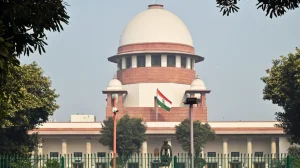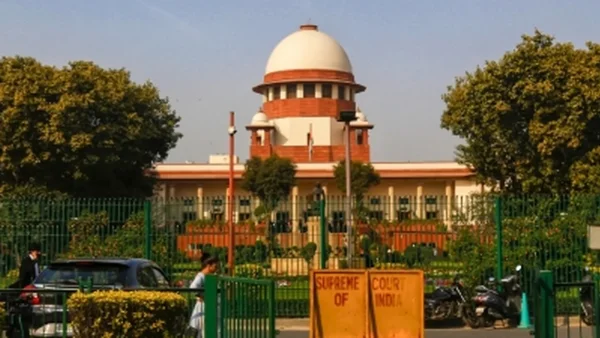
A very large group of nine judges, led by Chief Justice Surya Kant, are hearing cases about women being treated unfairly at religious places and how broadly religious freedom applies to all religions. They are also trying to decide how much protection the Constitution gives to religious groups’ practices. Justices B V Nagarathna, M M Sundresh, Ahsanuddin Amanullah, Aravind Kumar, Augustine George Masih, Prasanna B Varale, R Mahadevan, and Joymalya Bagchi are on this panel. These hearings are going over very basic questions, and the outcome will affect far more than just one temple.
TDB’s Core Submission: Deference to Denominational Belief
Abhishek Singhvi, a senior lawyer representing the Travancore Devaswom Board, explained that religion is a collection of beliefs and customs that a group of people with a similar identity follow. He says the court should accept how the religious community themselves understand their faith.
The Board (which is a self-governing organization that officially manages over 1,000 temples) says an individual’s rights under Article 25 of the Constitution aren’t more important than the rights of all members of the same religion together. The Board believes if judges start to evaluate religious teachings, they will cross a line in the Constitution.
The Essential Religious Practices Test Under Scrutiny
Singhvi also is questioning how the “essential religious practices” test is being expanded. He thinks it’s not allowed to change the Constitution by adding rules made by judges that force the courts to decide what’s most important to a religion.
Articles 25 and 26: Text, Limits, and Tensions
Article 25 of the Constitution guarantees the freedom to think about religion, and to practice and spread it, as long as it doesn’t cause problems with public order, morality, health, or other basic rights. The Board is stressing these limits and says the court should respect the independence of religious groups within those limits.
Article 26(b) says a religious group has the right to manage its own religious affairs. And C S Vaidyanathan, another senior lawyer, said this right is more important than Article 25(2)(b), which allows the government to open Hindu temples to all people.
However, the judges have warned that very strict rules about who can enter based on which group they belong to could harm Hinduism and split society. This shows the court is worried about finding a balance between a religion’s independence and having temples open to everyone.
Sabarimala: Background to a National Debate
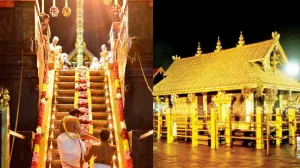
The Sabarimala temple in Kerala (dedicated to Lord Ayyappa) used to not allow women who were having their periods to enter. In 2018, five judges (4 to 1) said this rule was against the Constitution and violated basic rights.
In 2019, another group of five judges sent the question of women entering religious places to a larger panel of judges. They said bigger questions about religious freedom needed a complete plan before they could be answered. That’s how we got to the current nine-judge hearing.
These current hearings are looking at whether the Constitution gives individuals the right to enter over a religion’s rules, or whether courts should avoid getting into religious details and let religious groups decide what they do within the boundaries of the Constitution.
The main issue is the "essential religious practices” test, which asks the courts to decide if a custom is a vital part of a religion. The Board wants the court to avoid this, because they say it means judges will be making rulings about religion, not law, and going beyond what the Constitution says.
If the judges make the “essential religious practices” test less important or replace it, arguments about religious customs in the future might rely less on judges deciding what a religion is about, and more on balancing rights based on what the Constitution says, history, and actual harm to public order, morality, and health.
Implications for Temples, Denominations, and Equality
How the court finally rules will determine how temples and religious trusts manage who can enter and what ceremonies are performed, and how religions can remain independent under Article 26. It will also affect how Article 25(2)(b) is used, especially when it comes to opening public religious places to everyone while still respecting the religion’s identity.
Those who want equality for women hope a ruling that limits broad exceptions will strengthen access to temples and show that the rights of the entire religious group can’t cancel out fundamental rights. Religions, on the other hand, hope the court will support respecting their independence and protect their traditions, as long as they fit with the Constitution.
A solution might be a principle that respects the internal rules of religious groups, but also makes sure public places aren’t excluding people in ways that go against the core values of the Constitution.
What Comes Next in the Supreme Court
As the arguments go on, the judges are expected to clarify how courts should handle claims about religious customs, how much importance to give to what the religious community believes, and how much the government should get involved. The rules they establish will be used for all religions, not just Sabarimala.
Because of how important this is, the court’s decision could be a landmark in Indian religious freedom, giving a steady way to solve conflicts between individual rights and religious independence. Until then, the balance between religion and equal rights is being carefully examined by the courts.