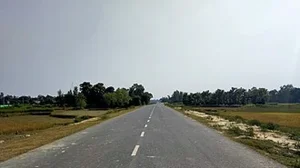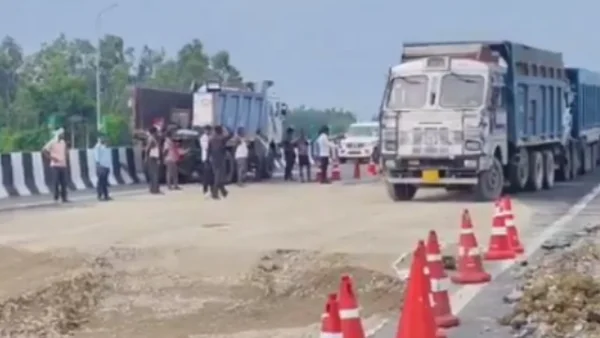
The Lucknow–Kanpur Expressway was showcased as another landmark achievement in India’s infrastructure development. Built at a reported cost of around ₹4,700 crore, the expressway was expected to improve connectivity and demonstrate the government’s commitment to modern, high-quality roads.
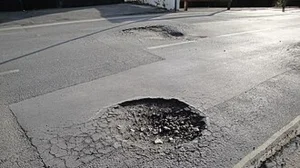
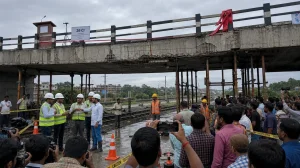
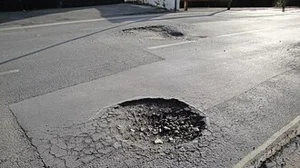
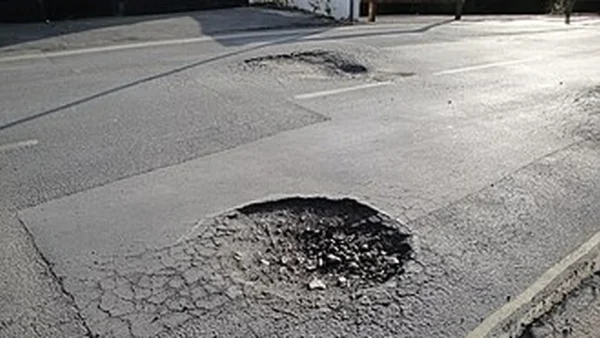
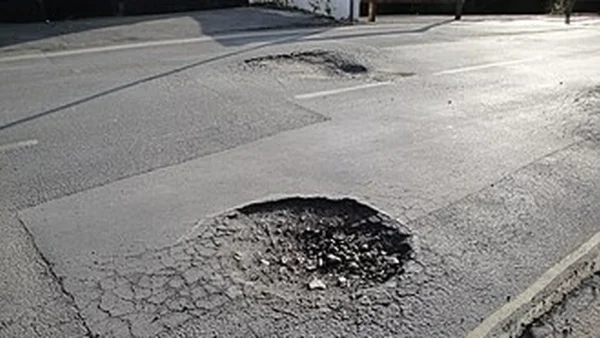
However, reports of defects and repair work within weeks of its inauguration have sparked public debate. Whether these issues are isolated or indicative of broader construction concerns, they have led many citizens to question the quality of execution, project oversight, and accountability.
When a Newly Inaugurated Expressway Faces Problems
Infrastructure projects funded by taxpayers are expected to provide long-term value. When a highway reportedly requires repairs shortly after opening, it naturally raises concerns about construction quality and project management.
Why Are Citizens Asking Questions?
If a project costing thousands of crores develops visible issues within weeks, people are justified in asking:
Were quality standards properly followed?
Were independent inspections conducted before the inauguration?
Did contractors meet all technical specifications?
Who is responsible if deficiencies are confirmed?
These are legitimate questions that deserve transparent answers rather than political rhetoric.
The Responsibility of the Road Transport Ministry
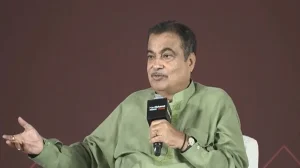
As the Minister for Road Transport and Highways, Nitin Gadkari has overseen significant highway expansion across the country. While expanding the road network is an important achievement, the quality, durability, and safety of these roads are equally critical.
Quantity vs. Quality
Building more highways should not come at the expense of construction standards. A successful infrastructure policy is measured not only by the number of projects inaugurated but also by how well those projects perform over time.
Critics argue that ensuring the quality of highways should remain the ministry’s foremost priority.
The Debate Around Government Priorities
Some observers have questioned whether too much attention has been given to initiatives such as E20 fuel promotion while concerns about road quality continue to emerge.
Should Core Responsibilities Come First?
While multiple ministries pursue different policy goals, many citizens believe that maintaining high construction standards and ensuring safe, durable highways should remain a central focus of the Road Transport and Highways Ministry.
Why Transparency Matters
Questions surrounding highway quality, contractor performance, project costs, and oversight are not unique to one project. Large public infrastructure projects require robust monitoring and independent quality checks.
Public Money Demands Public Accountability
Every infrastructure project is funded by taxpayers. Therefore, citizens have every right to expect:
Transparent tendering processes
Strict quality inspections
Independent technical audits
Public disclosure of inspection findings
Accountability if construction defects are confirmed
Transparency strengthens public trust and helps ensure better outcomes in future projects.
Beyond Politics: A Question of Governance
The discussion should not be limited to political parties or individual ministers. It is fundamentally about governance, accountability, and responsible use of public funds.
Infrastructure Should Last
Roads should be judged by their engineering quality, durability, and safety—not merely by inauguration ceremonies or publicity campaigns.
If reports of early defects are accurate, a thorough technical investigation and public disclosure of the findings would help restore confidence.
Conclusion
The Lucknow–Kanpur Expressway has become a reminder that infrastructure is not judged on the day it is inaugurated but over the years it serves the public.
Citizens deserve roads that are safe, durable, and built to the highest standards. When concerns arise, governments should respond with transparency, technical evidence, and accountability. Public trust is earned not through announcements but through consistent delivery of quality infrastructure.