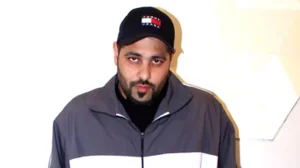
Badshah apologized to the National Commission for Women after “Tateeree” caused a big problem with the public because of its lyrics and visuals. The song was criticized for supposedly being insulting to women, and because of this, the NCW began an investigation on their own and called everyone who worked on it in for a proper meeting and a written apology.
NCW Hearing and Official Apology
Badshah went to the NCW, and the head of the NCW said the song was awful and harmed the dignity of women. The NCW was very firm in saying something like this shouldn’t be ignored, and told everyone involved to make sure something like this doesn’t happen again.
Badshah, the song’s directors and the producer were all there and gave a full, written apology. The NCW realized everyone involved regretted the damage done to society and promised they wouldn’t produce anything that puts women down.
Legal Representation and Clarifications on Tateeree
Badshah’s lawyer made a formal apology and answered the issues with “Tateeree.” The lawyer’s team said the song was meant as a piece of art and there was no intention to offend any group or women.
The lawyer, while explaining the artistic idea behind the song, admitted the NCW’s worries and accepted that how the song actually came out did offend people. The written apology to the NCW showed Badshah is willing to fix things and discuss the problem in a helpful way.
Commitments to Women’s Welfare and Empowerment Projects
After the meeting, Badshah said he would definitely do things to help women and lessen the effects of the argument. He said he would pay for the education of at least 50 girls from families who don’t have a lot of money, and help charities that collect money to support women.
The rapper also said he will create a positive song about women being empowered within four months and won’t work on similar problematic content anymore. This change from just defending himself to actually trying to make things better shows he’s listening to what the public thinks.
Legal Context and Industry Responsibility
This situation has made people think about the laws that concern being obscene or offensive, including sections that make being overly sexual or dirty illegal. The NCW’s involvement shows they are going to be stricter about anything that seems to speak badly about women.
Artists and producers will be looked at more closely now when it comes to how they show gender and dignity in their songs and videos. Creative freedom is still important, but this shows creators are responsible for how their work affects society, and laws and organizations can take action when the public is upset.
Public Response and What Comes Next
The argument over “Tateeree” started a wide conversation, both on the internet and in real life, about how to balance artistic expression with being respectful to women. People on social media made the calls for people to be held responsible, and for actual ways to make up for the harm, instead of just quick apologies.
The NCW will likely check to make sure Badshah does what he said he would, and the music industry will see if the empowerment song and the education sponsorships actually happen. What Badshah does next will show whether this becomes a lesson in taking responsibility or a short-lived argument.
Badshah’s apology and promises are a big reaction to complaints about content in mainstream music that dislikes women. The next few months will prove whether those promises actually mean something for empowering women and whether the music business will start to have stricter rules about showing women with respect.