The EIA says we’ve entered a totally new situation with the energy market, and how quickly (and in what way) oil starts flowing again will decide how long we all pay more at the pump. Both the shutting and any eventual reopening of the Strait of Hormuz have never happened before. Because it’s such an important route for energy, the EIA thinks it will be a long time before things go back to normal once fighting stops.
The biggest problem is the uncertainty. Because of the chance of more problems, oil and gasoline will continue to have a higher “risk premium” added to their price. How long the Strait is closed, how much oil production is lost, and how quickly ships can get back to their normal routes will all affect prices for months to come.
Why prices may stay elevated even after reopening
Even after it reopens, getting things moving smoothly will be hard. There will be lines of tankers waiting, new security measures, and problems with insurance, all of which will slow things down and keep the amount of oil available limited. This generally means prices will remain above what they were before the conflict, until the entire supply chain is working normally and oil companies are producing and selling as much as before.
Updated outlook for oil, gasoline, and diesel
The EIA now predicts Brent crude oil will average around $96 a barrel this year, a big jump from their previous estimate of about $79. This higher price is due to the fact that not much oil is coming from the Middle East and the extra risk premium while the Strait is shut.
For people filling up their tanks, gas at the pump is expected to be at its highest in April at an average of $4.30 a gallon, and will cost more than $3.70 on average for the whole year. As of Tuesday, the average price nationally was a little over $4.10 a gallon – the highest it’s been since the middle of t 2022.
If there isn’t a clear plan to reopen the Strait of Hormuz, the EIA warns that gas could go over $5 a gallon and even hit record highs. There’s not much room for error, as we don’t have a lot of oil stored and there aren’t other routes that can completely make up for the oil that isn’t getting through the Middle East.
Diesel fuel has been even more affected. The Middle East provides both diesel and types of crude oil that make a lot of diesel when they’re refined. The EIA thinks diesel will peak at $5.80 a gallon in April and average $4.80 for the year, and is already almost as expensive as it was in mid-2022.
The strategic choke point at the center of the shock
Normally, about 20% of the world’s oil and gas goes through the Strait of Hormuz. The closure has stopped the flow of oil by sea, forced oil to be sent the long way around, and increased the cost of shipping and insurance. Until ships can go through the Strait of Hormuz normally, the world’s oil supply is messed up and prices are more likely to jump up suddenly.
The EIA says it will take months to get everything back to normal after the fighting stops. This includes dealing with the backlog of ships, looking at security again, and slowly removing restrictions on shipping. Only then will prices start to come down to what they were before the conflict.
This is different than what some people said, that prices would go down immediately when the fighting with Iran ends. Instead, the EIA thinks getting things back to normal will be complicated and will depend on how safe things are, what oil producers do, and how quickly shipping gets back on track.
Policy signals and geopolitical backdrop
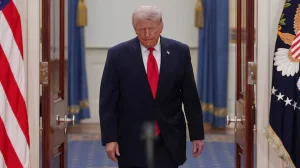
Tensions are still very high. The U.S. president has told Iran to open the Strait of Hormuz by the end of Tuesday, and said some pretty strong things about what will happen if they don’t. Talks between the U.S. and Iran (with a third country helping) haven’t made any progress. The market reacts to every news story and adjusts the price of oil in real time.
Because of all this, the EIA is still adding a “risk premium” to their price predictions. This isn’t just about what’s happening right now, but also about the possibility of more problems in the future, as long as the area is unstable and the Strait of Hormuz is easily blocked.
Demand adjustments and the path to balance
But the amount of oil available isn’t the only thing that matters. The EIA has lowered its forecast for how much the world’s demand for oil will grow this year to about 600,000 barrels a day, and now expects about 104.6 million barrels a day will be used. This is because some places don’t have enough fuel and governments are doing things to reduce usage and save supplies.
The EIA thinks most of this reduction in demand will happen in Asia, which gets a lot of its oil from the Middle East. Later this year, when oil starts flowing normally again, the EIA expects demand to go up by about 1.6 million barrels a day next year as supplies are rebuilt and prices go down from their highest point.
What this means for consumers and businesses
For people who drive, higher gas prices will probably last through the summer, even if the Strait of Hormuz reopens. Ways to save a little money include combining trips, driving at a steady speed, and using gas station loyalty programs. Households should prepare for higher energy bills that might affect their overall spending.
Companies with lots of vehicles and those that ship a lot of things are especially at risk from the price of diesel. Some will add a surcharge to their bills to cover the extra cost, while others may buy contracts to fix the price of fuel or change their routes and how much they carry. Expect shipping costs, plane tickets, and how long it takes to get goods to go up, which could make inflammation in these areas continue.
Things to pay attention to are a definite date for the Strait of Hormuz to reopen, changes to shipping insurance and security, the weekly oil supply numbers in the U.S., how much oil refineries are processing, and statements from oil producers in the Middle East. If all of these things clearly and steadily improve, that would mean prices are starting to come down.
In short, even if the Strait of Hormuz is opened soon through negotiations, the EIA thinks it will take months to get over the shock. Until then, the risk of further problems, difficulties with shipping, and oil producers being careful will likely keep the prices of oil, gas and diesel higher than they were before the conflict.