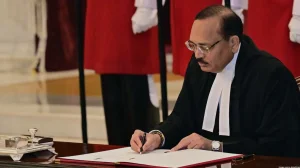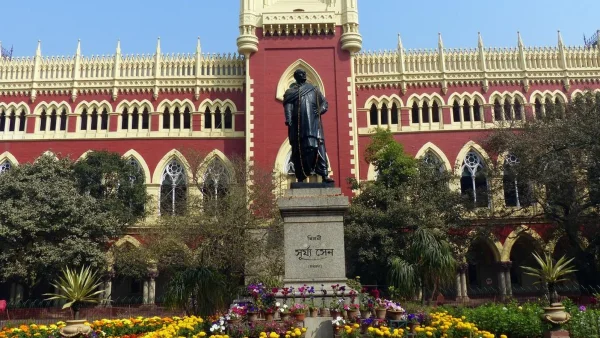
Justices Tapabrata Chakraborty and Reetabrata Kumar Mitra on the division bench threw out the ruling of a single judge, previously Justice Abhijit Gangopadhyay. They said that to cancel all the appointments from the 2014 TET list would need proof of widespread cheating, and that proof hadn’t been found.
The judges said that making these teachers lose their jobs after nine years would be terribly damaging to the teachers and their families, and emphasized that someone shouldn’t lose their job simply because a criminal investigation is happening, unless there’s solid evidence of widespread fraud.
Court says single-judge order went beyond pleadings
The earlier decision, they said, was based on reasons that hadn’t been sufficiently proven in court, for example, the claim that some candidates hadn’t taken an aptitude test. To completely cancel an exam or a list of people chosen from an exam, the court said, there has to be proof of serious, widespread deliberate wrongdoing, and backed by evidence. That level of proof was absent here.
Furthermore, the judges pointed out that no one has complained about how the teachers are actually doing in the classroom. There’s been no finding that those who supposedly paid for their jobs got much higher scores and pushed aside genuinely better candidates.
Findings from the CBI probe did not justify scrapping the panel
The Central Bureau of Investigation (CBI) looked into the appointments made from the reformed 2014 TET run by the West Bengal Board of Primary Education, as the court directed. At first, they flagged 264 appointments because of issues, including some instances where an extra mark was given.
Later, another 96 teachers were investigated, but the Supreme Court restored their positions. The division bench said these figures, while important, weren’t enough to show a broad enough pattern of changing things to cancel all 32,000 appointments.
The court also noted that there’s no evidence that marks were changed because of instructions from people outside the system. Without that kind of proof, punishing thousands of people for what a few are suspected of doing would be an overreaction.
Background to the dispute
This whole thing started with the hiring of primary teachers from the 2014 TET list (selections were made around 2016). People claiming there was a "cash for jobs” scheme, that an outside organization was improperly used during part of the hiring process, and that required procedures, like the aptitude test, weren’t followed.
In May 2023, the single-judge court cancelled the jobs of 32,000 teachers because of these claims. The appeals to that decision were heard by the division bench, starting in April, after a previous bench had to stop when one judge stepped aside.
What the ruling means for West Bengal’s education system
In restoring the appointments, the Calcutta High Court prioritized fairness and following the proper legal processes in public sector hiring. The court’s decision indicates it will carefully separate proven, specific problems from general, unproven accusations of large-scale fraud before cancelling a lot of jobs at once.
It also recognizes the real and social consequences of removing someone’s employment after many years, particularly in primary education where it’s important for students and the community to have teachers who will stay.
Separate SSC case remains unaffected
The court clearly separated this case from a completely different hiring scandal at the West Bengal School Service Commission. Earlier this year, the Supreme Court did allow the firing of over 25,000 teachers and other staff from a 2016 list, after looking at the answer sheets (OMR sheets) again and finding they’d been changed, even with some chosen from completely blank answer sheets.
The facts and the decisions in the SSC case are different and don’t affect the High Court’s decision on Wednesday regarding the 2014 TET primary hiring.
Next steps and potential implications
The lawyers for those who originally made the complaints asked for a pause on the division bench’s decision, but that request was denied. The West Bengal Board of Primary Education now needs to make the working conditions for the teachers whose jobs were restored official, and continue to work with the investigation into the specific issues that came up.
There is still a possibility of more appeals, but the High Court has set a strong rule: without proof of widespread, intentional wrongdoing or manipulation, courts should not cancel entire hiring lists. For now, 32,000 primary teachers have some security in their jobs, and West Bengal schools will keep their experienced staff as the legal process focuses on specific, proven instances of corruption.