It’s an effort to put some structure around how students are taught, trained and put to the test. You can expect the rules to set the tone for what it means to use AI in a way that is both responsible and safe for exams.
What Karnataka plans to change
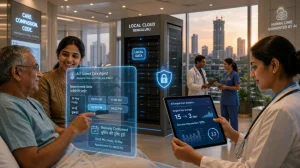
Mohammed Mohsin, the Additional Chief Secretary for Medical Education, says his department will be issuing guidance to make sure AI is used to its best effect in these institutions. They are currently looking at how to weave AI into every affiliated college under one umbrella, as opposed to a hodgepodge of individual projects.
There’s also an Innovation Centre in the works at the Rajiv Gandhi University of Health Sciences in Bhimanakuppe on Mysuru Road. It should serve as a kind of home base for faculty to tinker with new ideas and get their hands on the technology in line with the new rules.
You don’t have to look far to see why this is happening. A KPMG-FICCI report from last year showed plenty of appetite for AI in Indian healthcare, but not much in the way of actual uptake. Karnataka wants to put some teeth in that for medical training.
Why this matters for students and colleges
For a student, the guidelines will make it plain where AI has a place in the classroom or in a clinical sim. Having firm rules on data and how you’re evaluated takes some of the guesswork out of it and keeps academic integrity in check.
On the institutional side, a common set of standards can level the playing field for a college with deep pockets and one that is just getting up to speed. It gives leadership a clear line of sight on how to align their resources with what the state wants to see.
To help administrators get ahead of the curve, consider the following readiness steps:
– Map current AI use in teaching and assessment
– Nominate academic and IT leads for AI oversight
– Update codes of conduct for ethical AI use
– Plan pilots aligned with upcoming SOP
Building capacity: centres and model hospitals
The centre at Bhimanakuppe is a case in point: building capacity isn’t being left to the side. With a state-backed hub, they can put some tools through their paces before making them available to everyone.
Mental health is another file on the table. NIMHANS-style hospitals are to be set up in places like Mysuru and Kalaburagi. In Mysuru, it will be at the Medical College and Research Institute, so you have a place where you can train, treat and do research all in one.
How implementation could unfold
No hard dates have been given, but from what Mohsin has said, there will be a protocol and an SOP to keep things in order. Once the framework is out, colleges will likely have to get in step with it.
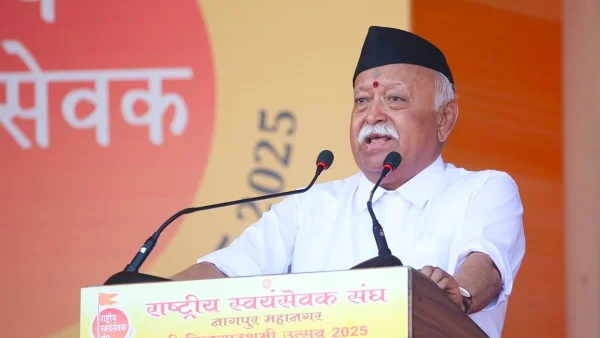
We’ve had some top names in the room, like JSS Institution’s Basavanagoudappa and Pushpa Sarkar of Dayananda Sagar University. It shows that for any of this to work, you need buy-in from the faculty and the students, not just a policy document.
What comes next
So the plan is to put the guidelines out there, and then we may see the nitty-gritty of the SOP. For now, with a lot of interest and not a lot of practice, these rules should help our medical colleges get from trial and error to something you can put your hand on.
In the end, it means students can work with modern tools without overstepping. And for the colleges, it’s a way to govern the change, keep patient information secure and put out graduates who are ready for an AI-driven world.