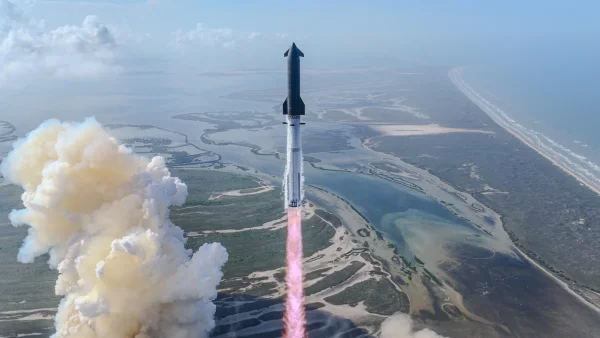
With a splashdown in the Indian Ocean to show for it, SpaceX has inched its Starship programme a bit closer to being a going concern. It was a high-stakes test that for the most part went off without a hitch, putting them in a strong position in the race for a lunar lander and building up some headway before a very large IPO. You could see the progress, even with the odd glitch or two.
To put it in a nutshell:
– A no-drama splashdown in the Indian Ocean
– The upper stage did its flip and got the engines going again
– Booster didn’t make the boost-back
– Orbit wasn’t by the book, but not out of line either
‘Splashdown confirmed!’ was the word from SpaceX on X, backing up the footage of the vehicle coming in with some fire and smoke. They weren’t after a recovery on this one; they wanted to make sure the numbers and in-flight checks added up, not to have the hardware back in hand.
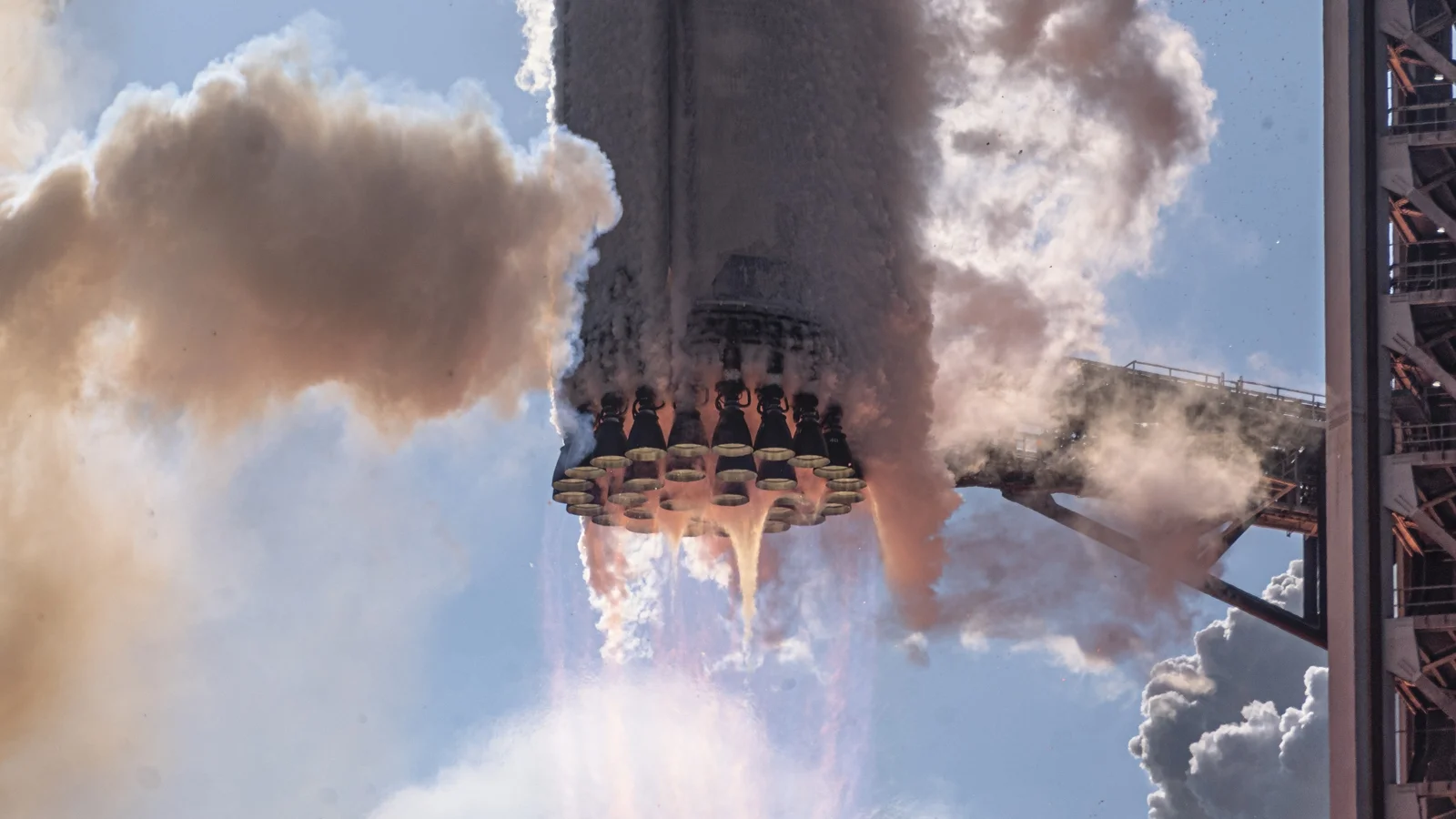
The third-gen Starship put in a hard turn and re-lit its engines for re-entry, all while one of them was down. They also let go of 22 dummy satellites, two of which made a pass at the heat shield for some photos to be pored over later.
Timing and scale
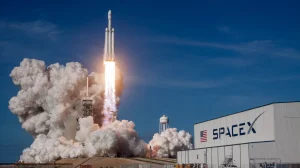
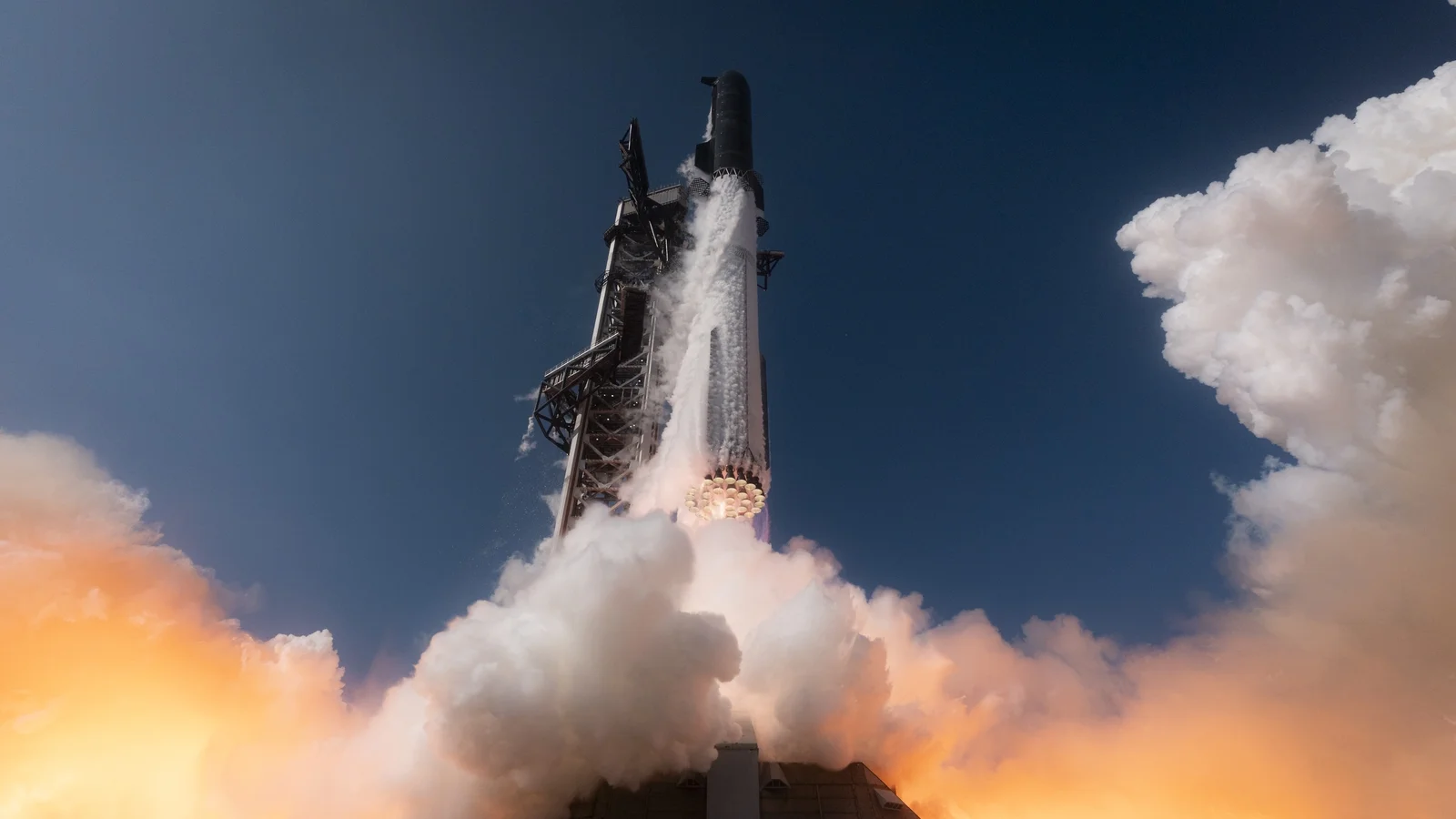
We saw liftoff a little after 5:30 pm (2230 GMT). This version is a bit of a beast, standing at 407 feet (124 meters) or so when you put it all together. It was only the 12th time out for Starship, and the first in seven months, so you can tell there is a long stretch between these kinds of tests.
Where it fell short
An engine gave out on the first burn and the ship didn’t make the orbit it was supposed to. ‘I wouldn’t call it nominal orbital insertion,’ Dan Huot of SpaceX put it on the stream, though he was quick to add the path was well within what they had modelled out beforehand.
The Super Heavy booster did as it should and came apart, but it couldn’t finish the boost-back. It was left to come down uncontrolled into the Gulf of Mexico. They never meant to pick it up, but would have liked a neater return to see how well they can do on recovery.
Why this test matters for Artemis and rivals
You can draw a straight line from where Starship is to what’s in store for NASA’s Artemis. After all, SpaceX has the job of making a lander for the moon, and it will be a variant of this very ship.
With 2027 in sight, NASA is set to put an in-orbit rendezvous to the test, pitting its own hardware against at least one lunar lander. It’s a race with both SpaceX and Blue Origin vying for the spot.
It’s all part of the build-up to a crewed landing on the Moon before 2028 is out. And the stakes are higher than ever: with China making moves for its own crewed mission by 2030, Starship’s development has become as much about strategy as it is engineering.
“Starship did most of what we wanted it to,” says Clayton Swope of the Center for Strategic and International Studies of the new and improved version. “But there’s a lot of ground to cover and more test flights in the offing before we’re ready for the next Artemis.” He notes the time that’s passed since the last run as evidence of that.
You could say this test was something of a rebound. The day before, a countdown had to be called off over a hydraulic pin on the tower arm that wouldn’t budge. SpaceX put a fix in place overnight and got back to work. In an era of closer looks at the company’s books, that kind of quick recovery speaks volumes.
IPO optics and the road ahead
Then there’s the matter of going public. SpaceX put in its papers with U.S. regulators for an IPO, probably in June, and it’s shaping up to be a record-setter. For investors, a flight that Elon Musk has put down as ‘epic’ and ‘a goal for humanity’ is a good way to see how they handle the heat and how fast they can turn things around.
The people in charge of putting boots on the Moon were on hand. Jared Isaacman made an appearance before the launch and later put in a word of commendation on X: “A hell of a V3 Starship launch… One step closer to the Moon…one step closer to Mars.”
It’s not been a straight line to where they are now. An engine gave out and the booster didn’t make its mark on the return. But you could hear the staff on the livestream; they had their reasons to be happy. The vehicle put on a show of control coming in hot and found its ocean target.
Competitive positioning after splashdown
They weren’t out there to bring the hardware home. This was to see if the rework held up in the air. By nailing a controlled splashdown and a tough flip-and-restart, SpaceX has made a strong case for Starship as the one to have on the Moon in the near term. It also shows just how far behind the competition is when it comes to running tests like this with any regularity.
Friday’s results tell you what’s in store. There will be more flights to make the engines more dependable, to be more exact with the booster, and to check the thermal shielding with some hard data. You can’t hit NASA’s 2027 or 2028 marks without it.
How often they can do it will be as important as any one success. With the 12th flight in the books and the first in seven months, it will be the programme’s capacity to put less time between these high-stakes runs that determines how soon we get from a splashdown to a vehicle you can use again and again.