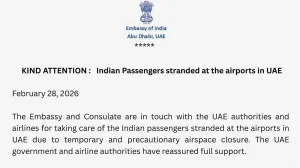
Because of the increased tension between Israel and Iran, a lot of airspace in the Middle East is now closed, and this has caused a lot of flights to be cancelled or put on different routes, so airlines can keep passengers and crew safe. Big airlines like Air India, IndiGo, Lufthansa and Emirates have put out warnings, changed when flights leave, and stopped flying to certain cities in the Middle East.
Airspace in the Region Closed, and How it’s Affecting Flights
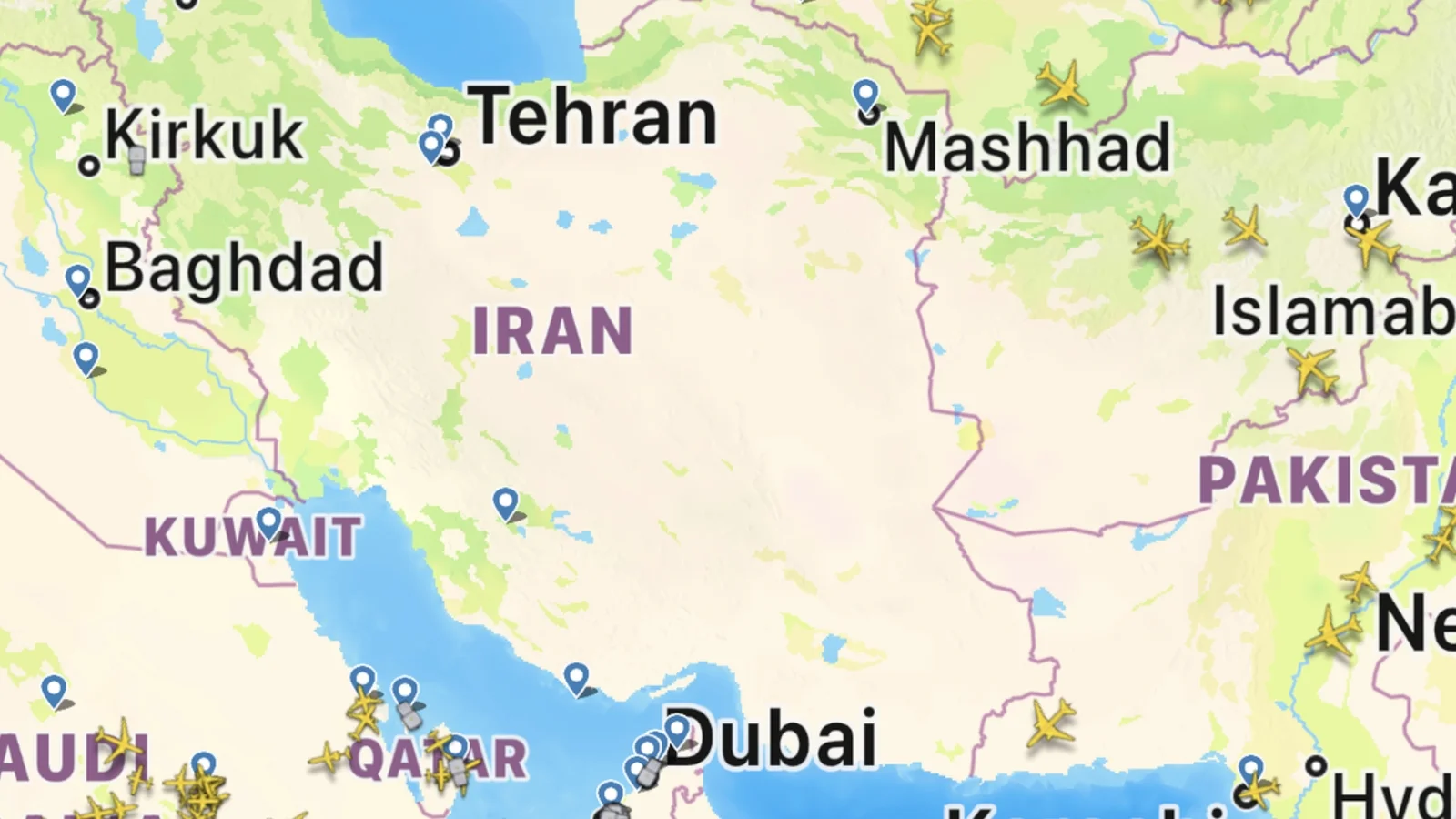
After Israel and Iran got into it, a number of Middle Eastern countries have either closed or limited access to their airspace. These restrictions created NOTAMs – notices to airmen – which immediately changed flight plans and what was going on at airports all over the area.
Air travel over Iran, Iraq, the United Arab Emirates, Jordan and Syria has been impacted. A few airports stopped all work for a time, and others cut down on arrivals and departures, causing problems that were felt in Europe, Asia and other places.
Large Airlines Cancel, Change, and Stop Flights
A number of international airlines said they would suspend routes or make changes to stay away from possible war zones. Emirates and other airlines in the Gulf area stopped flights from their main airports for a while. Airlines in Europe – Lufthansa, Swiss, Air France and KLM – stopped service to places like Tel Aviv, Dubai and Beirut for certain lengths of time.
Smaller, cheaper airlines and airlines that fly within the region also reported flights being cancelled and planes turning around mid-flight. Airlines from Asia, Europe and Russia changed their schedules, sometimes stopping flights sooner or sending planes to different airports, to be sure they were as safe as possible.
Indian Airlines and How They’re Working with Regulators
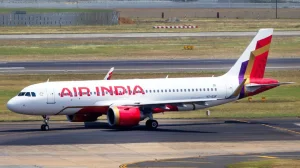
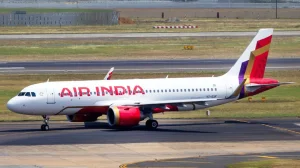
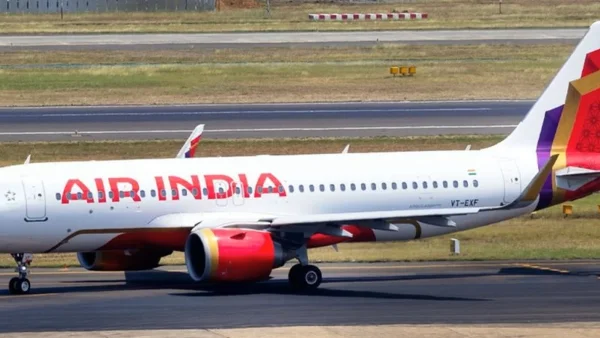
Indian airlines reacted fast, making safety and following the latest warnings their top goals. Air India stopped all flights to the Middle East until they hear otherwise. IndiGo put out travel warnings, telling passengers to check on their flights and getting teams ready to make the changes needed for flights to work.
The Ministry of Civil Aviation had a high-level meeting with people from the groups that make and enforce rules, and airport officials, to see how ready they were. The Directorate General of Civil Aviation and the people who run the airports were told to watch the NOTAMs, help with planes being sent to other airports, manage where planes are parked, and make sure flight crews get the right amount of rest.
Airports were put on high alert to be able to deal with planes making emergency landings and help passengers. The civil aviation ministry and people in the foreign affairs department started working together to help Indian citizens and crews who might be overseas.
Air India Express Flight Not Allowed to Land, and What Diversions Mean
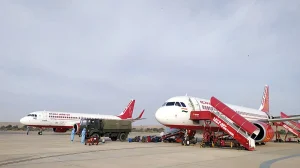
An Air India Express flight on its way to Dubai was not given permission to land because things were changing. The plane – with about 145 people on it – left at midday and went back into Indian airspace after Dubai wouldn’t let it land.
The flight was sent to Tiruchirappalli International Airport and was supposed to land there. Usually, not letting planes land happens when airspace is suddenly closed, or when air traffic control at the place the plane is going to changes things quickly.
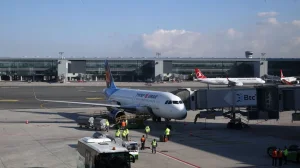
Sending flights to other airports makes problems for families and the airports, particularly when a lot of flights all have to land at the same place unexpectedly. People on the ground have to take care of crew rest, getting passengers to other flights, immigration, and making arrangements for them to continue their travel.
Advice for Passengers and People Who Travel
Passengers should check the status of their flights with their airline before going to the airport. Airlines are using the contact information people gave them to send out updates, and many are posting warnings on their official websites.
Travelers should allow extra time for rebooking or being put on a different route, have their travel papers with them, and think about getting travel insurance that covers problems with travel. If you get stuck, ask for help from airline counters, airport help desks or the offices that help citizens of your country who are traveling abroad.
People who fly a lot and companies that arrange travel should look at other routes and expect longer times to get where they are going. Airlines will continue to put safety first and follow international rules while changing how they operate as things develop.
The situation is still changing. Expect more changes as the people in charge and airlines react to new warnings and NOTAMs. Travelers and people in the travel business should watch the official notices from airlines and the groups that make and enforce rules for the latest information about flights.