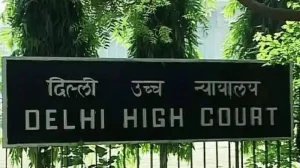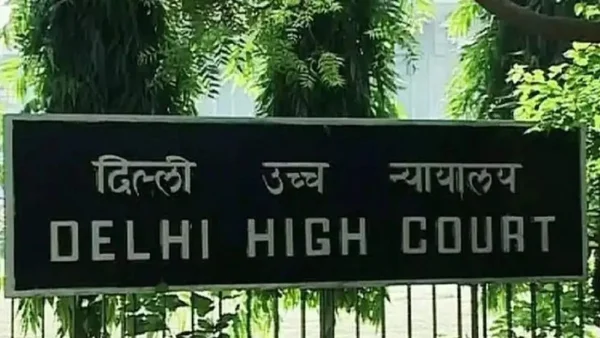
On Saturday, the Delhi High Court ended a request from Karti Chidambaram, a Congress Member of Parliament, to postpone the official charges in the ED’s money laundering trial regarding the alleged Chinese visa scam. The court said the request was ‘infructuous’ because the lower court had already officially charged people in the CBI’s related investigation.
Court ruling and immediate outcome
Justice Swarana Kanta Sharma ordered the request to be removed from the court’s schedule after Karti’s experienced lawyer told the court that the request was no longer relevant. Originally, Karti asked the court to tell the ED to pause their case until charges were made in the CBI case for the original crime. Because of that, the High Court ended the case.
Background of the Chinese visa allegations
The problems in these cases come from claims that 263 Chinese citizens were given visas wrongly in 2011. The government says this was connected to a power company, Talwandi Sabo Power Limited, and that bribes were used to help it happen. In October 2024 the CBI registered a First Information Report (FIR) and then a charge sheet which included Karti Chidambaram and others.
Parallel probes by CBI and ED
After considering the CBI’s FIR, the Enforcement Directorate started a money laundering case using the Prevention of Money Laundering Act. The ED and CBI are following separate legal paths, and the ED believes the trial for the original crime and the money laundering trial can go on at the same time. In their documents submitted to the court, the ED opposed Karti’s request to the High Court.
Arguments raised by Karti Chidambaram
Karti said the ED’s entire case rests on what happens with the original crime in the CBI investigation. He believes that if he is not charged or is found not guilty in that initial case, the money laundering prosecution can’t continue. He also said that to argue that no money from illegal activities was involved, he’d have to reveal information in the CBI case.
Trial court findings and charges framed
A lower court had already denied Karti’s attempt to delay arguments on the charges, and then went ahead and officially charged people in the CBI case. On December 23, 2025, Karti and six other people were charged with criminal conspiracy and corruption. The court said there was enough evidence to bring charges under Section 120B of the Indian Penal Code and Sections 8 and 9 of the Prevention of Corruption Act.
Legal and policy implications for PMLA prosecutions
This case shows the common legal problems in prosecutions under the Prevention of Money Laundering Act where finding and seizing assets and the crimes that started the process are related. Courts frequently decide if a money laundering prosecution can move forward without the original crime being dealt with, trying to balance stopping illegal money with a defendant’s right to create a combined defense. How this disagreement is solved could affect how similar trials in the future will be done.
Pending challenges and next steps
Karti does have another request with the High Court to challenge the corruption and conspiracy charges in the CBI case. The money laundering trial will continue in the lower court unless a higher court steps in and changes things. People following the case will be looking to the appeals courts for some guidance on coordinating investigations that overlap.
The court dismissing Karti’s request as pointless doesn’t settle the main accusations. It removes one step in the legal process, but leaves the larger arguments about the evidence, the original crimes, and how the CBI and ED cases are connected to be decided by the courts. The result of this will affect the standards for similar financial crimes investigations in the future.