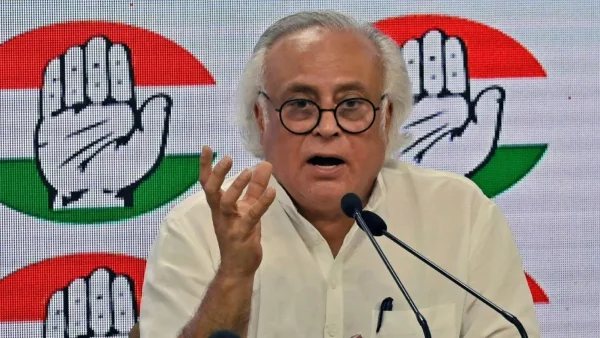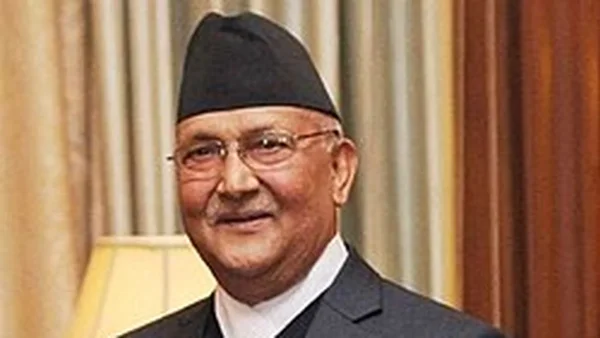
Kathmandu police have confirmed the arrests and said the law will be followed. A police spokesperson said both men were in custody by Saturday morning and will be questioned as usual, and may be charged with crimes.
The day before the new Prime Minister and his advisors were sworn in (after the first elections since the 1025 uprising that overthrew the previous government), these arrests took place. Officials say the arrests are part of acting on the commission’s recommendations and regaining the public’s trust.
The 2025 youth uprising and its human toll
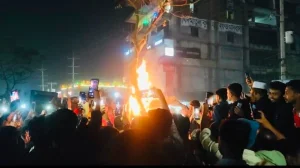
The trouble began on September 8th and 9th when a short ban on social media caused a lot of young people to protest against corruption. This started as a problem with technology, but it showed how much people were also angry about the poor economy and the government’s mistakes.
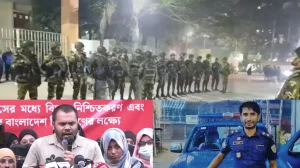
During those two days of unrest, at least 77 people died. The commission found that nineteen young protestors were killed on the first day when the police used force against them. The next day, protests happened all over the country, the Parliament and government buildings were burned down, the government fell apart and the Prime Minister resigned.
Commission findings and evidence summary
The government commission created a very long report (hundreds of pages) and gave the government thousands of pages of evidence. They interviewed over 200 people, including high ranking government officials, and collected a huge amount of evidence to help with future prosecutions.
The commission didn’t find any proof that a direct order to start shooting was given. However, they said the authorities didn’t do enough to stop the shooting or control it, and because of this carelessness, people died, including children. When 63 of the victims’ bodies were examined after their deaths, 48 were found to have been killed by bullets, and many of the bullets hit their chests or heads.
Political reactions and public statements
Sudan Gurung, the newly appointed Home Minister (and a well known leader of the protests), said the arrests are the beginning of justice and that everyone is equal under the law. He described the legal actions as holding people accountable, not getting revenge, and hopes the country will go in a new direction.
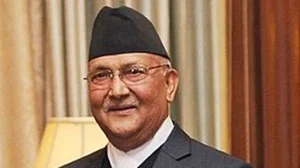
KP Sharma Oli says the arrests are for political reasons. He supposedly told his lawyers that the arrests are spiteful and he will fight them in court. Oli has always said he didn’t tell the police to fire at protestors, and when he tried and failed to get re-elected, he blamed people from outside the country for the violence.
Legal pathway and national implications
Prosecutors now have complicated questions about whether those in charge are responsible, and whether there was criminal carelessness. The commission’s finding that no one gave a definite order to shoot makes it harder to directly accuse anyone of intentionally causing someone’s death, but the findings of carelessness do give a legal way to bring charges about failing to stop the police from using unlawful force.
Aside from the legal issues, these arrests are very important for politics. They show how much people want accountability after a movement led by young people totally changed the political situation and led to a big change in the election results. These actions could test Nepal’s political systems as it tries to deal with a difficult period in its history and at the same time make the rule of law stronger.
As the legal process continues, investigators will use the commission’s report, the results of the autopsies, and statements from witnesses to build their cases. For a lot of the families of the people who died and the protestors who wanted change, the arrests are a first step towards being made right and might be a turning point in Nepal’s recovery after the uprising.