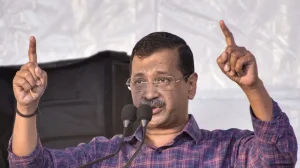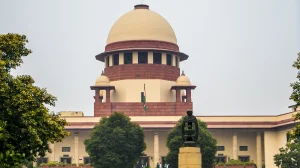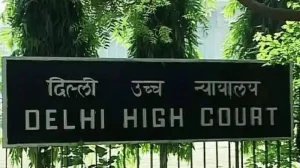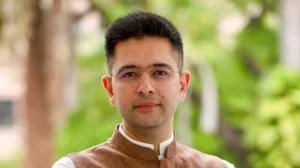
Arvind Kejriwal, who used to be chief minister of Delhi, has officially requested the chief justice of the Delhi High Court to move the liquor policy case away from Justice Swarana Kanta Sharma’s court. In a written statement, Kejriwal said he has a very serious, honest and reasonable fear that he won’t get a fair hearing if the case stays with the same judges.
Background of the excise policy prosecution
Kejriwal was arrested in June 2024 because of allegations relating to the liquor policy and was formally accused in July 2024. After many months of the case being heard, a special court gave a very detailed decision on February 27, 2026, saying Kejriwal, Manish Sisodia (the former deputy chief minister), Sanjay Singh (a member of the Rajya Sabha), and 21 others did not have to answer the charges.
The CBI has made a request to the court to review that decision. They want the court to think again about the special court’s ruling and this started things happening in the Delhi High Court in March 2026.
Reasoning behind the request to transfer the case
Kejriwal’s argument is that the CBI’s request to review the case didn’t point to anything specific about any of the accused, or to any mistakes in the evidence or how the court found things, that would give them the right to ask for a review. He says the CBI’s request seems to be a general complaint against the whole decision of the special court, not an attack on specific details of what happened in that court.
Kejriwal’s statement said that the initial, quick decision made at the first hearing in the High Court actually increased a reasonable fear that the judges would be biased. He wants the CBI’s request to review the decision to be given to a different group of judges, to make sure people have confidence in the courts being fair and neutral.
High Court’s initial steps and interim directions
At the hearing on March t9th, Justice Swarana Kanta Sharma’s court asked the CBI for a response and said it seemed that some of the special court’s findings were wrong. The High Court also temporarily stopped parts of the special court’s ruling that were about disciplinary action against the police officer investigating the case.
Kejriwal’s statement criticized those temporary directions because they didn’t give a clear reason for being so unusual. It pointed out that changing a decision to say someone doesn’t have to stand trial is something courts very rarely do and should only be done if there’s a clear finding that the first court broke the law or made a really obvious mistake.
Legal arguments on apparent bias and revisional jurisdiction
Kejriwal and the others in the case are saying that the High Court’s decision to give a lot of temporary relief at the very beginning, without hearing from the people who hadn’t been required to stand trial, goes against established rules about obvious bias. They also point out that the Enforcement Directorate wasn’t involved in the CBI’s request to review, but the temporary relief does affect the instructions to the investigating officer.
The lawyers for those accused emphasized that it’s very unusual for courts to make temporary changes to a decision to say someone doesn’t have to stand trial and that this should be backed up by a very specific and good reason. They asked the chief justice to make sure the hearing happens with the judges being completely separate from the case.
Implications for the trial and political context
If the chief justice agrees to the change, the CBI’s request to review the decision will go to a different group of judges. This could change when and how the hearings happen. Moving the case to a different group of judges is meant to reassure everyone involved and the public that the legal process is being followed fairly.
The liquor policy case is hugely important both in politics and the law. What happens in the case will affect not only what happens to those accused, but also how the public sees the idea of being held responsible and how the courts work.
Next steps and possible outcomes
The chief justice will read Kejriwal's request and decide if moving the case is needed in the interests of justice. If the current group of judges aren’t changed, the High Court will continue to look at the CBI’s request to review the decision, including whether the special court’s decision to say the accused didn’t have to stand trial was legal.
Both ways forward will involve a close look at the evidence and the legal rules for asking a higher court to review a decision. How the court deals with temporary relief and the question of obvious bias will likely affect how similar, important cases are handled in the future.